
World Court Says Israel Must Take Steps To Prevent Acts Of Genocide In Gaza
World Court Orders Israel to Prevent Genocide in Gaza: A Landmark Ruling with Profound Implications
The International Court of Justice (ICJ), the principal judicial organ of the United Nations, has issued a provisional ruling that compels Israel to take all measures within its power to prevent acts of genocide in the Gaza Strip. This landmark decision, handed down on January 26, 2024, in response to a case brought by South Africa, represents a significant legal and political development in the ongoing conflict. The Court’s order, while not explicitly finding that a genocide is currently occurring, establishes that Israel has plausible obligations under the Genocide Convention to prevent such acts and that these obligations are not being met. The ruling mandates that Israel must prevent genocidal acts, refrain from committing them, and ensure humanitarian aid reaches Gaza. It also requires Israel to report back to the Court within one month on the steps it has taken. This comprehensive article will delve into the legal basis of the ICJ’s ruling, its immediate and potential long-term implications for Israel, Palestine, and the international community, and the context of the ongoing conflict that led to this historic judgment.
The legal foundation for the ICJ’s provisional measures lies in the 1948 Convention on the Prevention and Punishment of the Crime of Genocide. South Africa, in its application, argued that Israel’s actions in Gaza, following the October 7th attacks by Hamas, constitute a violation of its obligations under this convention. The Genocide Convention defines genocide as acts committed with intent to destroy, in whole or in part, a national, ethnical, racial, or religious group. South Africa presented extensive evidence, including statements by Israeli officials, widespread destruction, and a high Palestinian death toll, to argue that Israel possesses the requisite intent to commit genocide. While the ICJ did not rule on the merits of the genocide claim itself at this preliminary stage, it found that the facts presented by South Africa were sufficient to establish a prima facie case, meaning there is enough evidence to suggest that plausible genocidal acts may have occurred and that the situation warrants urgent intervention to prevent further harm. This finding is crucial because it triggers the Court’s jurisdiction to order provisional measures to protect the rights of the parties and the subject matter of the dispute. The Court’s carefully worded order emphasizes the need for Israel to take "all measures within its power" to prevent genocidal acts, to ensure that the Israeli military does not commit such acts, and to prevent the destruction and ensure the provision of basic services and humanitarian assistance to the Palestinian population in Gaza.
The immediate implications of the ICJ’s ruling are far-reaching and multifaceted. For Israel, the order represents a severe blow to its international standing and a significant legal constraint. While the ICJ’s judgments are legally binding on states that are parties to the dispute, the Court does not have its own enforcement mechanism. Enforcement relies on the willingness of states and international bodies, particularly the UN Security Council. The ruling places immense pressure on Israel to alter its military conduct in Gaza, even if its stated objective is to dismantle Hamas. The obligation to prevent genocide is an absolute one, meaning that even in the context of self-defense, a state cannot commit genocidal acts. The ruling also compels Israel to facilitate the entry of humanitarian aid, which has been severely restricted and has contributed to a dire humanitarian crisis in Gaza. This opens the door for potential future legal accountability if Israel fails to comply with the Court’s order. Furthermore, the ruling significantly complicates Israel’s diplomatic efforts and could lead to increased international isolation, potentially fueling further sanctions or diplomatic pressure from countries that have so far remained hesitant. The requirement to report back to the Court on its actions will also subject Israel to ongoing international scrutiny.
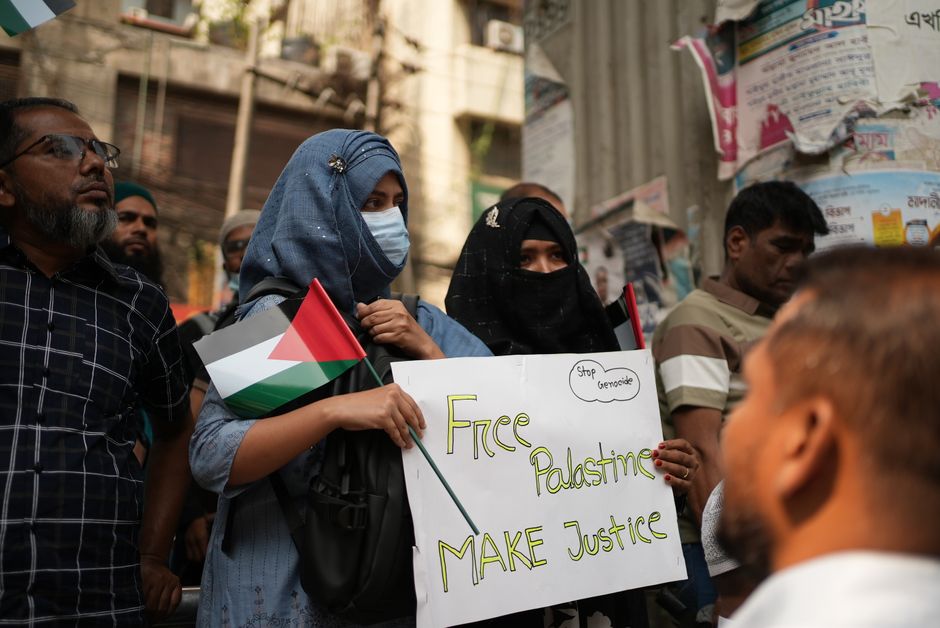
For Palestinians, the ICJ’s ruling offers a glimmer of hope and a vital affirmation of their rights under international law. It validates their claims of suffering and vulnerability in the face of overwhelming military force and the severe humanitarian crisis. The order to prevent genocidal acts, even if not a definitive finding of guilt, signals to the world that the allegations are credible enough to warrant urgent action. The obligation to facilitate humanitarian aid directly addresses the critical needs of the population facing starvation, disease, and displacement. While the ruling does not guarantee an immediate end to hostilities or a resolution to the broader conflict, it creates a legal framework and international pressure that could lead to a reduction in civilian casualties and a more humane approach to the conflict. The ruling can empower Palestinian advocacy efforts on the international stage and strengthen their position in any future peace negotiations.
The broader implications for the international community are also profound. The ICJ’s decision underscores the critical role of international law and institutions in upholding human rights and preventing mass atrocities. It demonstrates that even powerful states are not immune to legal scrutiny and accountability under international conventions. The ruling challenges the narrative of impunity that has often characterized conflicts in the region. It also raises questions about the effectiveness of the international community’s response to ongoing crises and the mechanisms available to ensure compliance with international law. The ruling could also set a precedent for future cases concerning allegations of genocide and other mass atrocities, strengthening the international legal order. However, the efficacy of the ruling will ultimately depend on the political will of states to enforce it, particularly within the UN Security Council, where geopolitical divisions have historically hindered decisive action.
The context leading to this ICJ ruling is critical. The current escalation of violence in Gaza began after Hamas’s October 7th attacks on Israel, which resulted in the deaths of approximately 1,200 people and the taking of around 240 hostages. Israel’s subsequent military response has been characterized by extensive aerial bombardments and a ground offensive that has devastated large areas of Gaza. The Palestinian death toll, according to the Gaza Ministry of Health, has exceeded 26,000, with a disproportionately high number of women and children. The destruction of infrastructure, the displacement of over 80% of Gaza’s population, and the dire humanitarian conditions, including widespread shortages of food, water, medicine, and shelter, have drawn widespread international condemnation and concerns about a potential humanitarian catastrophe. South Africa’s decision to bring the case to the ICJ was a response to these unfolding events, arguing that Israel’s actions crossed the line into genocidal intent and constituted a violation of its obligations under the Genocide Convention.
The legal arguments presented by both South Africa and Israel before the ICJ were complex and vigorously contested. South Africa’s legal team relied heavily on statements made by Israeli officials, including ministers and military commanders, which they argued demonstrated genocidal intent. They also presented evidence of the scale of destruction, the displacement of civilians, and the deliberate targeting of civilian infrastructure, which they contended were indicative of an intent to destroy the Palestinian group. Israel’s defense, on the other hand, argued that its military operations were aimed at self-defense and the destruction of Hamas, not the extermination of the Palestinian people. They asserted that civilian casualties were unavoidable in urban warfare and that Israel was taking measures to mitigate civilian harm. They also questioned the ICJ’s jurisdiction and the plausibility of the genocide allegations. The Court, in its preliminary assessment, found South Africa’s arguments to be sufficiently compelling to warrant the imposition of provisional measures.
The ruling on provisional measures by the ICJ is distinct from a final judgment on the merits of the genocide case. The Court will still need to examine the evidence and arguments further to determine whether Israel has indeed committed genocide. This process can take years. However, provisional measures are designed to preserve the rights of the parties and prevent irreparable harm while the case is pending. The Court’s explicit order to prevent genocidal acts and ensure humanitarian aid is a crucial step in this regard. The effectiveness of this order will be a litmus test for the international community’s commitment to the rule of law and its ability to hold states accountable for alleged violations of international law.
The debate surrounding the ICJ ruling is likely to intensify. Supporters of the ruling view it as a victory for international justice and a necessary step to protect civilian lives. Critics, particularly those who support Israel’s actions, may argue that the ruling is politically motivated and undermines Israel’s right to self-defense. The ruling will undoubtedly fuel further diplomatic engagement, legal challenges, and public discourse on the conflict and the principles of international law. The future trajectory of the conflict and the accountability of those involved will be closely monitored in the aftermath of this significant judicial intervention. The world court’s order to Israel to take steps to prevent acts of genocide in Gaza is a momentous development that reverberates across the global legal and political landscape, demanding careful consideration of its implications for international justice, human rights, and the future of conflict resolution.
