Climate Change and the Surge of Vibrio: How Warming Oceans Are Fueling a Public Health Crisis and Challenging the Shellfish Industry

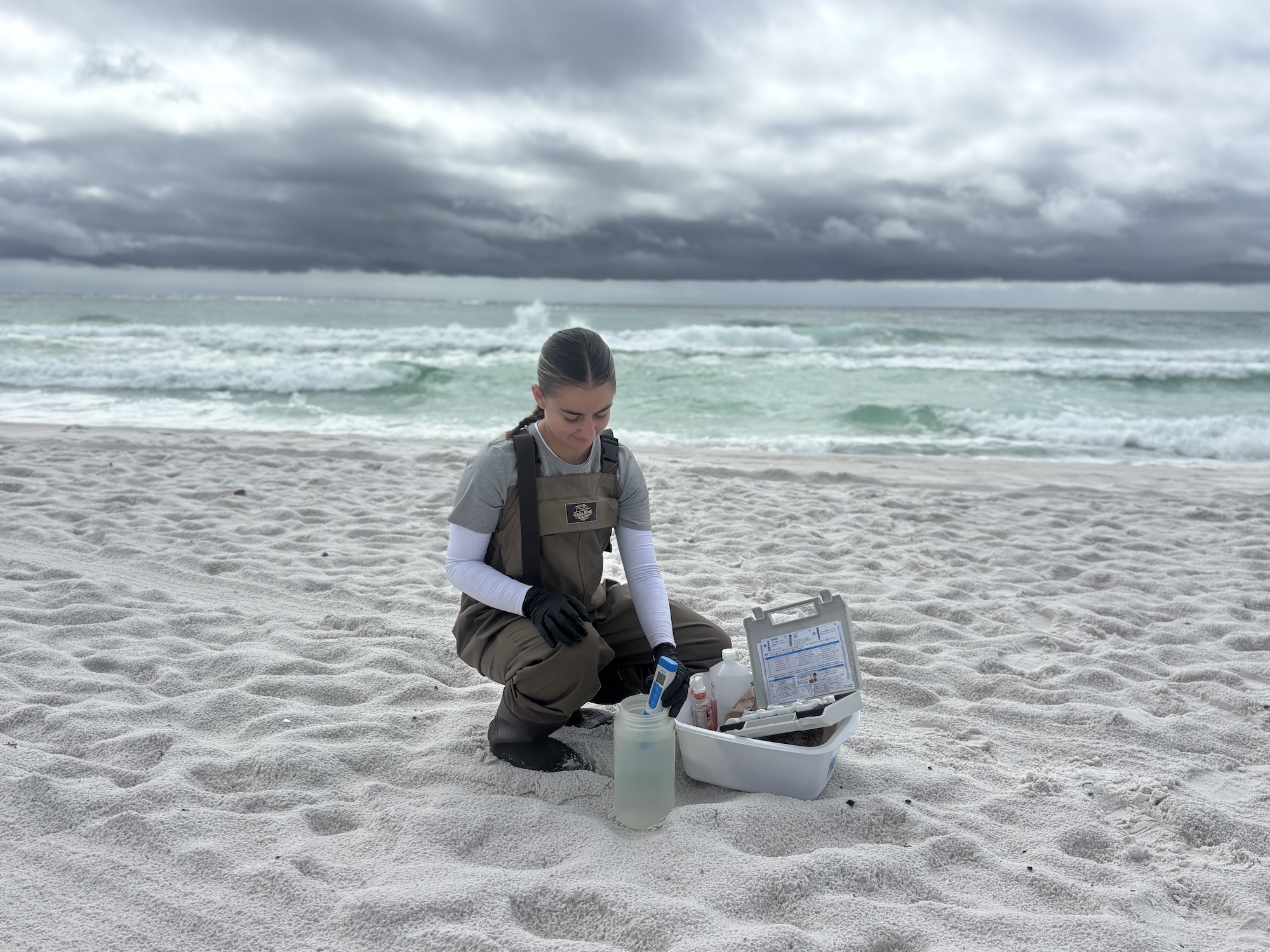
Bailey Magers and Sunil Kumar cut strange figures on Pensacola Beach last August, surrounded by bags of disinfectant solution on the white sand. Their gloved hands juggled test tubes while layers of rubber and plastic shielded their skin from the elements. As the two organized seawater samples on the popular Florida shoreline, an older woman wearing a swimsuit walked over to ask what they were doing. When they explained they were monitoring water quality, she asked a more pointed question: “Are you looking for that flesh-eating bacteria?” They admitted they were, hoping not to frighten her. As she walked away, Kumar noticed she had scrapes and bruises on her body. A few minutes later, he watched her step into the waves. He shook off a chill and returned to the task of cataloging a pathogen that is becoming an increasingly common feature of the American coastline.
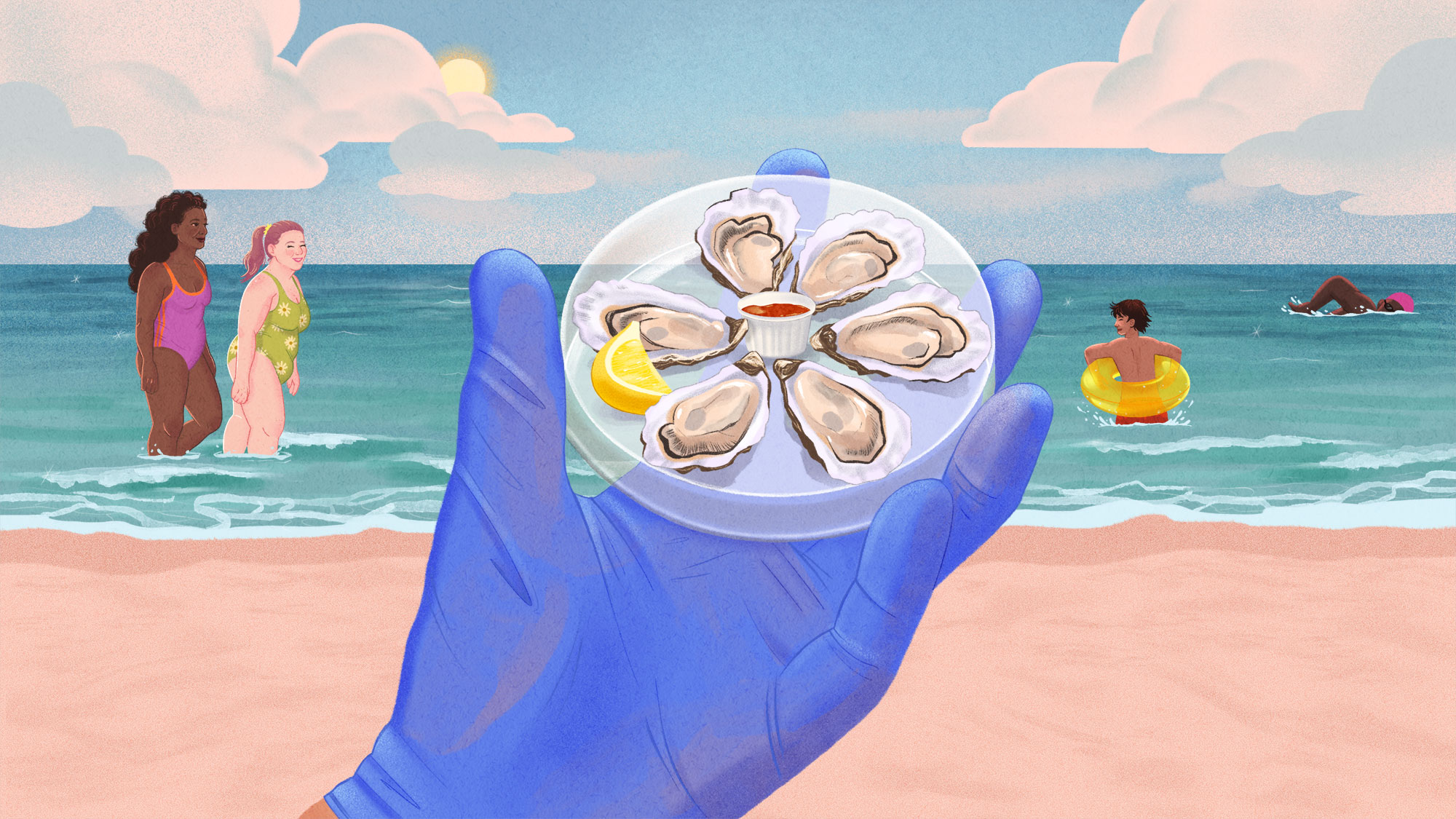
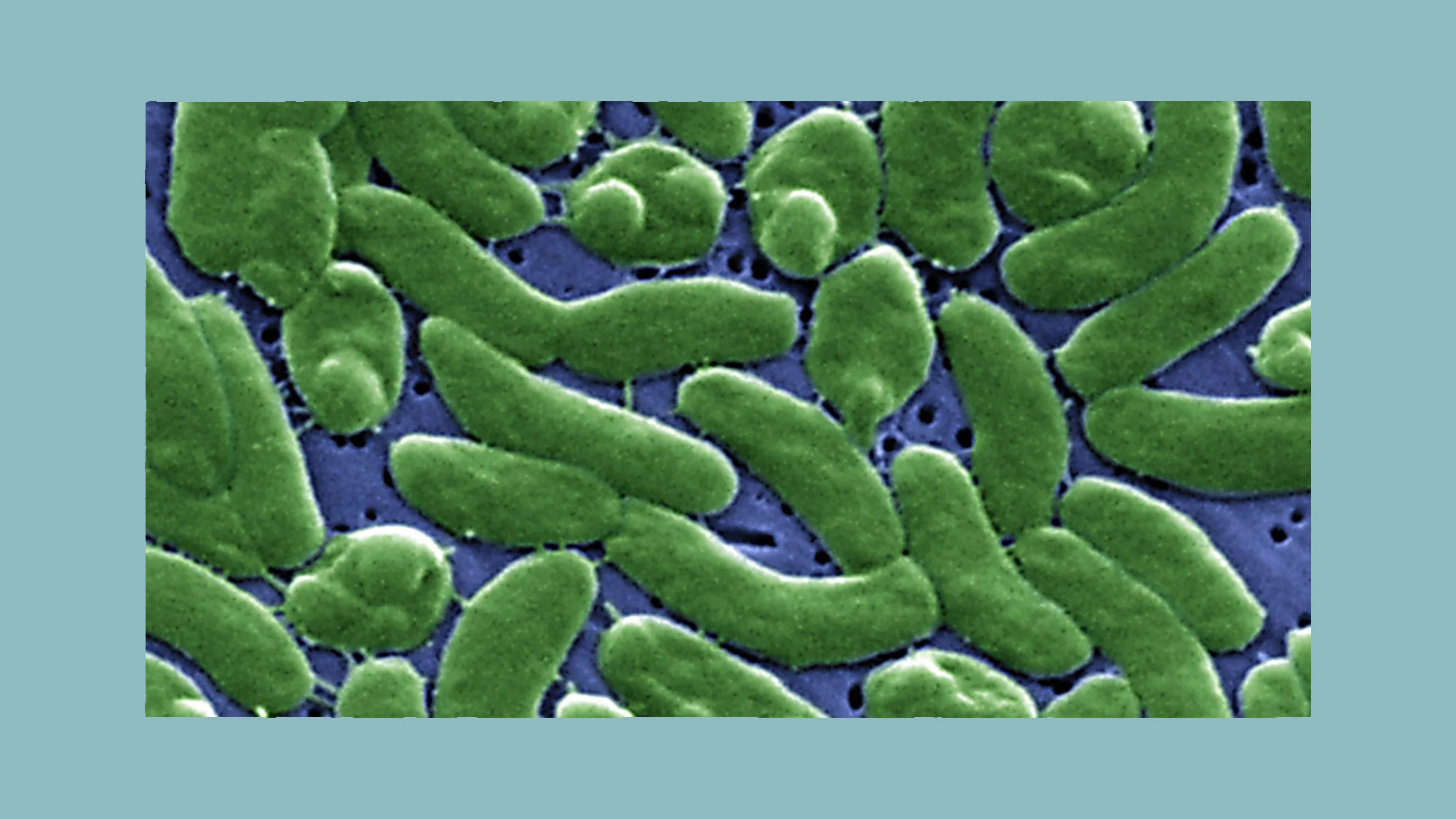
Magers and Kumar study Vibrio, a genus of ancient marine bacteria that likely emerged during the Paleozoic Era, hundreds of millions of years ago. At that time, shallow seas flooded interconnected supercontinents, creating temperate, freshly formed bodies of water where complex marine ecosystems thrived. Today, researchers estimate there are more than 70 Vibrio species. These organisms float in warm, brackish water, attaching themselves to plankton and algae and accumulating in water-filtering species like clams and oysters. While most species are harmless, a small number can sicken or even kill humans with terrifying speed.
The Biological Mechanism of a Lethal Pathogen
The most dangerous of these species is Vibrio vulnificus, often referred to by the medical term for its effects: necrotizing fasciitis. The Latin name vulnificus translates literally to “wound-making.” This pathogen is so potent it can enter the bloodstream through a cut as small as a pinhole. Once inside, it can lead to death in as little as 24 hours. Without immediate intervention via powerful antibiotics, the flesh on extremities begins to bruise, swell, and decay. Septic shock often follows, leading to organ failure.
While anyone can become infected, the risk is significantly higher for those with liver disease, diabetes, or compromised immune systems, as well as the elderly. The Centers for Disease Control and Prevention (CDC) estimates that roughly 80,000 cases of vibriosis occur in the United States annually, resulting in approximately 100 deaths. The majority of these illnesses are caused by Vibrio parahaemolyticus, which typically results in standard food poisoning. However, V. vulnificus is responsible for the vast majority of fatalities. It carries a staggering mortality rate of 15 to 50 percent, depending on the route of infection and the patient’s underlying health.
The Climate Connection: Warming Oceans and Shifting Salinity
The primary driver behind the expansion of Vibrio is climate change. The world’s oceans have absorbed more than 90 percent of the excess heat trapped by greenhouse gas emissions, creating an environment increasingly hospitable to these bacteria. Scientific research has established that water temperature and salinity are the two most accurate predictors of Vibrio concentration.
The bacteria become active once water temperatures exceed 60 degrees Fahrenheit and multiply rapidly as coastal waters warm throughout the summer. In recent years, scientists have documented Vibrio moving into territories once considered too cold for the species. It has pushed as far north as Maine on the U.S. East Coast and has appeared with increasing frequency in the Baltic Sea in Europe. In Maryland, researchers who once saw Vibrio disappear by mid-October now find the bacteria present almost year-round.
A 2023 study analyzing 30 years of infection data along the U.S. Gulf and Atlantic coasts found that the northern boundary of V. vulnificus infections has shifted northward at a rate of approximately 30 miles per year since 1998. Projections suggest that these infections may soon encompass major population centers around New York City, with annual case numbers potentially doubling as the climate warms and the American population ages.
A Chronology of Recent Outbreaks and Extreme Weather
The late 2010s marked a turning point in the behavior of Vibrio vulnificus. Public health officials began reporting "unusual increases" in prevalence, often linked to extreme weather events.
- July 2014: A heatwave in Europe’s Baltic Sea led to a spike in Vibrio infections, serving as a "barometer" for ocean heatwaves and sea-surface warming patterns.
- 2022: Following Hurricane Ian, Florida’s public health department reported 17 deaths linked to V. vulnificus as storm surges pushed brackish water into inland areas.
- Summer 2023: A record-breaking heatwave saw clusters of infections in North Carolina, New York, and Connecticut, regions previously considered low-risk.
- 2024: Hurricanes Helene and Milton again pushed Vibrio-laden waters into residential areas, resulting in 19 confirmed deaths in Florida.
The correlation between hurricanes and Vibrio is particularly concerning. Storm surges not only transport the bacteria further inland but also churn up sediments where the bacteria may be dormant, creating a "perfect storm" for human exposure during cleanup and recovery efforts.
The Economic Conflict: Public Health vs. the Seafood Industry
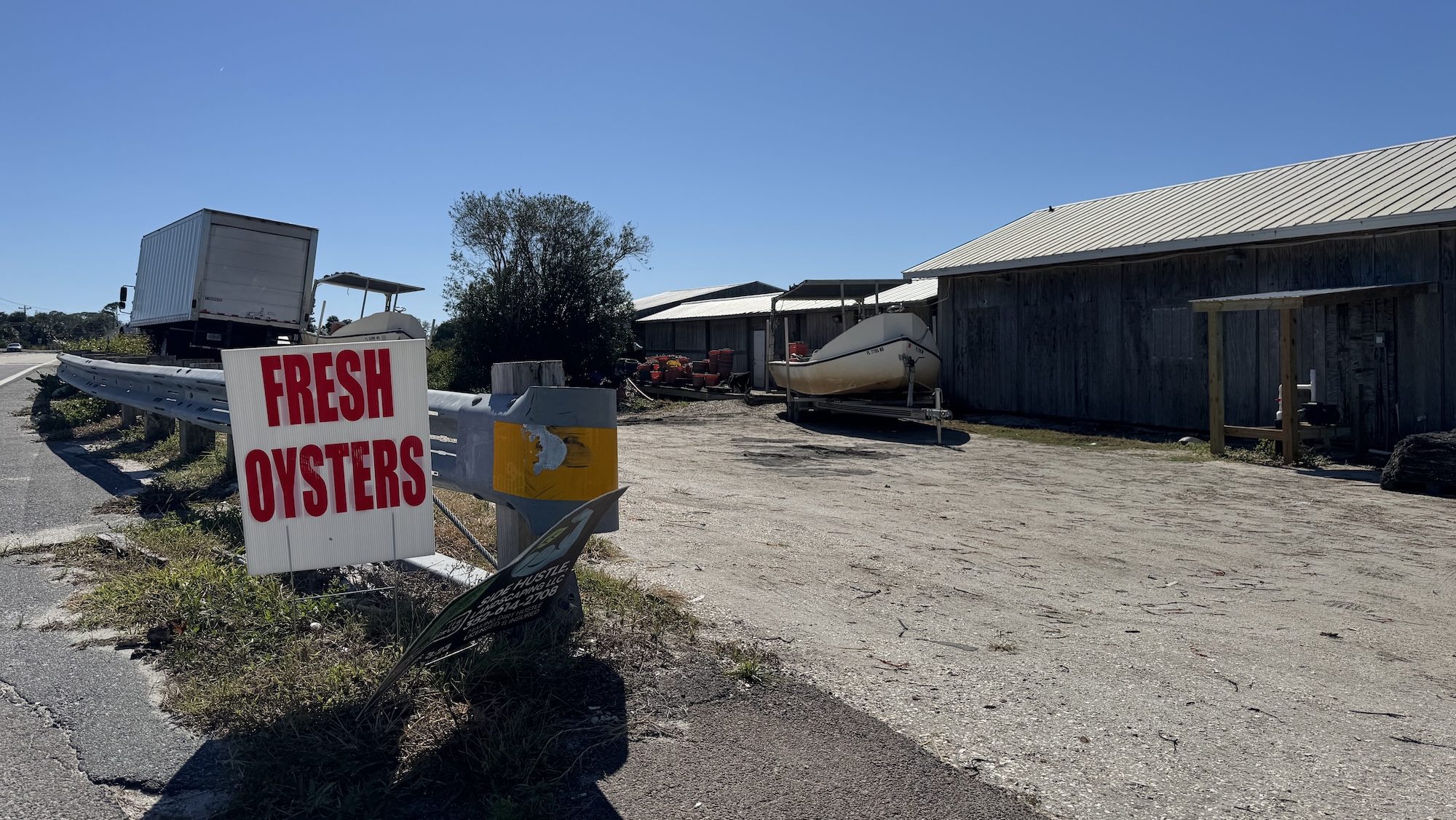
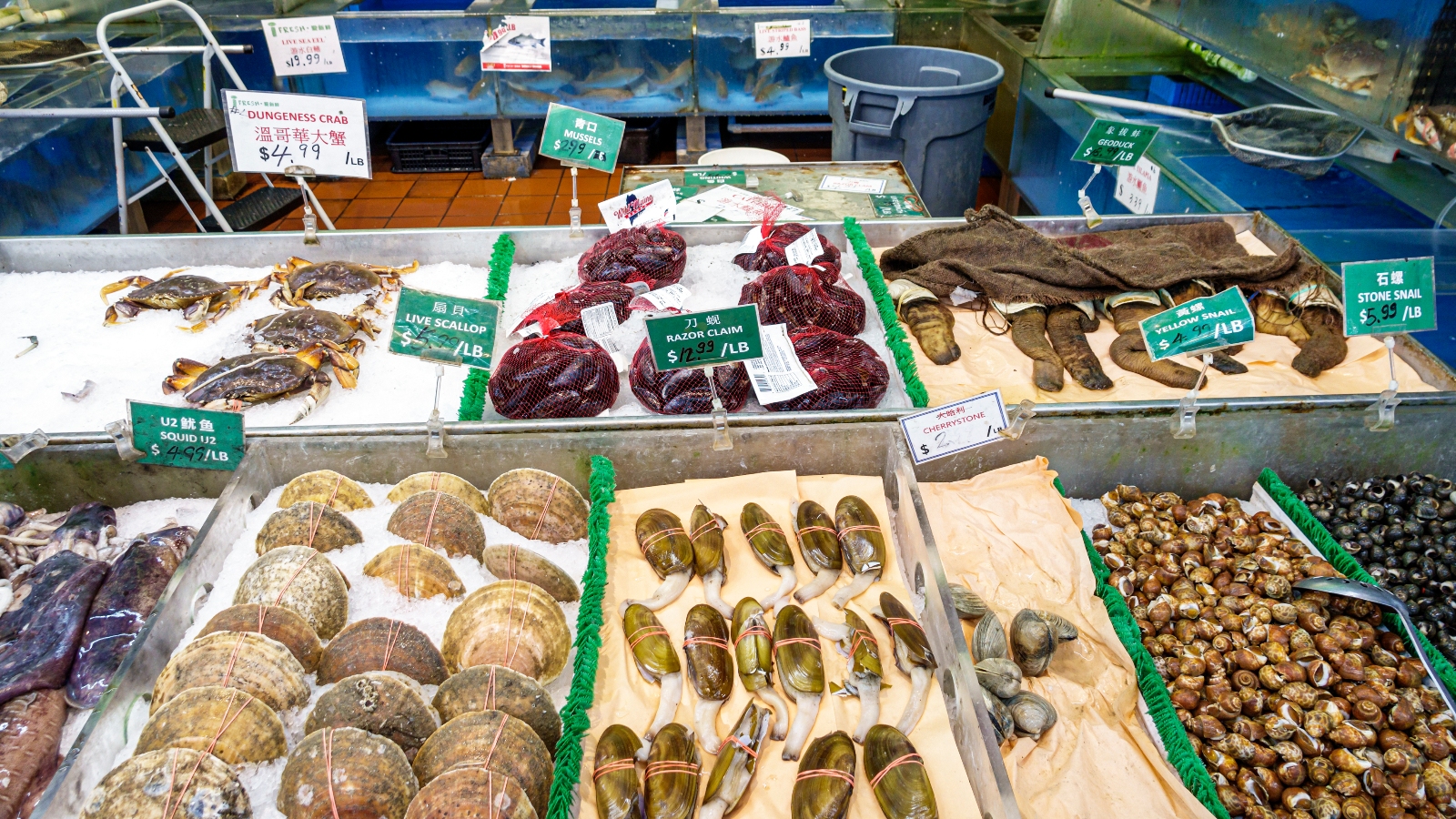
The rise of Vibrio has created a rift between public health researchers and the multi-billion-dollar shellfish industry. For oyster and clam farmers, the term "flesh-eating bacteria" is a marketing nightmare. Industry representatives argue that media coverage is often sensationalized and fails to mention how rare the bacteria actually are compared to other pathogens like Salmonella or E. coli.
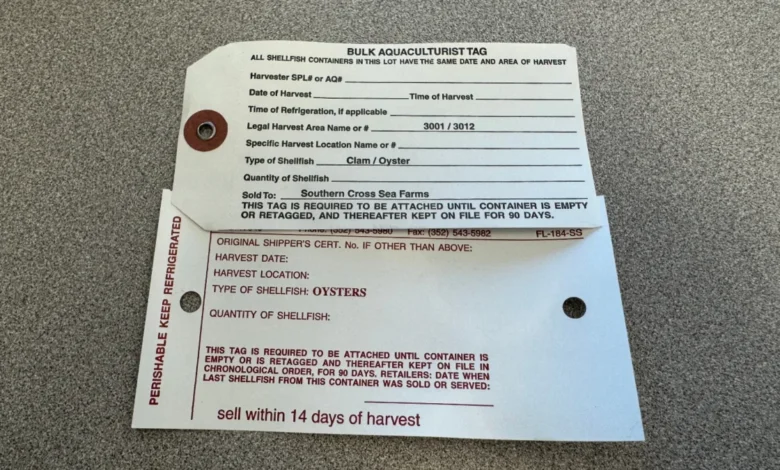
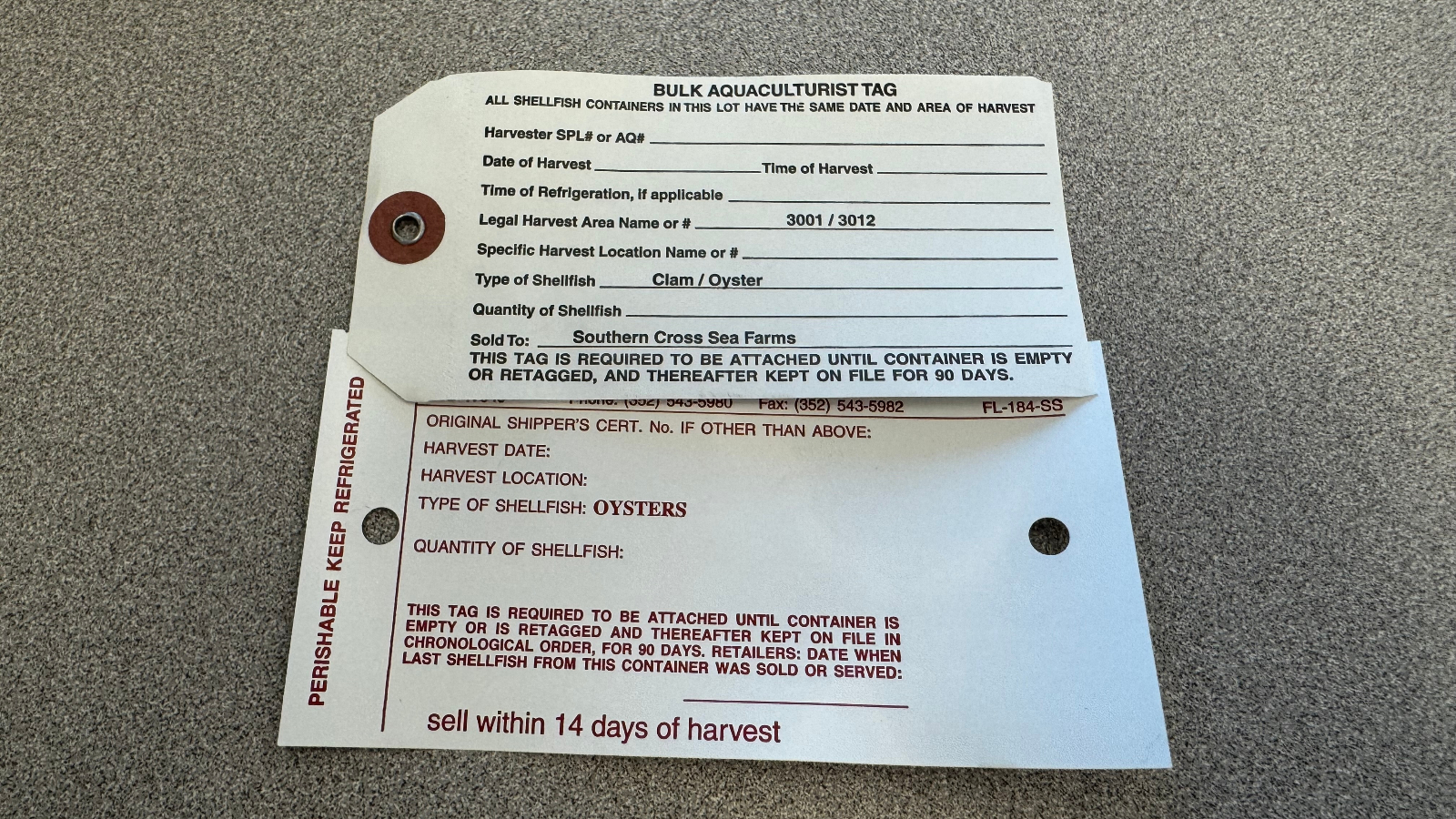
Paul McCormick, an oyster farmer on Long Island who sells 750,000 oysters annually, suggests that even positive press can be damaging by associating the product with the pathogen. In response to the threat, states have implemented strict "Vibrio control plans." These regulations require harvesters to rapidly cool their catch and move it to refrigeration within a specific number of hours—sometimes as little as two hours during peak summer months.
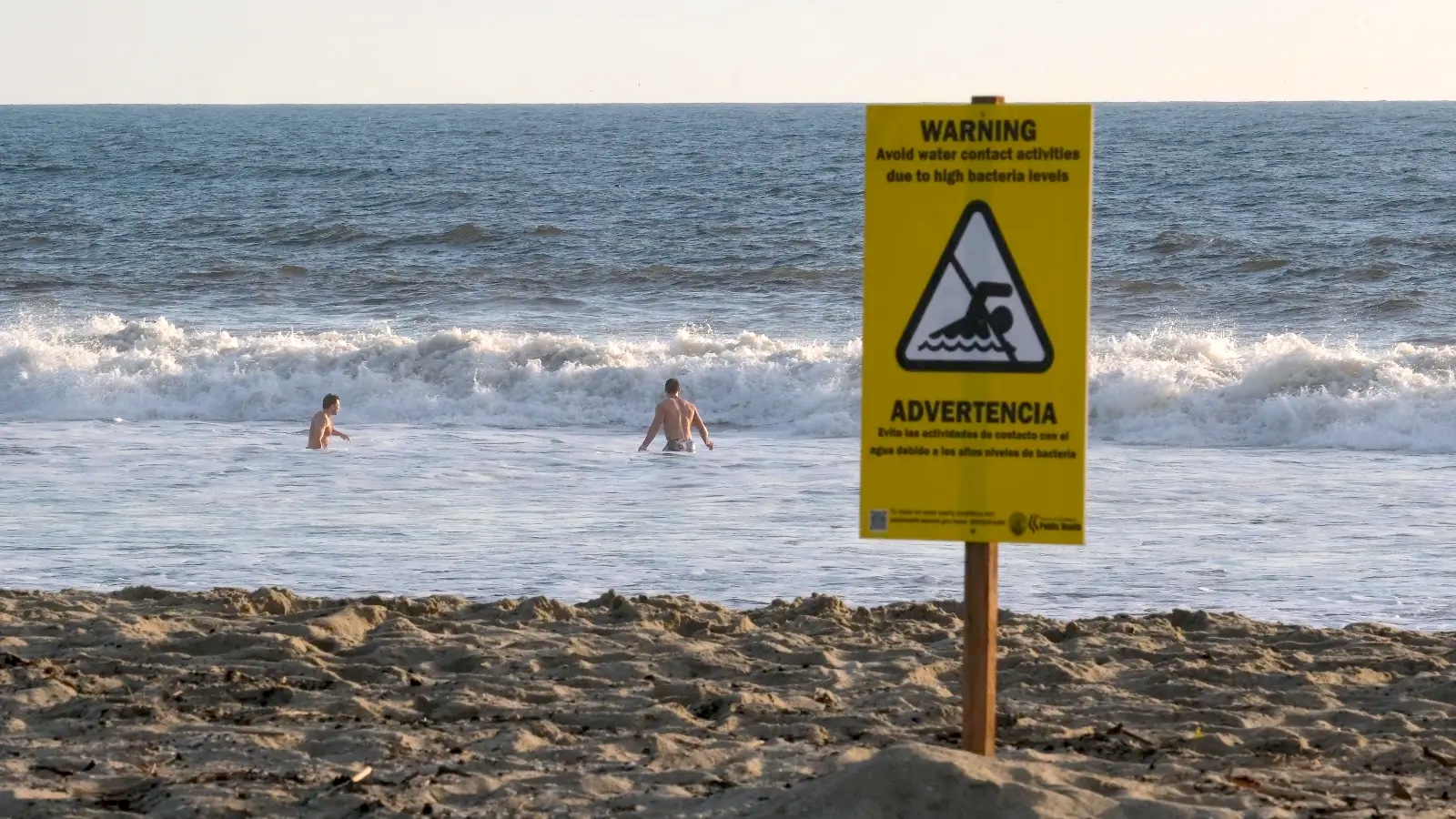
However, industry experts like Leslie Sturmer, a researcher for the University of Florida’s shellfish aquaculture program, argue that "the person is the risk," not the bacteria. They emphasize that consumers with underlying health conditions should take personal responsibility by avoiding raw shellfish. While beaches often remain open even when Vibrio is detected in the water, a single foodborne outbreak can lead to the immediate closure of harvesting areas and massive product recalls, eroding consumer confidence and devastating local economies.
Developing an Early Warning System
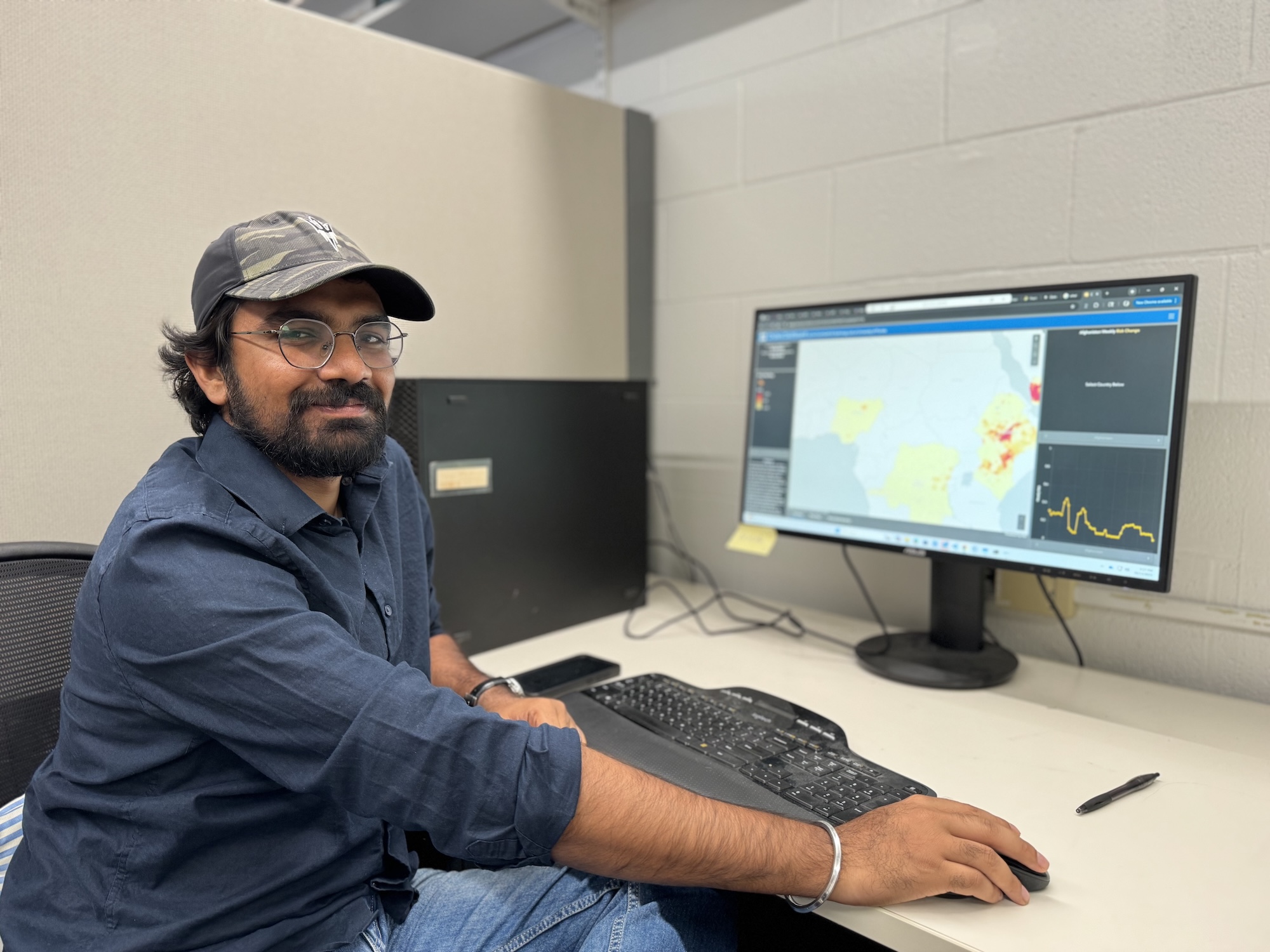
To bridge the gap between economic stability and public safety, researchers at the University of Florida and the University of Maryland are developing a predictive modeling tool. This computer model aims to provide an early warning system for the eastern United States, alerting health departments to high Vibrio concentrations a month in advance.
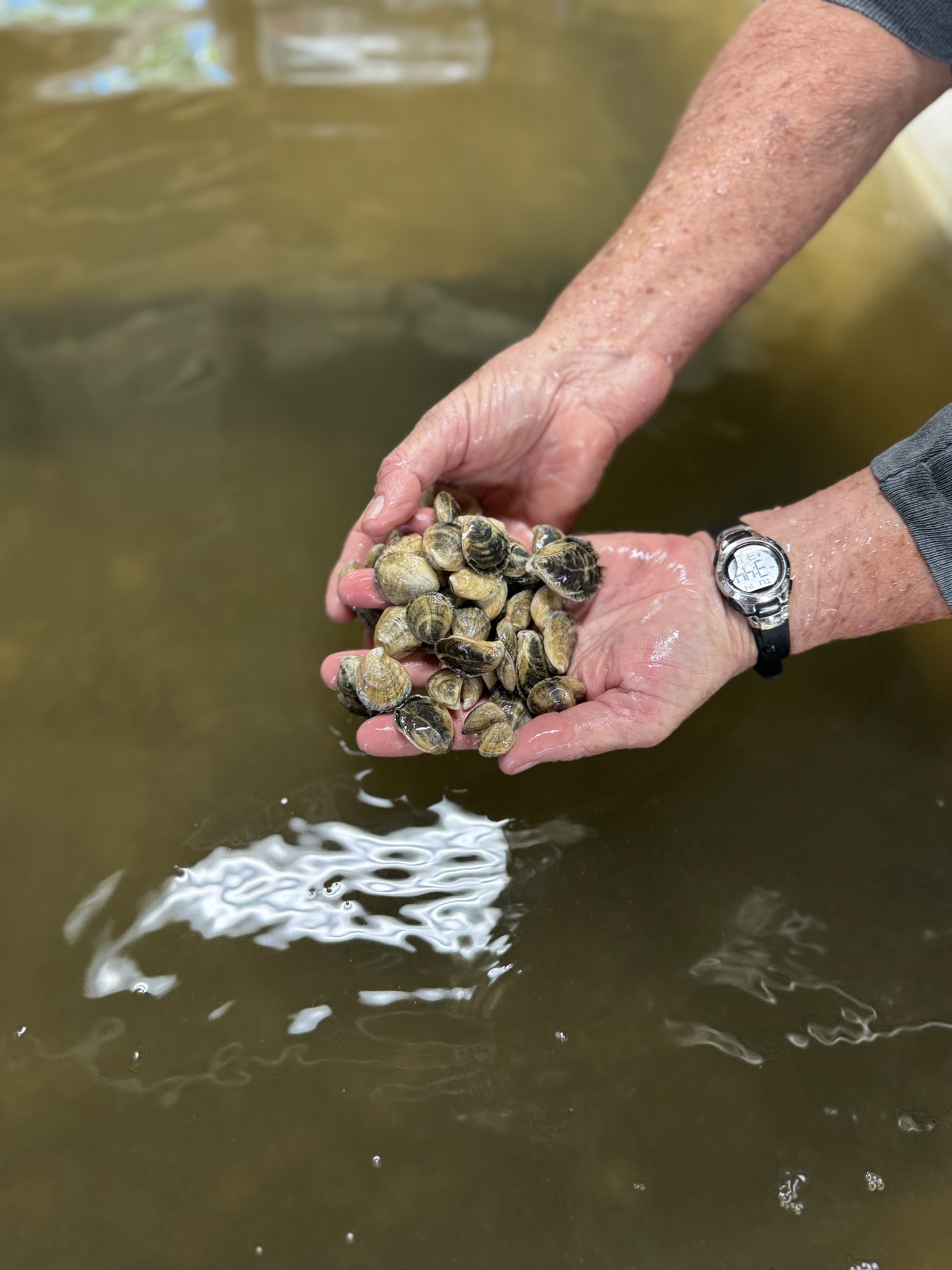
The team trained the model by pairing decades of CDC infection data with satellite measurements of water temperature and salinity. The results have been promising:
- The model has shown 99 percent precision in identifying low-risk counties, allowing for targeted rather than blanket warnings.
- In a test run of Florida data from 2020 to 2024, the model correctly identified the counties where 72 percent of total cases occurred.
- Crucially, during the 2024 hurricane season, the model flagged over 80 percent of the high-risk areas before the surge in infections began.
This system could eventually supplement the current "rolling five-year average" used by the industry to set refrigeration timetables. Currently, these averages fail to account for sudden, extreme temperature anomalies—such as an 80-degree week in February—leaving a gap in the regulatory framework that the new model could fill.
Implications for the Future of Coastal Life
As we move deeper into the 21st century, the overlap between marine ecology and public health will only intensify. If current greenhouse gas emission trends continue, the environmental conditions for Vibrio outbreaks will become a permanent summer fixture for most East Coast communities by 2050.
The challenge for the future is not just scientific, but communicative. While the shellfish industry fears that risk modeling will be "used against them," researchers like Magers and Kumar argue that such tools are essential for saving lives and limbs. The goal is to move from a reactive stance—treating infections after they occur—to a proactive one, where hospitals can prepare for an uptick in cases and beachgoers are better informed of the risks lurking in the surf.
In the long term, the very nature of these models may have to change. Magers notes that in 30 to 100 years, the risk may become so consistently high that predictive modeling becomes redundant. At that point, the focus will shift entirely to managing case numbers in a world where the "flesh-eating" bacteria has become a standard, rather than an exceptional, part of the coastal experience. For now, the work continues on the white sands of Florida, one test tube at a time, as scientists race to understand a prehistoric survivor that is finding new life in a warming world.
Related posts: