Art World Debates Emerge Over MoMA PS1 Greater New York Survey and US Venice Biennale Pavilion Representation

The contemporary art landscape is currently navigating a period of intense self-reflection, as evidenced by the convergence of major institutional surveys, political controversies surrounding international exhibitions, and significant reevaluations of historical masterpieces. At the center of this discourse is MoMA PS1’s "Greater New York," a quinquennial exhibition that serves as a barometer for the city’s creative pulse, and a developing controversy involving the United States pavilion at the Venice Biennale. These events, alongside major curatorial efforts at the Rijksmuseum in Amsterdam, highlight the ongoing tension between artistic expression, political institutionalism, and the evolving interpretation of the classical canon.
The Quinquennial Pulse: MoMA PS1’s Greater New York
MoMA PS1 has launched its latest iteration of "Greater New York," a massive survey that occurs only once every five years. Since its inception in 2000, the exhibition has been a critical platform for emerging and mid-career artists living and working in the New York metropolitan area. The current edition arrives at a time of significant socio-political transition, reflecting a city that is simultaneously recovering from global upheaval and grappling with internal shifts in its cultural identity.

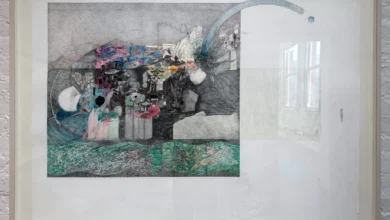
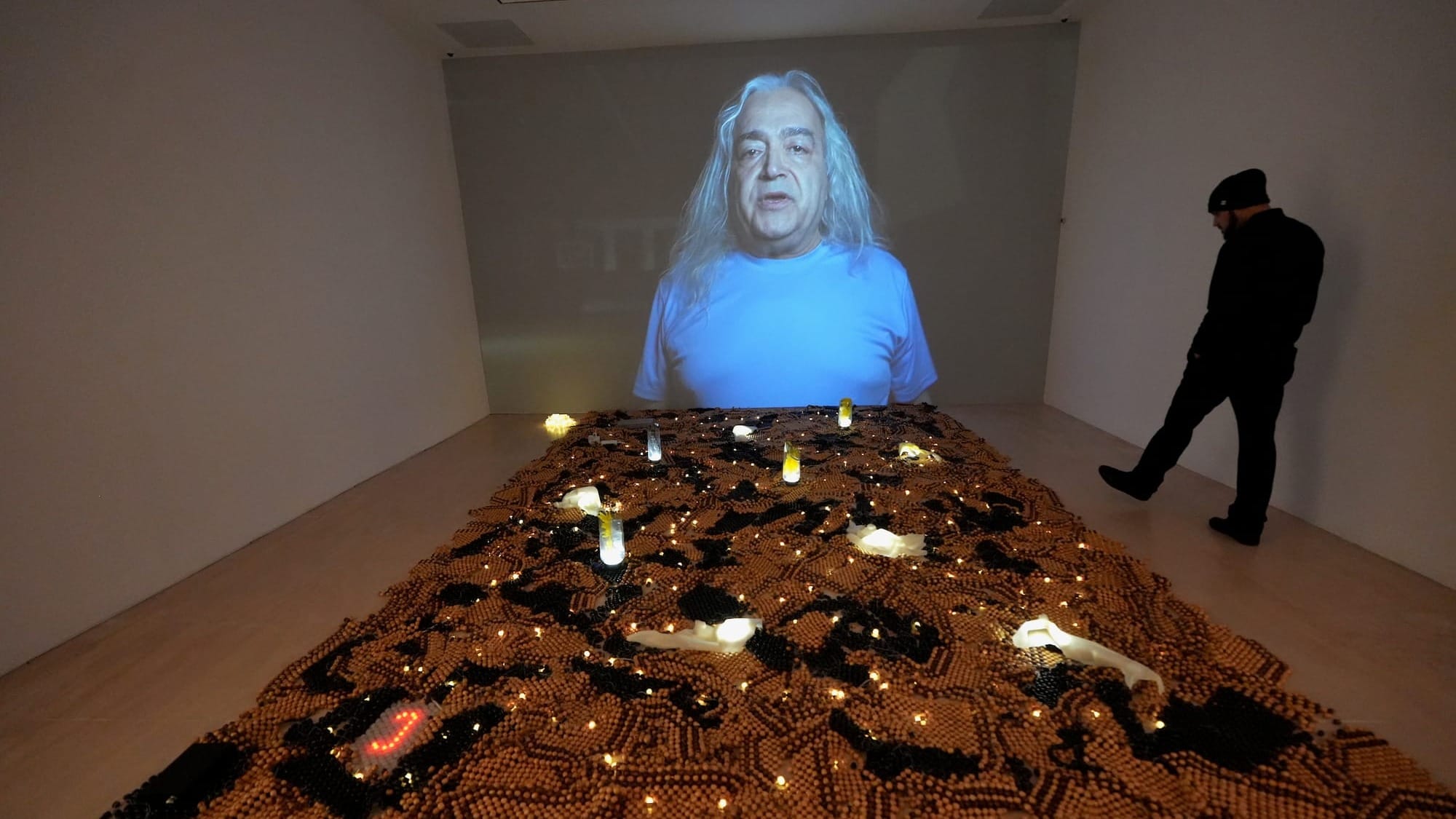
The 2026 iteration of the survey has elicited a complex range of critical responses, ranging from profound admiration to deep-seated ambivalence. Critics and editors from Hyperallergic, including Hakim Bishara and Hrag Vartanian, have noted that the sheer scale of the exhibition often leads to a fragmented viewing experience. Among the standout works is Kenneth Tam’s “I’M STAYING HOPEFUL AND STRONG (For Bilal and Salah)” (2026), a piece that exemplifies the exhibition’s focus on personal narrative and the intersection of identity and resilience.
The history of "Greater New York" suggests that the artists included in this survey often see a significant shift in their career trajectories. Past editions have featured artists who went on to become household names in the contemporary art world, such as Cecily Brown and Rashid Johnson. However, the 2026 show is being scrutinized for how it handles the "local" label in an increasingly globalized and digital art market. The curatorial team faces the perennial challenge of balancing the inclusion of established figures with the discovery of truly "under-the-radar" talent.
Political Strains on the International Stage: The Venice Biennale
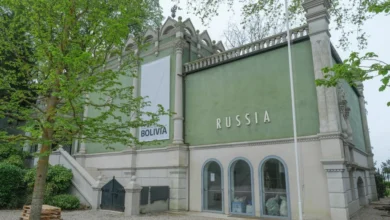
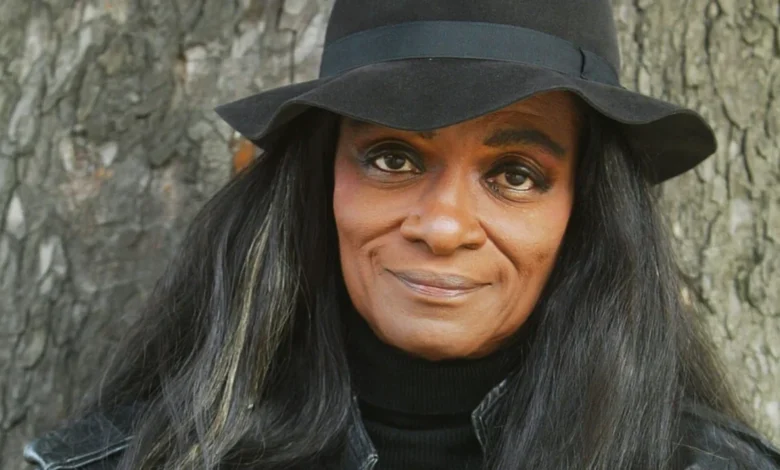
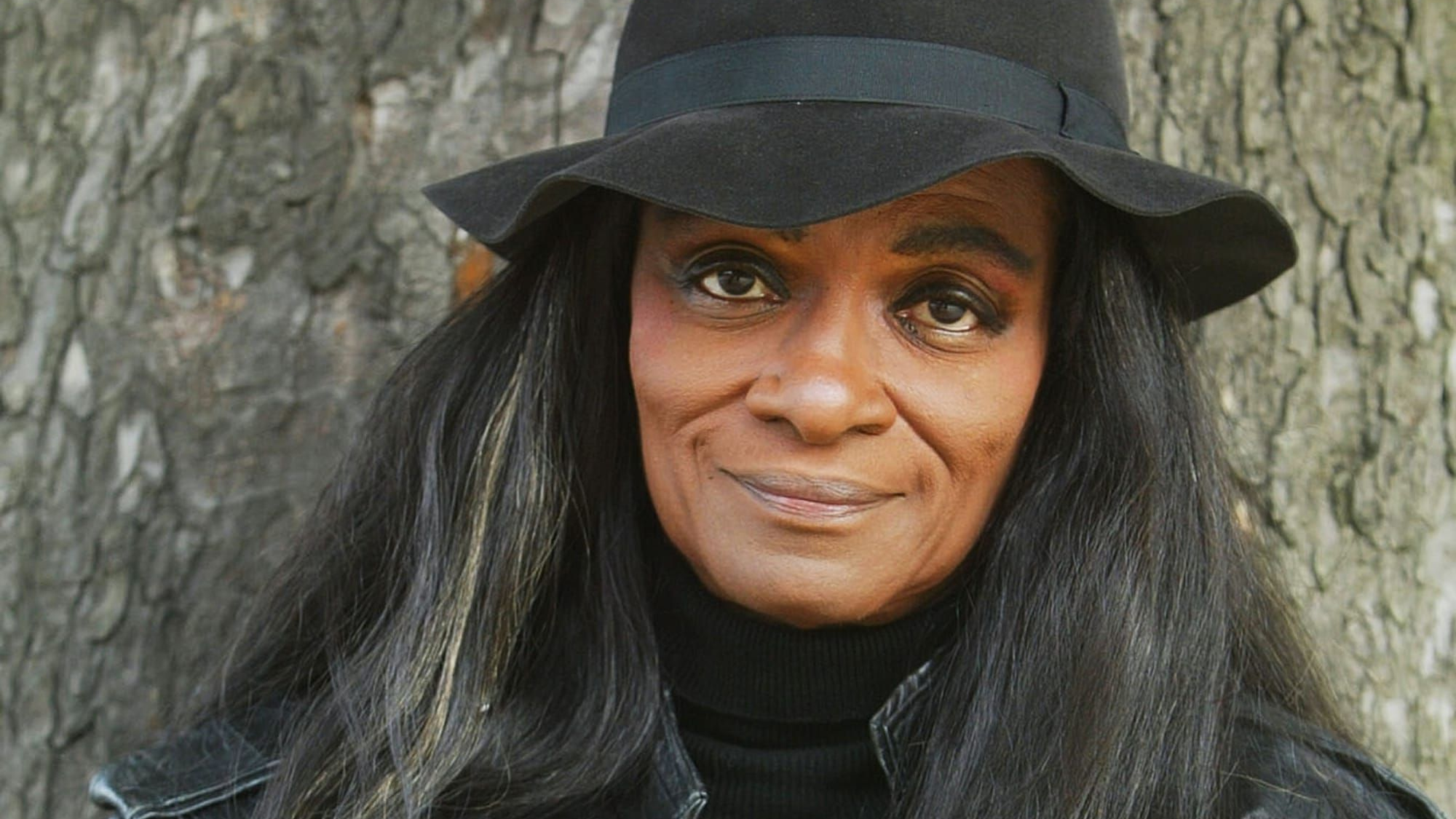
While MoMA PS1 looks inward at New York, the American art world is also looking outward toward Venice, where the upcoming Biennale is already mired in political debate. Renowned American-French sculptor Barbara Chase-Riboud recently made headlines by declining an invitation to represent the United States at the Venice Biennale. Her decision highlights growing concerns regarding the transparency and political affiliations of the entities responsible for commissioning the U.S. Pavilion.
The commissioning process for the U.S. Pavilion is traditionally managed by the State Department’s Bureau of Educational and Cultural Affairs, which often partners with a selected museum to organize the exhibition. Chase-Riboud’s refusal stems from what has been described as a "murky" environment surrounding the current commissioning entity, which critics argue has become increasingly aligned with political ideologies that may conflict with the creative freedom of the artist.
This is not the first time the U.S. Pavilion has faced scrutiny. Historically, the selection process has been a point of contention, reflecting the broader political climate of Washington D.C. During the Cold War, for instance, the pavilion was often used as a tool of soft power and cultural diplomacy. In the current era, the scrutiny has intensified as artists become more vocal about the ethics of institutional funding and the political implications of government-sponsored representation. Chase-Riboud’s stance is seen as a landmark moment of artistic resistance, signaling a potential shift in how high-profile artists engage with state-sanctioned exhibitions.
Reinterpreting the Classics: Ovid and Rembrandt at the Rijksmuseum
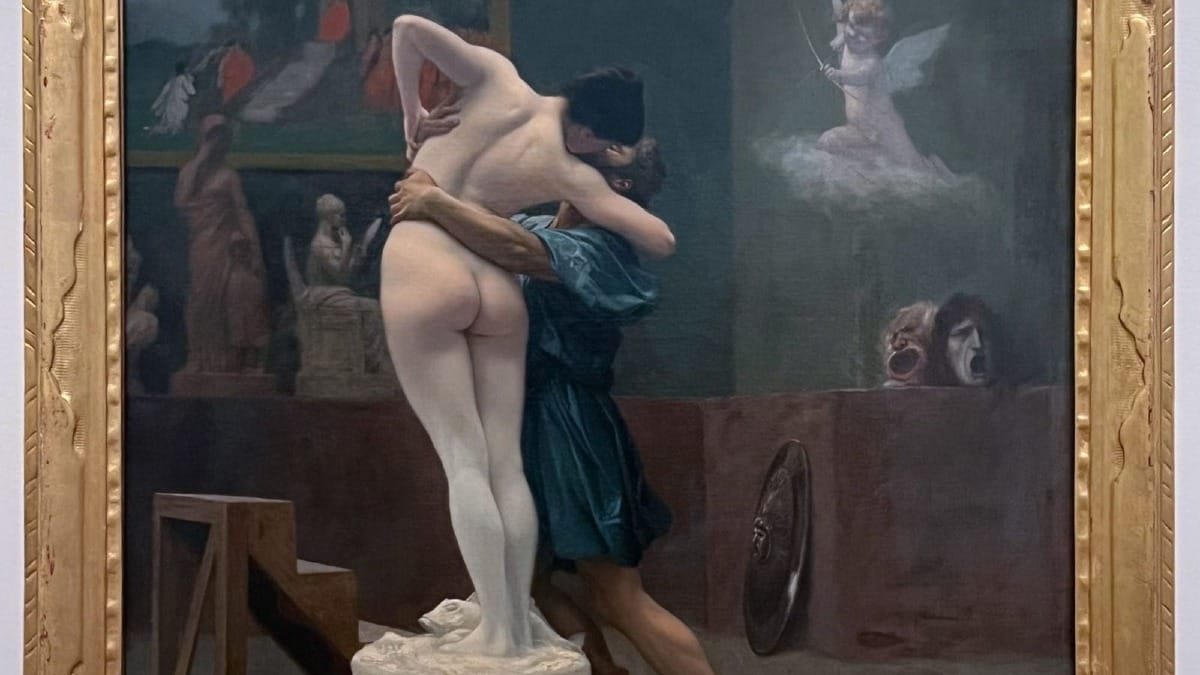
In Europe, the Rijksmuseum is taking a different approach to cultural discourse by revisiting the foundations of Western art and literature. The museum’s latest blockbuster exhibition focuses on Ovid’s Metamorphoses, a work that has influenced artists for two millennia. The exhibition features iconic works such as Jean-Léon Gérôme’s “Pygmalion and Galatea” (1890–92), using them as a springboard to discuss modern concepts of transformation.
However, the exhibition has drawn criticism for its perceived inability to fully engage with the contemporary implications of Ovid’s narratives. Critics argue that while the museum successfully presents the aesthetic grandeur of these works, it hesitates to provide definitive answers to pressing questions about gender, sexuality, and the power dynamics inherent in the stories of transformation. This tension reflects a broader challenge for major museums: how to present historical "masterpieces" that contain themes—such as non-consensual transformation or problematic gender roles—that are increasingly viewed through a critical modern lens.
Simultaneously, the Rijksmuseum has celebrated a major victory in the field of art history with the display of a "long-lost" Rembrandt. The painting, titled “The Vision of Zechariah in the Temple” (1633), was previously misattributed to one of the Dutch Master’s pupils. After being held in a private collection for over sixty years, the work underwent rigorous technical analysis and connoisseurship, leading to its reattribution as an authentic Rembrandt.
The process of reattribution is a meticulous one, often involving X-ray fluorescence (XRF) scanning, infrared reflectography, and pigment analysis. In the case of "The Vision of Zechariah," the discovery of characteristic brushwork and a specific preparatory ground layer convinced experts that the work was indeed by Rembrandt’s own hand. This find adds a significant chapter to the study of Rembrandt’s early career in Amsterdam, providing new insights into his development of dramatic lighting and theological subject matter.
Modernist Legacies and Community Engagement
The preservation of artistic legacy is also taking a digital turn with the launch of the Marsden Hartley Legacy Project. This initiative has made the first comprehensive catalogue of artworks by the acclaimed modernist painter Marsden Hartley freely available online. Hartley, a central figure in American Modernism known for his expressive landscapes and portraits, has long been a subject of scholarly interest. The digitization of his catalogue raisonné represents a major step forward in democratizing access to art historical research, allowing students, scholars, and the public to explore his body of work without the barriers of expensive physical volumes or restricted archival access.
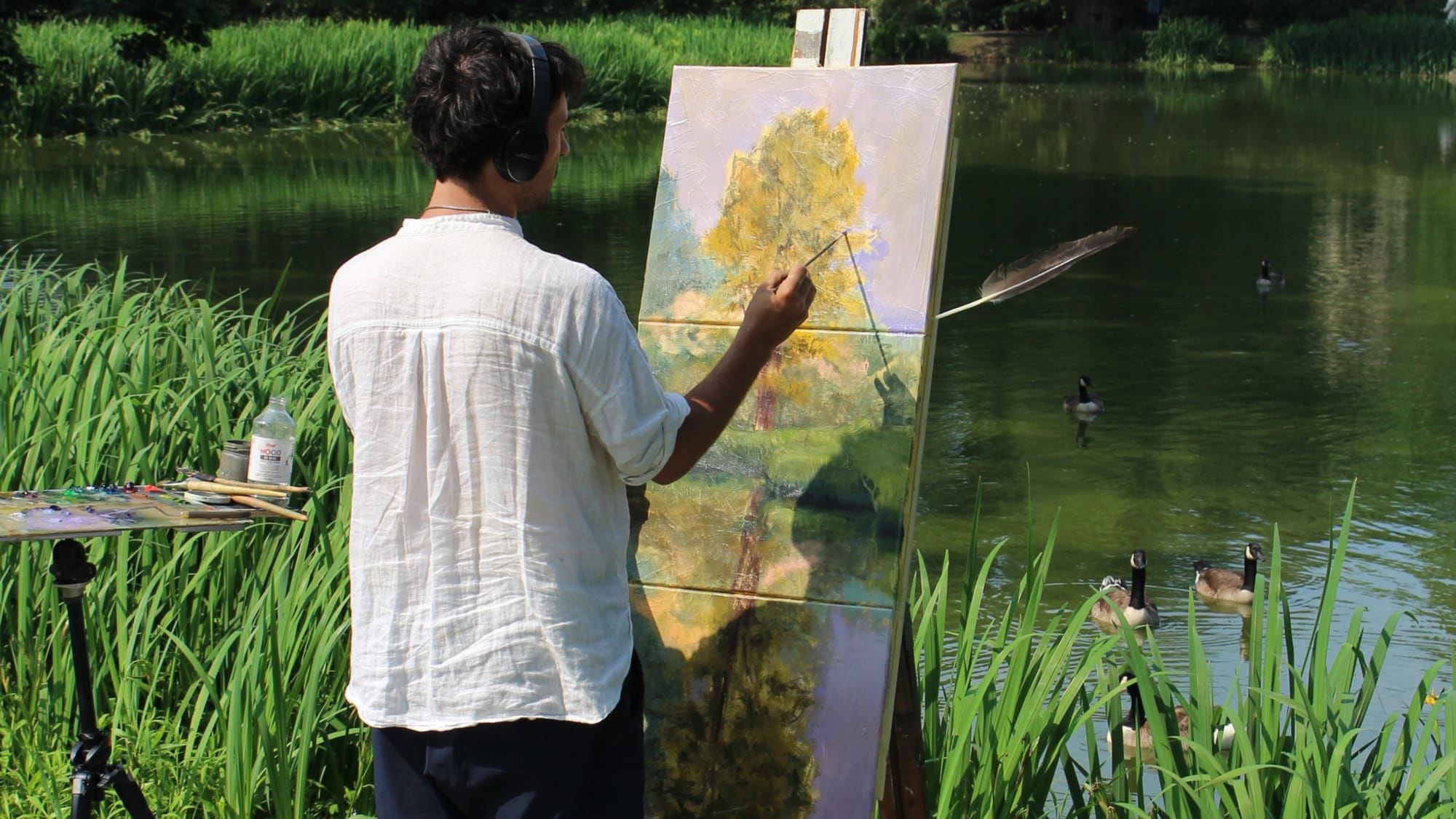
Back in New York, the local art community is celebrating the 10th anniversary of Dumbo Open Studios. This event serves as a vital counterpoint to the institutional prestige of MoMA PS1, offering a raw and direct look at the working environments of artists in one of Brooklyn’s most storied creative districts. Over the past decade, Dumbo has transformed from an industrial waterfront into a high-end residential and commercial hub, yet the Open Studios event remains a testament to the persistence of the "working artist" in an increasingly expensive city.
Broader Implications: Art at the Intersection of Policy and History
The simultaneous occurrence of these events underscores a pivotal moment for the arts. The debates surrounding "Greater New York" suggest that even the most successful regional surveys must constantly reinvent themselves to remain relevant. The controversy at the Venice Biennale indicates that artists are no longer willing to separate their creative output from the political contexts of their patrons.
Furthermore, the activities at the Rijksmuseum demonstrate that the "Old Masters" are not static figures of the past but are subject to constant re-evaluation, both through scientific discovery and evolving social standards. The reattribution of a Rembrandt reminds the public of the enduring mystery and discovery inherent in art history, while the Ovid exhibition highlights the difficulties of reconciling ancient myths with modern ethics.
As the art world moves forward, the integration of digital resources like the Marsden Hartley Legacy Project will likely become the standard for preserving history. Meanwhile, the resistance shown by figures like Barbara Chase-Riboud may force a restructuring of how national identities are represented on the global stage. These developments suggest that the future of the art world will be defined by a greater demand for institutional transparency, a more rigorous questioning of historical narratives, and a continued commitment to the local communities that foster creative innovation.
In summary, the current landscape is one of both celebration and contention. From the galleries of Long Island City to the pavilions of Venice and the halls of Amsterdam, the art world is grappling with its past while fiercely debating its future. The outcomes of these discussions will likely shape curatorial practices and artistic participation for years to come.