
N Korea Conducts More Military Drills Near S Korean Border Island
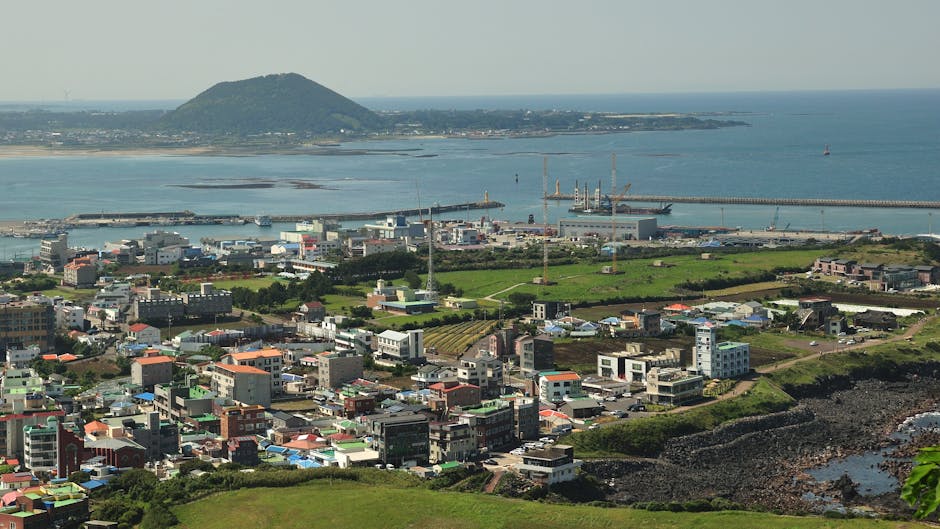
North Korea Conducts More Military Drills Near South Korean Border Island Amid Escalating Tensions
North Korea has intensified its military provocations with a series of new drills conducted in close proximity to the South Korean border island of Baengnyeongdo. These exercises, involving artillery shelling and simulated amphibious assaults, represent a significant escalation of tensions in the Korean Peninsula, raising alarm bells among regional security stakeholders and prompting renewed calls for de-escalation and dialogue. The drills, which commenced in early [mention month, e.g., March] and have continued intermittently, target strategic objectives designed to underscore Pyongyang’s growing assertiveness and its readiness to challenge established security architectures.
The immediate focus of these recent drills has been the vicinity of Baengnyeongdo, a South Korean island strategically positioned just kilometers from the North Korean mainland. This particular island has historically been a flashpoint, and its inclusion in recent military exercises by Pyongyang is a deliberate and provocative act. Sources within the South Korean military have confirmed the presence of North Korean artillery units engaging in live-fire exercises, with shells reportedly landing in waters close to the island. While direct targeting of South Korean territory has thus far been avoided, the intent behind such proximity is clear: to demonstrate capability and exert pressure. Furthermore, reports indicate the involvement of naval assets and what appear to be simulated amphibious landing operations, suggesting a broader strategic aim beyond mere artillery posturing. These maneuvers are not isolated incidents but are part of a pattern of behavior designed to continually test the resolve and response mechanisms of the Republic of Korea (ROK) and its allies, particularly the United States.
The timing of these drills is also highly significant. They coincide with a period of heightened geopolitical flux, including ongoing developments in the Russia-Ukraine conflict and continued diplomatic paralysis regarding North Korea’s nuclear program. Pyongyang has consistently leveraged regional and global instability to advance its own strategic agenda, and these drills serve as a potent reminder of its persistent threat perception and its unwavering commitment to military modernization. By conducting exercises near Baengnyeongdo, North Korea is simultaneously signaling its capacity for a rapid response to any perceived provocation and aiming to underscore the vulnerability of South Korean front-line positions. This strategic signaling is a well-established tactic in North Korea’s foreign policy playbook, designed to elicit international attention and, ideally, concessions.
The operational scope of these exercises suggests a level of planning and resource allocation that indicates a sustained commitment to military preparedness. The types of weaponry observed, including multiple launch rocket systems (MLRS) and various caliber artillery pieces, are indicative of a focus on suppressing enemy positions and potentially disrupting enemy deployments. The simulated amphibious landings, while inherently complex and resource-intensive, point towards a capability that could, in theory, be employed in an offensive scenario. Such drills are not merely for show; they serve as crucial training opportunities for North Korean forces, allowing them to refine tactics, test command and control structures, and maintain combat readiness in a realistic, albeit simulated, operational environment. The strategic location near Baengnyeongdo also allows for the testing of such operations in a context that directly threatens South Korean territorial integrity, thereby maximizing the psychological impact.
South Korea’s response to these provocations has been measured but firm. The ROK military has maintained a heightened state of readiness, conducting its own defensive drills and closely monitoring North Korean movements. The South Korean Joint Chiefs of Staff has issued statements condemning the drills as a violation of inter-Korean agreements and a destabilizing factor in the region. Seoul has also engaged in diplomatic consultations with its allies, particularly Washington, to coordinate responses and reinforce deterrence. The U.S.-ROK Combined Forces Command remains vigilant, with joint exercises and intelligence sharing forming a critical component of the combined defense posture. The emphasis on deterrence by both Seoul and Washington is a direct consequence of the persistent threat posed by North Korea’s WMD programs and its conventional military capabilities.
The international community has largely condemned North Korea’s actions, reiterating calls for Pyongyang to adhere to its international obligations and return to denuclearization talks. The United Nations Security Council, though often hampered by veto powers, has repeatedly imposed sanctions on North Korea in response to its weapons programs and provocative actions. However, the effectiveness of these sanctions in altering Pyongyang’s behavior remains a subject of ongoing debate. The recent drills near Baengnyeongdo underscore the limitations of current diplomatic frameworks in preventing such escalations and highlight the enduring challenge of achieving lasting peace and stability on the Korean Peninsula. The cyclical nature of provocations and sanctions has become a defining characteristic of inter-Korean relations, and these drills represent another turn of that cycle.
The strategic implications of North Korea’s continued military drills are multifaceted. Firstly, they serve to bolster domestic support for the regime by projecting an image of strength and defiance against external threats. In a nation where information is tightly controlled, military displays often serve as a key tool for propaganda and national unity. Secondly, these exercises are designed to extract concessions from the international community. Pyongyang has a proven track record of using brinkmanship to force negotiations on its own terms, often seeking sanctions relief or humanitarian aid in exchange for pauses in its provocative activities. The drills near Baengnyeongdo are a calculated move to increase leverage in any future diplomatic engagements.
Thirdly, and perhaps most critically, these drills are a clear demonstration of North Korea’s evolving military capabilities. The sophistication and scale of recent exercises suggest a continuous effort to modernize its armed forces, particularly in areas such as precision-guided munitions, cyber warfare, and asymmetric threats. While North Korea’s conventional military might not match that of its adversaries, its ability to deploy and execute complex drills in close proximity to a heavily fortified border highlights a persistent and evolving threat. The proximity to Baengnyeongdo is not accidental; it forces the South Korean military to divert resources and maintain a high alert status, creating a constant drain on its operational capacity and a persistent psychological burden.
The engagement of artillery units in live-fire exercises near the maritime boundary line, even if not directly crossing into South Korean territorial waters, constitutes a significant breach of existing military agreements. The 2018 Inter-Korean Military Agreement, aimed at reducing military tensions and preventing accidental clashes, is demonstrably being eroded by these actions. The specific targeting of areas close to Baengnyeongdo can be interpreted as a direct challenge to the spirit and letter of this agreement, further complicating any prospects for dialogue and cooperation. The effectiveness of such agreements is inherently dependent on the willingness of both parties to adhere to their provisions, and North Korea’s recent actions suggest a deliberate disregard.
The role of Baengnyeongdo as a focal point for these drills cannot be overstated. As one of the westernmost islands controlled by South Korea, it occupies a strategically vital position. Its proximity to the North Korean mainland means that it is particularly vulnerable to a range of attack vectors, from artillery to missile strikes and potential amphibious assaults. By conducting drills in its vicinity, North Korea is not only showcasing its offensive capabilities but also implicitly reminding Seoul and its allies of the inherent risks associated with the current geopolitical division. The island itself is also home to a significant South Korean military presence, making it a natural target for tactical training aimed at neutralizing or overwhelming such defenses.
The international response to these ongoing drills is a critical factor in shaping future developments. While condemnation is important, a more robust and coordinated approach to diplomacy and deterrence may be necessary. This could involve enhanced intelligence sharing among allies, joint military exercises that demonstrate a united front, and sustained diplomatic engagement aimed at finding a pathway back to denuclearization talks. The current trajectory, marked by repeated provocations and a lack of meaningful progress on denuclearization, is unsustainable and carries inherent risks of miscalculation and escalation. The international community’s consistent messaging to North Korea has been that its security concerns can only be addressed through dialogue and verifiable denuclearization, not through coercive military actions.
The economic implications of these drills also warrant consideration. The heightened security concerns can impact investment and tourism in the region, as well as necessitate increased military spending by South Korea and its allies. This diverts resources that could otherwise be allocated to economic development and social programs. The constant state of alert and the need for robust defense infrastructure represent a long-term economic burden for South Korea. Furthermore, any spillover effects from increased tensions, such as disruptions to maritime trade routes, could have broader global economic consequences.
Looking ahead, the situation remains volatile. North Korea’s consistent pursuit of military advancements, coupled with its willingness to engage in provocative drills, suggests that the current security environment is unlikely to improve in the short term. The international community faces the ongoing challenge of balancing the need to deter aggression with the imperative of pursuing diplomatic solutions. The drills near Baengnyeongdo are a stark reminder of the persistent threat posed by North Korea and the complex geopolitical landscape of the Korean Peninsula. The strategic objective for Seoul and its allies remains the same: to deter aggression, maintain stability, and ultimately achieve a peaceful and denuclearized Korean Peninsula. However, the methods employed by Pyongyang, particularly its increasingly bold military exercises, necessitate a continuous re-evaluation of existing strategies and a commitment to finding innovative solutions. The drills are not just about demonstrating military might; they are about shaping perceptions, influencing policy, and ultimately, securing North Korea’s perceived national interests in a highly contested geopolitical arena. The international community’s response will be crucial in determining whether these provocations lead to further escalation or eventually pave the way for renewed diplomatic engagement.
