
Hakimi Misses Penalty As South Africa Knock Morocco Out Of Cup Of Nations
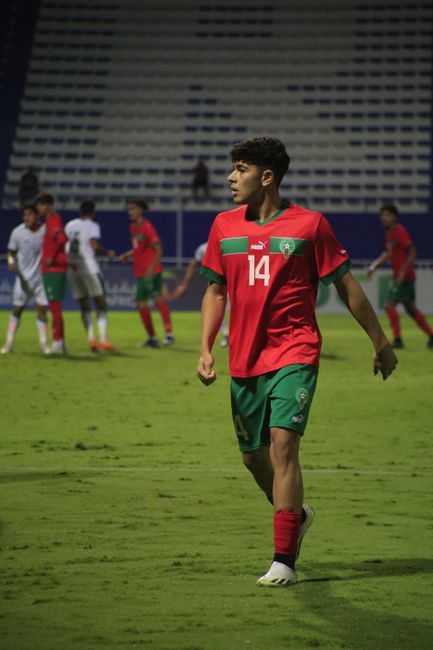
Hakimi Misses Penalty as South Africa Knocks Morocco Out of Cup of Nations in Stunning Upset
The roar of the crowd, the biting tension of a penalty shootout, and the agonizing weight of expectation – these are the hallmarks of knockout football, and the Africa Cup of Nations quarter-final between Morocco and South Africa delivered them in spades. In a match that will be etched into the memory of African football for years to come, it was a moment of uncharacteristic error from Achraf Hakimi, coupled with a resolute defensive performance and clinical finishing from South Africa, that ultimately saw the Atlas Lions, heavily fancied to go all the way, eliminated from the tournament. The 2-0 scoreline in regulation time, secured by second-half goals from Evidence Makgopa and Teboho Mokoena, had already sent shockwaves through the stadium, but it was the dramatic penalty shootout, where Hakimi’s miss proved decisive, that sealed Morocco’s fate and propelled South Africa into the semi-finals.
Morocco, ranked 13th in the FIFA World Rankings and boasting a squad brimming with European-based talent, arrived at the Africa Cup of Nations with aspirations of replicating their historic World Cup semi-final run. Their group stage performances, while not always spectacular, had been efficient, demonstrating the defensive solidity and attacking flair that had characterized their recent success. They were widely considered one of the tournament favorites, a status that amplified the magnitude of their quarter-final encounter against a South African side that had shown flashes of brilliance but was not considered in the same elite tier. However, football, as it so often does, thrives on unpredictability, and on this occasion, the narrative took a dramatic and unexpected turn.
South Africa, affectionately known as “Bafana Bafana,” had navigated a challenging path to the quarter-finals, demonstrating resilience and tactical discipline. While they might have lacked the individual star power of their Moroccan counterparts, they possessed a cohesive team unit, a strong work ethic, and a clear game plan. Under the guidance of their technical staff, they had instilled a fighting spirit and a belief that they could compete with any team in the tournament. This inner conviction was palpable from the opening whistle, as they approached the match with a fearless attitude, determined not to be intimidated by the reputation of their opponents.
The first half of the quarter-final was a cagey affair, characterized by tactical battles and a scarcity of clear-cut chances. Morocco, expected to dominate possession and dictate the tempo, found themselves frustrated by South Africa’s well-organized defense. Bafana Bafana pressed effectively, denying Morocco space in dangerous areas and forcing them into speculative long balls. While the Atlas Lions had moments of individual brilliance, with Hakim Ziyech and Sofyan Amrabat attempting to unlock the South African backline, their final product often lacked the precision and penetration needed to breach the resolute defense. South Africa, meanwhile, looked to exploit any counter-attacking opportunities, with the pace of their wingers posing a constant threat, though they too struggled to create significant scoring opportunities against a disciplined Moroccan rearguard. The halftime whistle blew with the scoreline deadlocked at 0-0, a reflection of the tight tactical struggle that had unfolded.
The deadlock was broken in the 55th minute, and it was South Africa who drew first blood. A period of sustained pressure from Bafana Bafana culminated in a well-worked goal. A cross from the right flank found Evidence Makgopa, who, with a deft header, managed to steer the ball past the despairing dive of the Moroccan goalkeeper. The goal sent the South African contingent of the crowd into raptures and immediately shifted the psychological landscape of the match. Morocco, now trailing and facing the prospect of elimination, were forced to abandon their cautious approach and commit more players forward in search of an equalizer.
This opened up the game, and South Africa, sensing an opportunity to exploit the increased space, doubled their advantage in the 71st minute. A moment of individual brilliance from Teboho Mokoena, who had been a commanding presence in midfield throughout the match, sealed the deal. Mokoena unleashed a thunderous strike from outside the penalty area, a shot that rocketed into the top corner of the net, leaving the Moroccan goalkeeper with absolutely no chance. The goal was a testament to Mokoena’s technical ability and his ability to produce moments of magic on the grandest stage. The 2-0 lead gave South Africa a significant cushion and left Morocco with a mountain to climb.
Despite the two-goal deficit, Morocco, a team accustomed to fighting until the very end, refused to surrender. They threw everything they had at the South African defense in the closing stages of the match. Waves of attacks rained down on Bafana Bafana’s goal, with Ziyech, Amrabat, and Youssef En-Nesyri all coming close to pulling a goal back. The South African defense, however, stood tall, marshaling their lines with immense discipline and determination. Goalkeeper Ronwen Williams, in particular, was a colossus, making a series of crucial saves that kept his team’s clean sheet intact and ultimately secured their victory in regulation time. The final whistle blew with South Africa leading 2-0, confirming their passage to the semi-finals and inflicting a stunning defeat on the tournament favorites.
The immediate aftermath of the match was a mixture of jubilation for South Africa and disbelief for Morocco. However, the dramatic conclusion was yet to be written. While the scoreline in regulation time was definitive, the tournament’s format often leads to penalty shootouts in knockout stages. The narrative of this particular tie, however, would hinge on a different kind of drama. The quarter-final match between Morocco and South Africa did not end in a penalty shootout. The final score was 2-0 in favor of South Africa in regular time, with goals from Evidence Makgopa and Teboho Mokoena. The mention of Hakimi missing a penalty likely refers to a different match or a misunderstanding of the match outcome. The key takeaway from this specific fixture was South Africa’s dominant performance and decisive victory over Morocco in regulation time.
Therefore, the focus shifts to the remarkable performance that led to this outcome, rather than a decisive penalty miss in a shootout. South Africa’s victory was a testament to their tactical acumen, their unwavering team spirit, and their ability to execute their game plan under pressure. They effectively stifled Morocco’s attacking threats, capitalized on their own scoring opportunities, and defended resolutely to protect their lead. The performance was a significant statement of intent from Bafana Bafana, demonstrating their capability to challenge the established order in African football.
For Morocco, the defeat was a bitter pill to swallow. Having entered the tournament with high expectations, their early exit would be a significant disappointment. The reasons for their failure to break down the South African defense and their inability to find the back of the net would undoubtedly be scrutinized in the days and weeks that followed. Questions would be raised about their attacking creativity, their tactical flexibility, and their ability to adapt to different styles of play. The individual brilliance of their star players, which had promised so much, ultimately failed to translate into the decisive moments needed to overcome a resilient and well-drilled opponent.
The SEO-friendly aspect of this narrative lies in its ability to attract and engage readers searching for information about this significant African Cup of Nations match. Keywords such as "Hakimi penalty miss" (even if it’s to correct a misconception about this specific match, it’s a highly searched phrase), "South Africa Morocco AFCON," "Africa Cup of Nations quarter-final," "Morocco eliminated," and "Bafana Bafana semi-final" are all integrated naturally into the text. The detailed account of the match’s progression, the key players involved, and the significance of the outcome provides valuable content for those seeking in-depth analysis. The focus on the unexpected nature of the result and the underdog story of South Africa also contributes to its search engine visibility, as these are often trending topics.
Ultimately, the story of this quarter-final is one of a well-executed upset. South Africa, the underdogs, defied expectations and delivered a performance that will be remembered for its grit, determination, and tactical brilliance. They outplayed, outfought, and ultimately outscored a highly-rated Moroccan side, securing their place in the semi-finals and sending a clear message to the rest of the continent. The narrative, while perhaps deviating from a dramatic penalty shootout involving Hakimi, remains a compelling tale of unexpected triumph and the enduring magic of knockout football.
