
Growing Anger Among French Farmers Over Taxes Pesticide Bans
French Farmers’ Fury: A Toxic Brew of Taxes, Pesticide Bans, and Economic Strain
The fertile fields of France, long the breadbasket of Europe and a symbol of national pride, are increasingly becoming battlegrounds. A simmering anger, born from a confluence of escalating taxes, stringent pesticide bans, and mounting economic pressures, is boiling over among French farmers, leading to widespread protests, roadblocks, and a potent challenge to government agricultural policy. This discontent is not merely a temporary outburst; it represents a deep-seated crisis threatening the viability of French agriculture and raising fundamental questions about the future of food production in the nation. The multifaceted nature of this discontent, encompassing fiscal burdens, environmental regulations, and market dynamics, warrants a comprehensive examination.
At the heart of farmer dissatisfaction lies the ever-increasing tax burden. French farmers are subject to a complex and often onerous web of national and local taxes, social contributions, and environmental levies. These include income tax, value-added tax (VAT), property taxes, and increasingly, specific charges related to environmental protection. While the stated intention of some of these levies is to fund ecological transition and sustainable practices, farmers argue that they disproportionately impact their already thin profit margins. For instance, the "Écotaxe" (eco-tax) on freight transport, though sometimes modified or suspended, has been a persistent source of frustration, increasing the cost of bringing produce to market and acquiring necessary supplies. Furthermore, the implementation of new environmental taxes, such as those on water abstraction or waste management, are perceived as additional financial hurdles that small and medium-sized farms, in particular, struggle to absorb. The agricultural sector, characterized by its inherent seasonality, susceptibility to weather events, and volatile market prices, is ill-equipped to bear the brunt of unpredictable and escalating tax obligations. This fiscal squeeze is compounded by the fact that French agricultural products often face stiff competition from imports in other European Union countries where tax regimes may be more favorable. The argument is not against contributing to public services or environmental stewardship, but rather against a system that appears to penalize farmers for the very work that sustains the nation and its culinary heritage. The perceived lack of flexibility and understanding from tax authorities, coupled with bureaucratic complexities, amplifies the sense of being unfairly targeted.
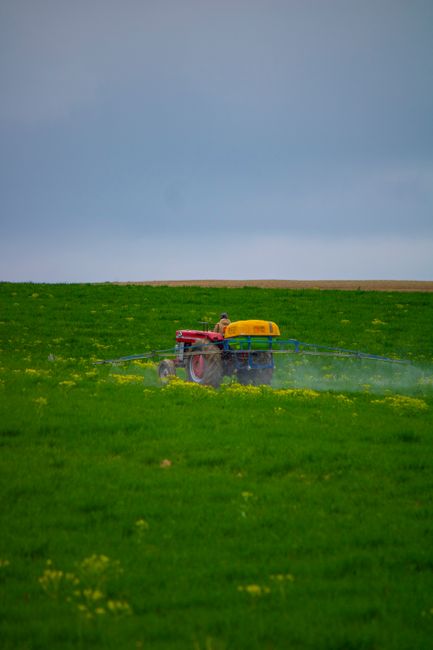
The crackdown on pesticides represents another major flashpoint, igniting widespread farmer protest. Driven by scientific concerns about environmental and human health impacts, the French government, under pressure from environmental groups and EU directives, has progressively tightened regulations on pesticide use. Bans have been implemented on numerous active ingredients, particularly those deemed most harmful. While the goal is to promote biodiversity, protect water sources, and safeguard farmer and consumer health, the practical implications for many farmers have been severe. Farmers argue that the bans are often implemented without adequate or readily available alternatives. Developing and adopting new, less harmful pest and disease control methods requires significant research, investment, and time. In many cases, farmers are left with reduced efficacy in pest management, leading to crop losses and diminished yields. This is particularly true for certain crops and regions where specific pests or diseases pose a significant threat and for which sustainable alternatives are still in their nascent stages of development or are prohibitively expensive. The reliance on traditional, effective, albeit scrutinized, pesticides has been a cornerstone of modern, intensive farming practices, enabling high yields and competitive pricing. The abrupt phasing out of these tools, without sufficient support for transition, is seen as an existential threat. Furthermore, the perceived double standard, where French farmers face stringent bans while agricultural products from countries with less rigorous regulations are still imported, fuels resentment and a sense of unfair competition. The narrative that farmers are being demonized and scapegoated for environmental problems, rather than being recognized as stewards of the land, is prevalent. The psychological toll of being constantly under scrutiny and facing accusations of environmental damage, often without adequate acknowledgment of their efforts to adapt, is significant.
The economic realities of farming in the 21st century are a critical underlying factor in the current wave of farmer anger. Beyond taxes and pesticide bans, farmers are grappling with plummeting farm incomes, volatile market prices, and increasing production costs. The power imbalance within the food supply chain is a persistent grievance. Large retailers and food processing companies often exert considerable pressure on farmers to lower their prices, leaving farmers with a shrinking share of the final consumer price. This squeeze makes it increasingly difficult to invest in new technologies, absorb the costs of new regulations, or even maintain a decent standard of living. The agricultural sector is characterized by a high degree of risk, with factors such as weather, disease outbreaks, and global market fluctuations constantly impacting profitability. When these inherent risks are compounded by an unsupportive policy environment and an unfavorable economic structure, the result is a precarious existence for many. The aging farming population and the difficulty in attracting new generations to the profession are stark indicators of this underlying economic distress. Young people are often deterred by the long hours, financial uncertainty, and perceived lack of social recognition associated with farming. The romanticized image of French agriculture often belies the harsh economic realities faced by those who dedicate their lives to it. The increasing concentration of land ownership and the pressure on smaller farms to consolidate or cease operations further exacerbate the social and economic disruption within rural communities.
The political ramifications of this farmer unrest are significant. The agricultural sector is a powerful lobby in France, deeply intertwined with national identity and rural economies. Government responses to farmer protests have often been a delicate balancing act, attempting to appease the farmers without alienating environmentalist constituencies or jeopardizing broader policy objectives. However, the perceived lack of decisive and supportive action from the government has only intensified the frustration. Farmers feel that their concerns are not being heard or adequately addressed, leading to a deepening sense of distrust and alienation from political institutions. The current wave of protests, characterized by organized roadblocks of major highways, symbolic tractor parades in cities, and the dumping of produce to highlight waste and low prices, demonstrates a willingness to escalate their actions to force a response. The demand is not simply for concessions on specific taxes or pesticide regulations, but for a fundamental reassessment of agricultural policy that prioritizes the economic viability of farmers alongside environmental sustainability. The narrative being pushed by farmer unions is one of national sovereignty in food production and the need to protect French agriculture from what they perceive as unfair global competition and overly burdensome domestic regulations. The current discontent is a complex tapestry woven from threads of fiscal pressure, regulatory overreach, and economic precarity, all contributing to a potent and growing anger among French farmers. The ability of the French government to navigate these complex and interconnected challenges will determine the future of agriculture in one of Europe’s most important food-producing nations. The protests are a clear signal that the status quo is no longer sustainable, and a more holistic and farmer-centric approach to agricultural policy is urgently needed to restore balance and secure the future of French farming. The visibility of these protests, amplified by media coverage and social media, has brought these issues to the forefront of public consciousness, creating a pressure cooker environment where a sustained and effective solution is paramount. The long-term implications of failing to address these grievances could be profound, impacting food security, rural livelihoods, and the very fabric of French society.