
Eu Agriculture Ministers Set To Meet Amid Farmer Protests In France And Germany
EU Agriculture Ministers to Convene Amidst Escalating Farmer Protests in France and Germany
European Union Agriculture Ministers are scheduled to convene for critical discussions as widespread farmer protests, particularly prominent in France and Germany, cast a long shadow over the agricultural sector’s future. The meetings, aimed at addressing deeply entrenched grievances and navigating complex policy landscapes, will be a crucial test of the EU’s ability to respond effectively to the mounting pressures faced by its agricultural producers. The confluence of economic challenges, environmental regulations, and geopolitical shifts has fueled a potent wave of discontent, prompting urgent dialogue at the highest levels of EU governance. The agenda will undoubtedly be dominated by the immediate demands of the protesting farmers, but the underlying systemic issues contributing to their unrest require more than just superficial solutions.
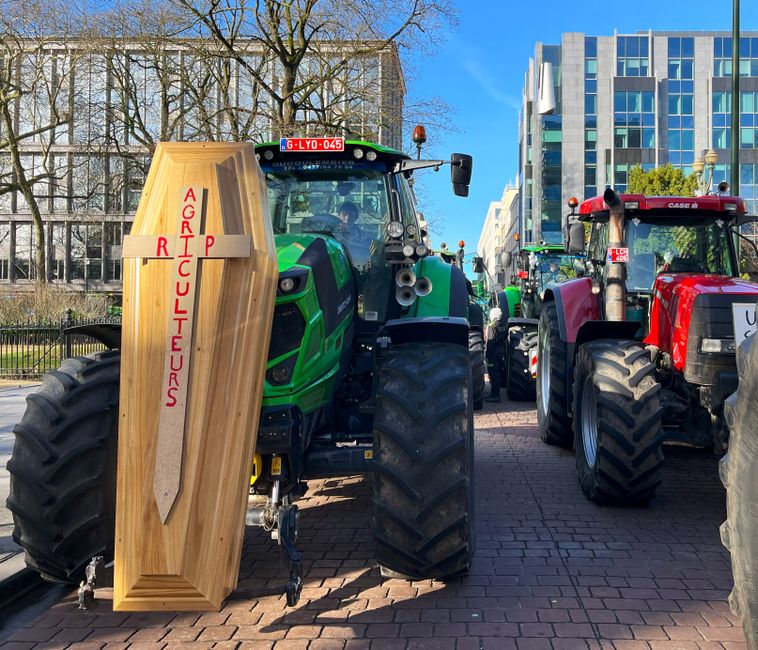
In France, farmer protests have seen tractors blockading major roads, disrupting supply chains, and bringing a stark visual representation of their dissatisfaction to the forefront. Concerns range from the rising cost of inputs such as fuel, fertilizer, and animal feed, to what farmers perceive as unfair competition from imports produced under less stringent environmental and labor standards. The "Gilets Jaunes" movement, though initially unrelated, has served as a precedent for widespread public demonstrations, and the current agricultural unrest taps into a similar vein of frustration with perceived government neglect and the widening gap between urban and rural populations. French farmers are particularly vocal about the impact of the EU’s Green Deal, specifically its ambitious targets for reducing pesticide use and increasing organic farming, which they argue are economically unsustainable without adequate financial support and adjusted timelines. They also point to the influx of Ukrainian grain, exempted from EU tariffs following the Russian invasion, as a significant market disruptor that has driven down domestic prices.
Similarly, Germany’s agricultural sector is experiencing intense protest activity. Farmers have utilized similar tactics, employing convoys of tractors to demonstrate their opposition to government policies. A key point of contention has been the proposed reduction of agricultural subsidies for diesel fuel, a measure intended to align with climate goals but which farmers view as a direct threat to their profitability. The German Farmers’ Association (DBV) has been a leading voice in articulating these concerns, emphasizing the need for a pragmatic approach that balances environmental objectives with the economic viability of farming operations. German farmers are also grappling with increasing bureaucratic burdens and a perceived lack of appreciation for their role in food security and landscape preservation. The ongoing debates in Germany highlight a broader European challenge: how to transition to a more sustainable agricultural model without jeopardizing the livelihoods of those who currently practice it.
The convergence of these protests in two of the EU’s largest agricultural economies creates an undeniable imperative for the upcoming ministerial meeting. The ministers will be under immense pressure to deliver tangible outcomes that appease the discontented farming communities. Beyond the immediate demands, the discussions will inevitably delve into the long-term strategies for the Common Agricultural Policy (CAP), the EU’s primary tool for supporting farmers and shaping agricultural landscapes. The CAP, currently undergoing reform, is intended to address issues of sustainability, competitiveness, and rural development, but its implementation and effectiveness are being rigorously scrutinized in light of the current crisis.
One of the most pressing issues on the table will be the balance between ambitious environmental targets and the economic realities faced by farmers. The EU’s Green Deal, with its "Farm to Fork" and "Biodiversity" strategies, aims to create a more sustainable and resilient food system. However, many farmers argue that the pace and scope of these reforms are unrealistic without commensurate financial support and a thorough assessment of their impact on production costs and competitiveness. The debate will likely revolve around the level of financial assistance available to help farmers transition to more sustainable practices, such as investing in new technologies, adopting organic farming methods, and improving animal welfare. The question of whether existing CAP funding is sufficient, or if additional national or EU-level support is required, will be central to the deliberations.
The issue of fair trade and competition will also be a significant agenda item. French and German farmers, along with their counterparts across the EU, have expressed deep concerns about the impact of imports from countries with lower production costs and less stringent regulatory frameworks. The recent influx of Ukrainian grain, while a response to geopolitical necessity, has undeniably disrupted established market dynamics. Ministers will need to grapple with how to ensure a level playing field for EU producers, potentially through measures such as stricter import controls, the application of EU standards to imported goods, and the renegotiation of trade agreements to better protect European agricultural interests. The debate is not about protectionism for its own sake, but about ensuring that EU farmers are not disadvantaged by unfair competition that undermines their efforts to meet high EU standards.
The role of food security and the perception of farmers as essential to this endeavor will also be amplified during these discussions. The protests have served as a potent reminder to the public and policymakers alike of the crucial role farmers play in providing safe, affordable, and nutritious food. In an era of increasing global volatility, ensuring a robust and resilient domestic agricultural sector is paramount. Ministers will likely consider how to strengthen the position of farmers in the food value chain, addressing the imbalance of power between producers, processors, and retailers, and ensuring that farmers receive a fair price for their produce. This could involve exploring mechanisms for price stabilization, promoting shorter supply chains, and fostering greater transparency in food pricing.
Furthermore, the geopolitical context, particularly the ongoing war in Ukraine, cannot be ignored. The conflict has had profound implications for energy prices, fertilizer availability, and global food markets. Ministers will need to discuss how the EU can mitigate these external shocks and build greater resilience within its own agricultural sector. This could involve diversifying energy sources, exploring alternative fertilizer production methods, and strengthening strategic reserves of essential agricultural inputs. The long-term implications of climate change also loom large, with extreme weather events increasingly impacting crop yields and livestock health. Ministers will need to consider how to support farmers in adapting to these changes and building more climate-resilient agricultural systems.
The impending meeting presents a critical juncture for EU agriculture. The protests, while disruptive, have amplified the voices of farmers and highlighted the urgent need for effective policy responses. The success of the ministerial meeting will hinge on its ability to move beyond rhetoric and deliver concrete, actionable solutions that address the multifaceted challenges facing European farmers. This will require a delicate balancing act, acknowledging the need for environmental sustainability while ensuring economic viability and supporting the vital role of agriculture in society. The outcome of these discussions will have significant implications for the future of farming in the EU, shaping not only the economic landscape but also the environmental stewardship and food security of the continent for years to come. The pressure is on for pragmatic, forward-thinking policies that can bridge the gap between ambition and reality, and ultimately restore confidence and stability to a sector that is fundamental to the European way of life. The need for sustained investment, coherent policy frameworks, and a genuine understanding of the on-the-ground realities of farming will be paramount to navigating this complex and crucial period.