
In Bangladesh Families Of Missing Persons Demand Justice
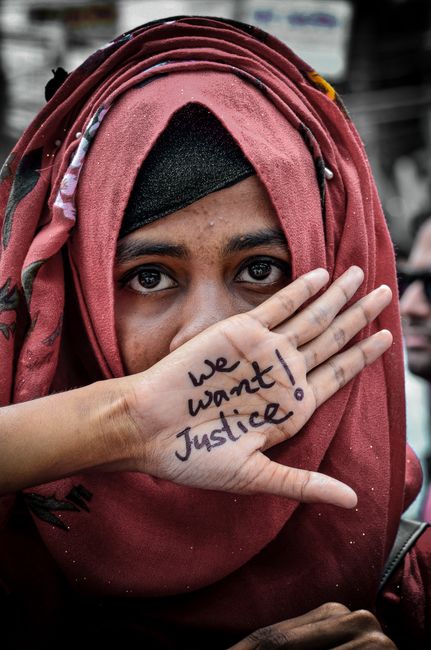
Families of Missing Persons in Bangladesh Demand Justice: A Persistent Cry for Accountability
The persistent and agonizing reality of enforced disappearances in Bangladesh casts a long shadow over countless families, whose lives are perpetually suspended in a state of uncertainty and profound grief. These disappearances, often attributed to state actors or individuals acting with state complicity, leave a gaping void in homes and communities, fueling a relentless demand for justice and accountability. Families of the missing are not merely seeking answers; they are demanding the return of their loved ones, the prosecution of those responsible, and an end to the pervasive climate of fear that accompanies such heinous acts. The struggle for justice is a multifaceted and arduous one, marked by institutional obstacles, the chilling effect of intimidation, and the sheer emotional toll of prolonged separation. This article will delve into the systemic issues that contribute to enforced disappearances in Bangladesh, explore the harrowing experiences of affected families, and critically examine the ongoing efforts to achieve justice and ensure that such violations of human rights are never repeated.
The legal framework and its implementation in Bangladesh present significant challenges to addressing enforced disappearances. While the country is a signatory to the International Convention for the Protection of All Persons from Enforced Disappearance (ICPPED), its domestic legislation often falls short of fully incorporating its provisions or ensuring their effective enforcement. The Penal Code and other relevant laws do not specifically criminalize enforced disappearance as a distinct offense, making it difficult to prosecute perpetrators under a clear and dedicated legal umbrella. This legislative gap allows perpetrators to evade accountability, as charges are often framed under less severe offenses like abduction or kidnapping, which do not fully capture the gravity and state-sponsored nature of enforced disappearances. Furthermore, the procedural hurdles within the justice system, including lengthy investigation periods, lack of independent oversight, and a perceived lack of political will, contribute to the prolonged suffering of families. The absence of a centralized and transparent mechanism to track and investigate disappearance cases further compounds the problem. Families often find themselves navigating a labyrinthine bureaucratic system, facing indifference and even obstruction from authorities who are expected to provide assistance and information. The discretionary powers often wielded by law enforcement agencies, coupled with a lack of robust accountability mechanisms for their actions, create an environment where enforced disappearances can occur with impunity. The criminal justice system, intended to uphold the rights of citizens, too often becomes a source of despair for those seeking justice, as the wheels of justice grind exceedingly slow, or not at all.
The human cost of enforced disappearances is immeasurable and deeply personal. For families, the absence of a loved one is not just a statistic; it is a daily, agonizing reality. Wives are left to shoulder the burden of raising children alone, parents live with the constant fear of their child never returning, and siblings are robbed of companionship and support. The emotional and psychological trauma inflicted upon these families is profound and long-lasting. They grapple with a gnawing uncertainty, unable to perform customary mourning rites or find closure. The hope of a reunion is perpetually pitted against the fear of confirmed loss. Many families live in constant fear of reprisal, making it difficult to openly speak out or seek legal recourse. The chilling effect of intimidation, often subtle but pervasive, discourages victims’ families from pursuing justice, as they fear further persecution or harm to themselves and their remaining family members. This fear is not unfounded, as reports of threats, harassment, and surveillance against activists and families of the disappeared are documented by human rights organizations. The economic impact is also significant. The primary breadwinner may be among the disappeared, plunging families into destitution and further exacerbating their vulnerability. The struggle for justice becomes intertwined with the daily struggle for survival, making their plight even more desperate. Children of the disappeared often suffer from psychological distress, facing stigma and a disrupted sense of security. The fabric of families and communities is torn apart, leaving behind a legacy of pain and injustice that can span generations.
Human rights organizations, both national and international, play a crucial role in documenting, advocating for, and supporting families of the disappeared in Bangladesh. Organizations like Ain o Salish Kendra (ASK), Odhikar, and Amnesty International have consistently highlighted the issue of enforced disappearances, publishing detailed reports that provide evidence of systematic violations. These reports serve as vital tools for raising international awareness, exerting diplomatic pressure on the Bangladeshi government, and providing a platform for the voices of victims’ families to be heard. These organizations often provide legal aid, psychological counseling, and a safe space for families to share their experiences and find solidarity. They document cases, collect testimonies, and lobby for legislative reforms and accountability. Their efforts are instrumental in keeping the issue on the national and international agenda, preventing it from being relegated to the shadows. However, these organizations themselves often face significant challenges, including government scrutiny, restrictions on their work, and the constant risk of intimidation and harassment. Despite these obstacles, their unwavering commitment to human rights and their dedication to supporting the most vulnerable remains a beacon of hope for the families of the disappeared.
The demand for justice by families of missing persons is multifaceted, encompassing a range of specific actions and systemic changes. Foremost is the demand for the immediate and safe return of their loved ones, a plea that underscores the enduring hope that permeates their suffering. Beyond this immediate concern, families ardently call for thorough, impartial, and independent investigations into each disappearance. This necessitates a shift away from the current system, where investigations are often perceived as lacking transparency and impartiality. They demand that the perpetrators, regardless of their affiliation or position within the state apparatus, be brought to justice. This includes not only those who directly carry out abductions but also those who orchestrate, authorize, or facilitate them. Prosecution and conviction under appropriate charges, reflecting the severity of enforced disappearance, are essential for achieving a meaningful sense of justice. Furthermore, families demand reparations for the victims and their families, acknowledging the profound harm inflicted. This includes financial compensation, psychological support, and other forms of redress. Crucially, they advocate for an end to impunity, a systemic issue that perpetuates the cycle of disappearances. This involves implementing robust oversight mechanisms for law enforcement agencies, ensuring accountability for abuses of power, and fostering a culture of respect for human rights within state institutions. The creation of a dedicated law criminalizing enforced disappearance, in line with international standards, is a cornerstone of their legislative demands. This would provide a clear legal framework for prosecution and send an unequivocal message that such acts will not be tolerated.
The international community has a critical role to play in supporting the families of the disappeared and urging the Bangladeshi government to uphold its human rights obligations. This includes consistent diplomatic engagement, advocating for the ratification and implementation of the ICPPED, and supporting independent human rights monitoring mechanisms. International pressure can be a powerful catalyst for change, encouraging governments to address violations and commit to accountability. Donor countries and international organizations can also provide financial and technical assistance to support the work of local human rights organizations and legal aid providers who are on the front lines of this struggle. This support can empower these organizations to continue their vital work of documenting abuses, advocating for victims, and providing much-needed assistance to affected families. The United Nations, through its various human rights bodies and special rapporteurs, has the capacity to investigate alleged disappearances, make recommendations to the government, and facilitate dialogue. Consistent and strong condemnation of enforced disappearances by global leaders and intergovernmental organizations can put significant pressure on the Bangladeshi authorities to take meaningful action. Furthermore, international scrutiny can help ensure that investigations are conducted impartially and that perpetrators are held accountable. The global spotlight can serve as a deterrent against future abuses and provide a measure of solace to families who feel forgotten and abandoned.
The path to justice for families of missing persons in Bangladesh is fraught with challenges, yet their unwavering resolve and persistent advocacy are crucial drivers of change. The systematic nature of enforced disappearances, coupled with legislative gaps and a climate of fear, creates formidable obstacles. However, the tenacity of these families, amplified by the work of human rights defenders and the attention of the international community, offers a glimmer of hope. Their demand for justice is not merely about retribution; it is a fundamental assertion of human dignity and an unwavering pursuit of accountability for the state and its agents. Achieving justice requires a multi-pronged approach: robust legal and institutional reforms to criminalize enforced disappearance and ensure accountability, comprehensive and impartial investigations, and meaningful redress for victims and their families. The sustained commitment of national and international actors is vital to support these efforts and ensure that the cries of these families do not go unheard. The ultimate goal is not only to bring perpetrators to justice but also to prevent future occurrences, thereby safeguarding the fundamental human rights of all citizens and fostering a society where every individual can live without fear of arbitrary detention or enforced disappearance. The journey is long and arduous, but the moral imperative to seek justice for those who have been forcibly erased from their families and communities remains a powerful and necessary force.
