
Ethnic Violence In Sudan S Darfur Region Crisis Is Drowning In Other Headlines
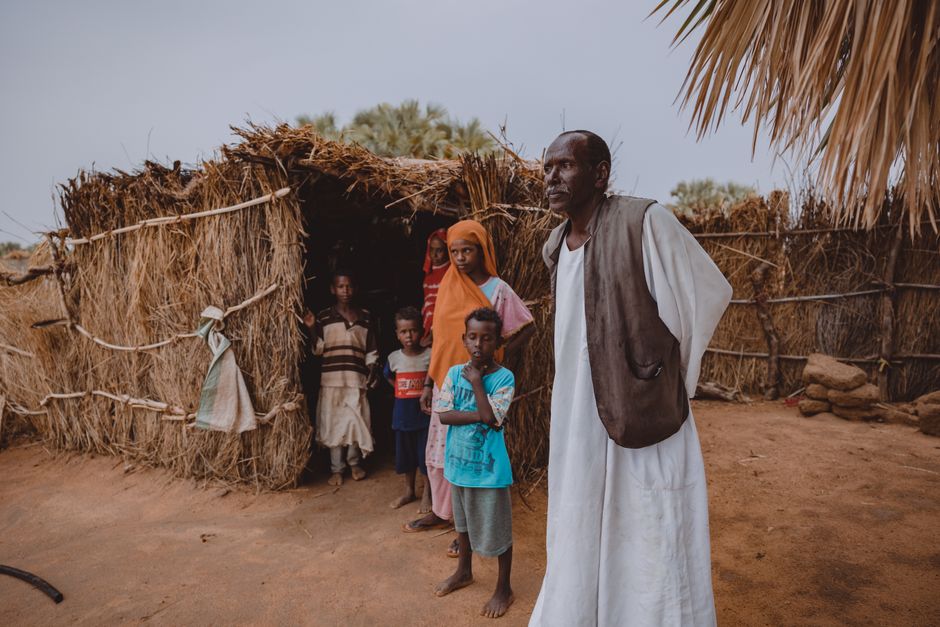
Darfur’s Forgotten War: Ethnic Violence and the Unfolding Humanitarian Catastrophe in Sudan
The crisis in Sudan’s Darfur region, a protracted and brutal conflict characterized by widespread ethnic violence, has become a casualty of the global news cycle, often overshadowed by more immediate geopolitical events. Yet, the suffering of millions in Darfur continues unabated, a stark testament to systemic neglect and the devastating consequences of unresolved ethnic tensions. This article aims to provide a comprehensive overview of the Darfur conflict, focusing on its ethnic dimensions, the ongoing humanitarian crisis, and the imperative for renewed international attention and action. Understanding the roots of this protracted violence is crucial to appreciating the depth of the current catastrophe and advocating for effective solutions.
The genesis of the Darfur conflict can be traced back to a complex interplay of historical grievances, resource scarcity, and discriminatory state policies. The region, predominantly inhabited by marginalized ethnic groups such as the Fur, Masalit, and Zaghawa, has long experienced economic marginalization and political exclusion by successive Sudanese governments dominated by Arab elites. In the early 2000s, these tensions, exacerbated by desertification and competition for fertile land and water, erupted into open conflict. The rebel movements, largely composed of non-Arab ethnic groups, accused the Khartoum government of favoring Arab populations and neglecting the development of the western regions. The government’s response was to unleash a brutal counter-insurgency campaign, characterized by the systematic targeting of civilian populations based on their ethnicity.
The violence in Darfur has been marked by extreme brutality, including widespread rape, torture, indiscriminate killings, and the systematic destruction of villages. The Janjaweed militia, a proxy force composed of Arab nomads, became infamous for its scorched-earth tactics, often acting with the complicity or direct support of government forces. This campaign of ethnic cleansing aimed to drive non-Arab populations from their ancestral lands, consolidating Arab control over resources and territory. The targeting of civilians was not random; it was a deliberate strategy to depopulate specific ethnic communities, a tactic that has been widely condemned as genocidal. The scale of the atrocities has led to international indictments for war crimes and crimes against humanity.
The ethnic dimension of the Darfur conflict is undeniable and remains a primary driver of the ongoing violence. While initial rebel grievances were rooted in political and economic marginalization, the government’s response militarized ethnic differences, transforming it into an existential struggle for many communities. The conflict has created deep divisions and animosities between various ethnic groups, fostering cycles of revenge and mistrust that are difficult to break. The ongoing presence of armed groups, many of whom are ethnically aligned, perpetuates this cycle. Power struggles, often framed along ethnic lines, continue to fuel localized clashes and inter-communal violence, even as the larger international spotlight has dimmed.
The humanitarian consequences of the Darfur crisis are staggering. Decades of conflict have displaced millions of people, creating one of the largest internally displaced person (IDP) populations globally. These IDPs are often crammed into overcrowded camps, living in precarious conditions with limited access to food, water, healthcare, and sanitation. The constant threat of violence, coupled with endemic poverty and malnutrition, makes their lives an unending struggle for survival. Reports from humanitarian organizations consistently highlight the dire state of healthcare, with limited medical facilities and a severe shortage of essential medicines and trained personnel. The impact on children, who are particularly vulnerable to disease, malnutrition, and psychological trauma, is devastating.
The international community’s response to the Darfur crisis has been characterized by a mix of condemnation, peacekeeping efforts, and humanitarian aid. The United Nations and the African Union deployed a joint peacekeeping mission (UNAMID) in 2007, intended to protect civilians and facilitate humanitarian access. However, UNAMID’s effectiveness was often hampered by limited mandates, insufficient resources, and the complex political and security environment. While the mission did achieve some successes in de-escalating certain forms of violence, it was ultimately unable to end the pervasive insecurity or address the root causes of the conflict. Following UNAMID’s withdrawal, the security landscape has become more fragmented and volatile.
The protracted nature of the Darfur conflict has also led to a significant erosion of state capacity and governance in the region. The Sudanese government, prior to the 2019 revolution that ousted Omar al-Bashir, was accused of actively fueling the conflict through its support for proxy militias and its failure to implement peace agreements. Even with a transitional government in place, the legacy of this past instability, coupled with ongoing political fragmentation and economic challenges, continues to hinder efforts towards sustainable peace and development. The dispersal of power, the proliferation of armed groups, and the deep-seated mistrust between communities present formidable obstacles to reconciliation and rebuilding.
Despite the dwindling headlines, the humanitarian needs in Darfur remain immense and unmet. Access for humanitarian organizations continues to be a major challenge, with bureaucratic hurdles, insecurity, and sporadic violence impeding the delivery of essential aid. The ongoing displacement of populations, coupled with recurrent droughts and climate-induced shocks, exacerbates food insecurity and malnutrition. The cyclical nature of violence means that rebuilding shattered communities and livelihoods is an arduous, if not impossible, task for those displaced. The psychological toll on survivors, particularly women and children who have endured horrific trauma, is also a significant, and often overlooked, aspect of the crisis.
The political resolution of the Darfur conflict has proven elusive. Numerous peace agreements have been signed, most notably the Doha Document for Peace in Darfur (DDPD) in 2011, but their implementation has been inconsistent and often undermined by a lack of political will and continued fighting. The underlying issues of land rights, resource allocation, political representation, and accountability for past atrocities remain largely unresolved. The fragmentation of rebel movements and the government’s historical tendency to divide and rule have also complicated peacebuilding efforts. Without genuine commitment from all parties to address these fundamental grievances, lasting peace will remain out of reach.
The ongoing ethnic violence in Darfur is not an isolated phenomenon; it is deeply intertwined with the broader political and economic instability of Sudan. The collapse of the former regime and the subsequent power struggles have created a vacuum that has allowed localized conflicts, often with ethnic undertones, to fester and escalate. The recent outbreak of widespread conflict between the Sudanese Armed Forces (SAF) and the Rapid Support Forces (RSF) in April 2023 has further complicated the situation, with reports of the RSF, which has roots in the Janjaweed militias, engaging in atrocities in Darfur that echo the darkest days of the conflict. This new wave of violence has tragically reignited ethnic tensions and further displaced vulnerable populations.
The international community’s attention to Darfur has waned as other crises have emerged, but this neglect has had devastating consequences for the people of the region. The lack of sustained political pressure and consistent humanitarian funding has allowed the conflict to persist and the humanitarian situation to deteriorate. The perception that Darfur is a "forgotten crisis" risks perpetuating a cycle of violence and suffering, undermining any hopes for a lasting peace. It is a moral and strategic imperative to re-engage with Darfur, not just through humanitarian aid, but through sustained diplomatic efforts aimed at achieving a comprehensive and inclusive peace agreement.
Addressing the root causes of the Darfur conflict requires a multifaceted approach. This includes promoting inclusive governance, ensuring equitable resource distribution, addressing historical grievances, and fostering inter-communal reconciliation. Accountability for war crimes and crimes against humanity is also crucial for achieving justice and deterring future atrocities. The international community must move beyond short-term humanitarian interventions and invest in long-term strategies that build sustainable peace and development in Darfur. This includes supporting the implementation of existing peace agreements, providing assistance for DDR (Disarmament, Demobilization, and Reintegration) programs, and investing in the rebuilding of infrastructure and essential services.
The ongoing ethnic violence in Darfur serves as a grim reminder of the devastating consequences of unchecked ethnic hatred and the failure of international mechanisms to adequately protect vulnerable populations. While the headlines may have moved on, the reality on the ground for millions in Darfur is one of ongoing suffering, displacement, and fear. Revitalizing international attention and commitment to the Darfur crisis is not just an act of solidarity; it is a crucial step towards preventing further humanitarian catastrophe and ensuring that the voices of those who have been silenced by violence are finally heard and addressed. The world cannot afford to let Darfur’s tragedy fade into obscurity, for its lessons are vital for understanding and preventing future conflicts.
