
A Car Free Eiffel Tower Zone Paris Mayor Faces Pushback
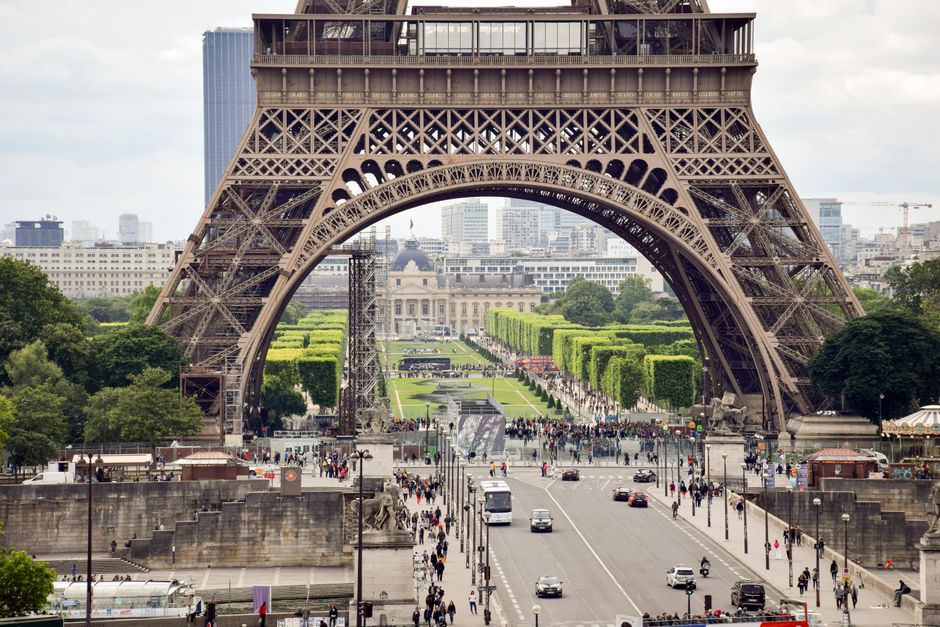
Paris Mayor’s Ambitious Eiffel Tower Car-Free Zone Sparks Fierce Debate and Public Opposition
Paris Mayor Anne Hidalgo’s bold vision to transform the area surrounding the Eiffel Tower into a car-free zone has ignited a firestorm of controversy, pitting environmental aspirations against the practical realities of urban mobility and economic impact. The proposal, a cornerstone of Hidalgo’s broader "Paris Respire" (Paris Breathes) initiative, aims to reclaim public space from vehicular traffic, enhance pedestrian experience, and reduce air and noise pollution in one of the world’s most iconic locations. However, the plan has met with significant pushback from local residents, businesses, and transportation advocates, who question its feasibility, express concerns about accessibility, and highlight potential detrimental effects on tourism and commerce.
The core of Hidalgo’s proposal involves the complete or near-complete elimination of private vehicles within a designated perimeter around the Champ de Mars and Trocadéro. This ambitious undertaking would necessitate a radical shift in how millions of Parisians and tourists access and experience the Eiffel Tower. Proponents argue that a car-free zone will create a more serene and enjoyable environment, fostering a greater sense of connection with the monument and its surroundings. They envision expanded green spaces, wider pedestrian walkways, improved cycling infrastructure, and the integration of enhanced public transport options. The reduction in vehicle emissions is also a significant driver, aligning with Paris’s stated goals of combating climate change and improving public health. The mayor’s office has pointed to successful car-free initiatives in other major cities as evidence of the positive outcomes such a policy can achieve, citing improved air quality and a more vibrant urban atmosphere. Furthermore, the creation of dedicated zones for delivery vehicles and essential services, operating during specific hours, is part of the plan to mitigate disruption. The long-term vision extends beyond just traffic management; it aims to redefine the relationship between people and a pivotal urban landmark, prioritizing human interaction and environmental sustainability over the convenience of private car use.
However, the practical implications of this sweeping proposal are far from straightforward and have become the focal point of intense opposition. Critics argue that the proposed car-free zone will create significant logistical challenges, particularly for individuals with mobility issues, families with young children, and elderly tourists who rely on private transportation or taxis for ease of access. The sheer volume of visitors to the Eiffel Tower, numbering in the tens of thousands daily, means that diverting traffic and accommodating alternative transport methods will require a massive overhaul of existing infrastructure and public transport capacity. Concerns have been raised about the potential for increased congestion on the periphery of the car-free zone, simply shifting the problem rather than solving it. Businesses operating within the vicinity, including hotels, restaurants, and souvenir shops, have voiced anxieties about the impact on their customer base and delivery logistics. They argue that reduced accessibility could deter visitors and negatively affect their livelihoods. The argument is that while the intention is noble, the execution could be detrimental to the economic vitality of an area heavily reliant on tourism. The complex interplay of different user groups – from local residents commuting, to tourists arriving with luggage, to service providers – makes a blanket car-free policy a subject of considerable debate.
The pushback against Hidalgo’s plan is multifaceted and vocal. A prominent group of Parisian residents and business owners, often referred to as the "Collectif pour une Mobilité Apaisée et Accessible" (Collective for Peaceful and Accessible Mobility), has been at the forefront of the opposition. This collective argues that the mayor’s plan is being implemented without adequate consultation with those most affected and that it prioritizes an idealized vision over the practical needs of the city’s inhabitants and visitors. They point to the fact that many Parisians still rely on cars for daily commutes, especially those living in the suburbs or needing to transport goods. Their protests and public statements often highlight the potential for social inequity, arguing that restricting car access disproportionately impacts those who cannot easily utilize public transport or cycling. The argument is not necessarily against reducing car traffic but against a rushed and potentially exclusionary approach. Furthermore, they question the effectiveness of public transport upgrades to absorb the significant influx of people, especially during peak tourist seasons, without creating its own set of congestion and overcrowding issues. The emphasis is on finding a balanced solution that respects the environment without compromising accessibility and economic viability.
Adding to the dissent, some tourism industry stakeholders have expressed concerns about the potential impact on visitor numbers. While proponents of the car-free zone envision a more charming and pedestrian-friendly experience, critics worry that the added complexity of reaching the Eiffel Tower could deter potential visitors, especially those on tighter schedules or with specific accessibility needs. The accessibility argument is particularly potent, with disability rights organizations also raising concerns about the implications for individuals with limited mobility. They emphasize that while public transport is improving, it does not always provide the door-to-door convenience that private transport offers, and that specialized accessible transport options may not be sufficient to meet the demand. The financial implications for businesses are also a significant worry, with many fearing a loss of revenue if access becomes more difficult for their customers. The argument is that a drastic reduction in car access without a robust and seamless alternative could lead to a decline in visitor numbers, impacting the livelihoods of thousands of people.
The political ramifications of this debate are also significant for Mayor Hidalgo. Her administration has positioned itself as a leader in environmental policy and urban renewal, with initiatives like the car-free Eiffel Tower zone forming a key part of its public image. However, the strong public opposition and the vocal criticism from influential groups could potentially undermine her broader agenda and alienate segments of the electorate. The debate has become a litmus test for her administration’s ability to balance progressive environmental goals with the pragmatic concerns of its citizens and the economic realities of a major global city. The controversy has also drawn in national political figures, with some opposition parties using the issue to criticize the mayor’s policies and highlight perceived disconnects between the administration and the everyday lives of Parisians. This politicization of the issue has intensified the debate and made it a prominent feature of the national political discourse surrounding urban planning and environmental policy in France.
Alternative solutions and compromises are being discussed as the debate intensifies. Some suggest a phased approach, starting with limited car access during certain hours or days, and gradually expanding the car-free zones based on observed impacts and public feedback. Others propose enhanced shuttle services, dedicated ride-sharing zones, and improved taxi services specifically for the Eiffel Tower area. The development of sophisticated, real-time traffic management systems and advanced public transport scheduling could also play a crucial role in mitigating the negative impacts of reduced private car access. The concept of "shared mobility hubs" offering a variety of transport options, from electric scooters to shared bicycles and small electric vehicles, is also gaining traction. These hubs would serve as convenient transfer points for visitors arriving from further afield. The exploration of underground parking solutions on the periphery, with efficient shuttle connections, is another avenue being considered. The ultimate goal, according to many involved in the discussion, is not necessarily to preserve car access as it is, but to find a sustainable and inclusive model that serves the needs of all users and enhances the experience of this globally recognized landmark.
The ongoing debate surrounding the car-free Eiffel Tower zone highlights the complex challenges of balancing environmental sustainability with urban livability, accessibility, and economic considerations. Mayor Hidalgo’s ambitious vision, while rooted in laudable environmental goals, has revealed deep-seated concerns and logistical hurdles that require careful consideration and broad consensus-building. The outcome of this debate will likely have far-reaching implications for urban planning and policy in Paris and beyond, serving as a case study in the intricate process of navigating the transition towards greener and more pedestrian-friendly cities in the face of diverse public and economic pressures. The eventual implementation, if it proceeds, will undoubtedly be a product of compromise and adaptation, reflecting the ongoing negotiation between idealistic urban design and the tangible realities of millions of lives.
