
Category War And Society
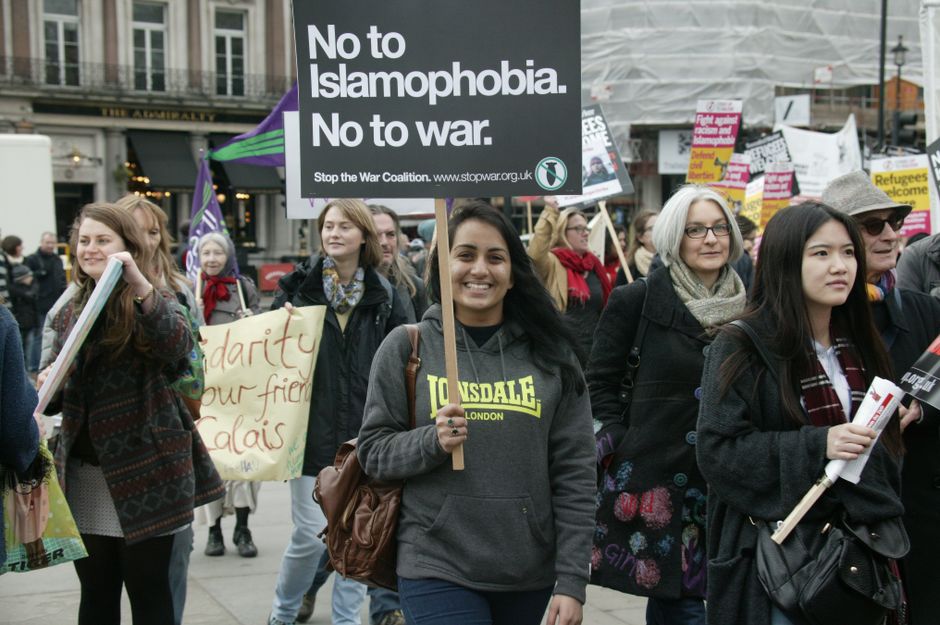
Category War: The Societal Scars of Zero-Sum Competition
The concept of "category war" extends far beyond mere market competition; it represents a fundamental societal dynamic where distinct groups, ideologies, or identities engage in a zero-sum struggle for dominance, resources, or recognition. This adversarial framework, fueled by perceived scarcity and existential threats, shapes social structures, political discourse, and individual psychology, often leading to polarization, conflict, and the erosion of collective well-being. Unlike collaborative endeavors where mutual gain is possible, category wars thrive on the notion that one group’s victory necessitates another’s defeat, creating a volatile environment ripe for exploitation by those who benefit from division. The underlying mechanisms often involve the construction of "us versus them" narratives, the demonization of the opposition, and the mobilization of in-group loyalty to justify increasingly extreme actions. Understanding the roots and manifestations of category war is crucial for comprehending contemporary societal challenges, from political tribalism to cultural clashes, and for developing strategies to mitigate their destructive consequences.
The origins of category war are deeply embedded in human history and psychology. Evolutionary drives for group cohesion and survival, while adaptive in prehistoric contexts, can be maladaptive in complex modern societies. When resources are perceived as limited, whether tangible (land, wealth) or intangible (status, attention), groups are more likely to engage in competitive strategies. This perception of scarcity can be exacerbated by economic downturns, social inequalities, or political instability, creating fertile ground for "othering." The "othering" process involves the deliberate construction of an out-group as fundamentally different, inferior, or threatening, thereby justifying prejudice and hostility. This psychological manipulation is often facilitated by leaders or influential figures who exploit existing anxieties and resentments to consolidate power or advance their agendas. Propaganda, misinformation, and emotional appeals play a significant role in solidifying these divisions, creating echo chambers where opposing viewpoints are not only rejected but actively demonized. The simplification of complex issues into binary choices – good versus evil, right versus wrong – further entrenches the zero-sum mentality, leaving little room for nuance or compromise.
Sociologically, category wars manifest in various forms, impacting social stratification, intergroup relations, and the distribution of power. In politics, this translates into intense partisan polarization, where compromise is viewed as betrayal and political opponents are treated as existential enemies. This can paralyze legislative processes, undermine democratic institutions, and foster widespread political apathy or, conversely, radicalization. The rise of identity politics, while often a necessary response to historical marginalization, can inadvertently contribute to category wars if not managed carefully. When group identity becomes the sole prism through which political and social issues are viewed, it can lead to rigid boundaries and an unwillingness to engage with those outside one’s own category. This can be seen in ethnic conflicts, religious wars, and even ideological battles that transcend national borders. The economic sphere is not immune. Businesses often engage in fierce competition, but when this escalates into "category wars," it can involve unethical practices, predatory pricing, and attempts to eliminate rivals rather than simply outcompete them. This can lead to monopolies, reduced consumer choice, and economic instability.
The media plays a pivotal role in amplifying and perpetuating category wars. Sensationalism, clickbait, and the pursuit of engagement often lead news outlets to frame issues in adversarial terms, highlighting conflict and outrage. Algorithms designed to keep users online can create filter bubbles and echo chambers, reinforcing pre-existing beliefs and limiting exposure to diverse perspectives. This curated reality exacerbates polarization, making it harder for individuals to understand or empathize with those on the other side of a given divide. Social media platforms, in particular, have become potent engines for category wars, providing a stage for the rapid dissemination of inflammatory content, the formation of online mobs, and the amplification of extreme voices. The anonymity afforded by some platforms can embolden individuals to engage in aggressive and hateful rhetoric that they would not otherwise express in face-to-face interactions. The gamification of online discourse, where likes, shares, and retweets are treated as metrics of validation, further incentivizes provocative and divisive content.
The impact of category wars on individual psychology is profound and often detrimental. Constant exposure to conflict and perceived threats can lead to increased stress, anxiety, and a chronic state of hypervigilance. Individuals may experience a decline in their capacity for critical thinking and open-mindedness, becoming increasingly entrenched in their own group’s narratives. This can result in a loss of empathy, making it difficult to recognize the humanity and legitimate concerns of those in opposing categories. The psychological toll can also manifest as anger, resentment, and a pervasive sense of disillusionment. In extreme cases, prolonged exposure to category war rhetoric can contribute to radicalization and the adoption of extremist ideologies, as individuals seek belonging and purpose within a tightly defined, ideologically pure group. The constant need to defend one’s category and attack the opposition can also lead to a loss of individual agency, with people’s beliefs and actions dictated by the prevailing sentiment within their chosen group.
Addressing and mitigating category wars requires a multi-faceted approach that tackles their underlying causes and fosters more constructive forms of social interaction. Education is a critical component. Promoting critical thinking skills, media literacy, and an understanding of historical and psychological factors that contribute to division can equip individuals to resist manipulation and engage with complex issues more thoughtfully. Encouraging intergroup dialogue and fostering opportunities for genuine human connection across perceived divides are also essential. This can involve community initiatives, cultural exchange programs, and the promotion of shared experiences that transcend group boundaries. Political leadership plays a crucial role in either exacerbating or de-escalating category wars. Leaders who consistently employ divisive rhetoric and demonize opponents contribute to the problem, while those who champion unity, compromise, and evidence-based policymaking can help shift the societal narrative. The development of robust regulatory frameworks for media and social media platforms to combat misinformation and hate speech is also necessary, though this must be balanced with protections for freedom of expression.
Furthermore, addressing economic inequalities and resource scarcity is vital, as these often serve as potent catalysts for category wars. When people feel secure and have access to opportunities, they are less susceptible to narratives of scarcity and division. Promoting a sense of shared destiny and collective responsibility, rather than zero-sum competition, can help to foster a more resilient and cohesive society. This involves highlighting common goals and shared values that unite people, even amidst diversity. The recognition that many societal challenges are complex and require collaborative solutions, rather than simple victories for one group over another, is a fundamental shift needed to move away from the destructive dynamics of category war. Ultimately, escaping the cycle of category war demands a conscious and sustained effort to cultivate empathy, critical thinking, and a commitment to shared human flourishing.
The long-term consequences of unchecked category wars are devastating. Societies become fractured, trust erodes, and the capacity for collective action on critical issues like climate change, pandemics, or economic crises is severely diminished. The energy and resources that could be channeled into innovation, progress, and mutual improvement are instead consumed by internal conflict. International relations can also be destabilized, as nationalistic category wars spill over into geopolitical tensions and proxy conflicts. The normalization of aggressive rhetoric and the erosion of civility create a climate where progress becomes increasingly difficult, and the potential for widespread social unrest or even violence escalates. The very fabric of democratic societies is threatened when citizens view each other not as fellow inhabitants with differing perspectives, but as enemies to be vanquished.
The economic implications of category wars are also significant. Instead of fostering healthy competition that drives innovation and benefits consumers, these wars can lead to market distortions, rent-seeking behavior, and a focus on adversarial tactics over genuine value creation. Industries that become embroiled in such conflicts may see reduced investment, increased legal costs, and a decline in overall productivity. The creation of artificial monopolies or the suppression of legitimate innovation through aggressive tactics can stifle economic growth and ultimately harm the broader economy. Consumers often bear the brunt of these wars through higher prices, lower quality goods and services, and a lack of genuine choice. The pursuit of a zero-sum victory can blind businesses to the long-term benefits of collaboration and a healthy, competitive ecosystem.
In conclusion, category war is not merely a metaphor for intense competition; it represents a dangerous and pervasive societal dynamic that undermines social cohesion, damages individual well-being, and hinders collective progress. Its roots lie in primal psychological drives amplified by perceived scarcity and skillfully exploited by those who benefit from division. The pervasive influence of media, the structure of online platforms, and the polarization of political discourse all contribute to its entrenchment. Overcoming category wars requires a conscious, multi-pronged effort involving education, intergroup dialogue, responsible leadership, and a fundamental shift in societal focus from zero-sum competition to collaborative problem-solving and the recognition of shared humanity. The alternative is a future characterized by perpetual conflict, missed opportunities, and the slow, corrosive erosion of societal progress.
