
Harmful Reforestation Planting Trees In The Wrong Area Can Be Damaging
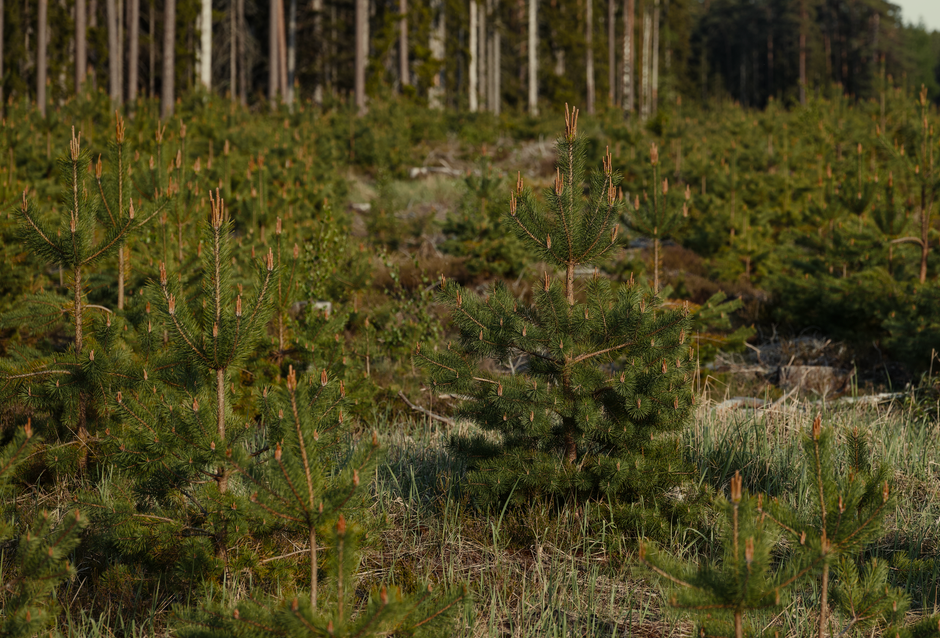
Harmful Reforestation: The Perils of Planting Trees in the Wrong Place
The global imperative to combat climate change and restore degraded landscapes has propelled reforestation efforts to the forefront of environmental agendas. Millions are invested annually in planting trees, with the widespread perception that more trees invariably equate to a healthier planet. However, this simplistic equation overlooks a critical and increasingly recognized truth: planting trees in the wrong place can be profoundly damaging. Uninformed or poorly executed reforestation initiatives, driven by well-intentioned but misguided strategies, can disrupt delicate ecosystems, exacerbate biodiversity loss, and even contribute to climate warming, fundamentally undermining the very goals they aim to achieve. The uncritical application of tree-planting as a universal panacea is a dangerous oversimplification that demands urgent re-evaluation and a more nuanced, ecologically informed approach.
The fundamental flaw in many harmful reforestation projects lies in the failure to distinguish between genuine restoration and the mere establishment of tree cover. Restoration implies returning an ecosystem to a state that closely resembles its historical, naturally functioning condition, including its characteristic species composition, structure, and ecological processes. Tree planting, on the other hand, can simply mean increasing the density of woody vegetation, irrespective of whether that vegetation is native, appropriate for the local climate and soil conditions, or beneficial to the existing ecosystem. This distinction is crucial. For instance, planting fast-growing, non-native eucalyptus or pine species on grassland savannas, which are naturally fire-adapted and support unique biodiversity, can lead to the eradication of native herbaceous plants, the displacement of grazing animals, and the alteration of hydrological cycles. These plantings, while increasing carbon sequestration, transform a vibrant, functioning ecosystem into a monoculture forest, resulting in a net loss of biodiversity and ecological resilience.
One of the most significant dangers of misguided reforestation is the destruction of existing, valuable ecosystems. Many landscapes that are currently treeless are not necessarily degraded but are naturally treeless ecosystems, such as grasslands, savannas, peatlands, and shrublands. These habitats often harbor unique and specialized biodiversity that is adapted to open conditions and may be outcompeted and driven to extinction by the introduction of trees. For example, the expansion of forests into peatlands, especially in the tropics, can have catastrophic consequences. Peatlands are vital carbon sinks, storing vast amounts of carbon in their waterlogged soils. When drained and forested, they release this carbon into the atmosphere, becoming significant sources of greenhouse gas emissions. Furthermore, the conversion of peatlands disrupts their unique hydrological regimes, impacting water availability for surrounding communities and reducing their capacity to filter water. The loss of peatland biodiversity, including specialized flora and fauna, is another irreparable damage.
The concept of "rewilding" and the push to re-establish forest cover have, in some instances, led to the inappropriate planting of trees in arid and semi-arid regions. These environments are characterized by low rainfall, high evaporation rates, and soils that are often saline or nutrient-poor, making them inherently unsuitable for widespread tree growth. Introducing trees in such areas can lead to a phenomenon known as "desert greening," which, while seemingly positive, can have detrimental ecological impacts. Trees compete fiercely for limited water resources, lowering the water table and drying out the soil. This can lead to the demise of existing drought-tolerant vegetation, such as grasses and shrubs, which are crucial for supporting the adapted fauna of these regions. The removal of these native species can destabilize the soil, leading to increased erosion by wind and water, and ultimately contributing to further desertification. Moreover, the energy required to maintain these artificially supported trees in such harsh conditions can outweigh their carbon sequestration benefits.
Monoculture plantations, even if composed of native species, can also be detrimental. While they may appear as forests, they often lack the structural and species diversity of natural woodlands. Natural forests are mosaics of different tree ages and species, with a complex understory of shrubs, herbs, and fungi, and a rich invertebrate and vertebrate community. Monoculture plantations, conversely, are often even-aged and comprised of a single species, creating a simplified habitat that supports fewer species and is more vulnerable to pests and diseases. This reduced biodiversity weakens the overall resilience of the landscape. Furthermore, commercial monocultures are often managed for timber extraction, involving practices like frequent thinning, harvesting, and the use of herbicides, which can further degrade soil health, disrupt wildlife corridors, and diminish the ecological value of the area. The focus on timber production can overshadow the broader ecological benefits of a diverse and functioning forest ecosystem.
The introduction of invasive tree species represents another significant threat to biodiversity and ecosystem integrity. Driven by a desire for rapid growth or perceived aesthetic appeal, many reforestation projects have introduced non-native trees that can outcompete and displace native flora. These invasive species can alter soil chemistry, change fire regimes, and create dense thickets that exclude native plants and animals. Examples include the widespread planting of Australian acacias in South Africa, which have invaded grasslands and riverine areas, outcompeting native vegetation and altering hydrological processes. Similarly, the introduction of certain pine species in other parts of the world has led to the degradation of native ecosystems. Once established, invasive species are notoriously difficult and expensive to control, often requiring long-term management interventions that can be ecologically disruptive in themselves.
The carbon sequestration potential of trees is a primary driver of reforestation efforts, but the assumptions underpinning this can be flawed. While trees undoubtedly absorb CO2, the net climate benefit of a reforestation project is not solely determined by the amount of carbon stored. The impact on other greenhouse gases, such as methane and nitrous oxide, must also be considered. For instance, the conversion of peatlands to forests can lead to significant net emissions of greenhouse gases. Similarly, the disruption of natural hydrological cycles by inappropriate tree planting can affect the radiative forcing of the atmosphere, influencing local and regional climate patterns. Furthermore, if trees are planted in areas prone to severe fires, the stored carbon can be rapidly released back into the atmosphere, negating any long-term climate benefits. The lifecycle emissions associated with tree planting, including transportation of seedlings, machinery use, and potential future harvesting, also need to be factored into a comprehensive carbon accounting.
Ecological connectivity is a vital component of healthy landscapes, and poorly planned reforestation can fragment existing habitats. Even if the planted trees are native, their placement can disrupt wildlife corridors, impede the movement of species, and isolate populations. For example, planting dense forests in areas that were historically important for migratory birds or large mammals can create barriers to their movement, leading to reduced gene flow and increased vulnerability. Conversely, leaving strategic open spaces or planting along riparian corridors can enhance connectivity. The failure to consider landscape-level planning and the existing ecological networks can lead to reforestation efforts that inadvertently degrade the very biodiversity they aim to protect. Integrated landscape approaches that consider the needs of both flora and fauna are essential for successful and beneficial reforestation.
The role of fire in many ecosystems is often misunderstood or ignored in reforestation planning. Many ecosystems, such as Mediterranean scrublands, savannas, and boreal forests, are fire-adapted and rely on periodic fires for regeneration and maintaining their characteristic species composition. Introducing dense tree cover where fire was a natural component can suppress fire, leading to the accumulation of fuel and the risk of more intense, destructive wildfires in the future. Moreover, the suppression of natural fire regimes can lead to the decline of fire-dependent species. Conversely, in some cases, reforestation projects might inadvertently increase fire risk if they are not designed with fire management in mind. For example, planting flammable tree species in fire-prone areas without adequate fire breaks or management plans can exacerbate the problem.
Soil health is another critical factor often overlooked. Trees play a vital role in soil formation and health when they are in the right place. However, planting trees on degraded soils without proper preparation or species selection can lead to soil compaction, nutrient depletion, and erosion. For instance, introducing heavy machinery for planting or maintenance can compact the soil, hindering water infiltration and root growth. Furthermore, if the planted trees are not well-suited to the soil conditions, they may not establish effectively, leading to seedling mortality and wasted resources. In some cases, inappropriate tree planting can even exacerbate soil degradation by increasing waterlogging or salinity. Restoration of soil health should be a prerequisite or integral component of any reforestation project.
The economic drivers behind some reforestation projects can also lead to harmful outcomes. When projects are driven by carbon credit markets or timber revenue, there is a strong incentive to maximize tree density and growth rates, often at the expense of ecological diversity and integrity. This can lead to the prioritization of fast-growing, commercially valuable species, even if they are not the most ecologically appropriate. The focus on short-term economic gains can overshadow the long-term ecological and social benefits of a more diverse and resilient ecosystem. Transparent governance, robust monitoring, and a commitment to ecological principles over purely financial incentives are crucial to avoid these pitfalls.
In conclusion, while the ambition to reforest our planet is commendable, the execution requires a paradigm shift. The simplistic notion that more trees always equal a healthier planet is demonstrably false. Harmful reforestation, characterized by the planting of trees in inappropriate locations, the destruction of existing valuable ecosystems, the introduction of invasive species, and the neglect of ecological processes, poses a significant threat to biodiversity and climate resilience. Moving forward, reforestation efforts must be guided by rigorous scientific understanding of local ecosystems, prioritize ecological restoration over mere tree cover, embrace biodiversity and landscape-level planning, and be free from the undue influence of short-term economic considerations. The future of our planet hinges on planting the right trees, in the right places, for the right reasons.
