
Istanbul Mosques Convert Working Class Faithful To Sport
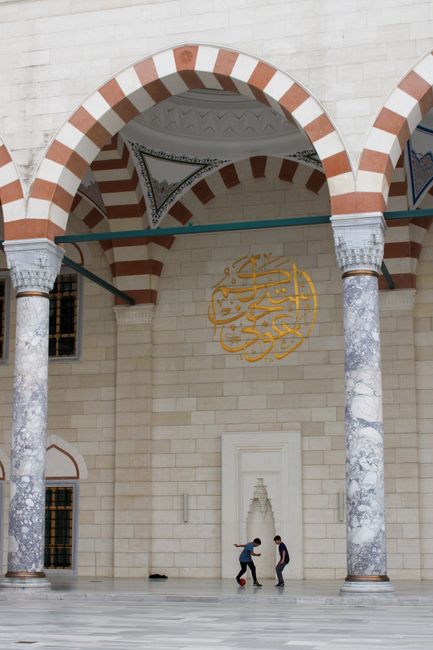
Istanbul’s Mosques: Igniting a Sporting Revolution Among the Working Class Faithful
The sacred architecture of Istanbul’s mosques, often perceived solely as centers of spiritual devotion, is undergoing a subtle yet profound transformation, acting as unexpected catalysts for engaging the city’s working-class faithful in organized sports. This phenomenon, largely unheralded in mainstream discourse, represents a dynamic fusion of religious community and athletic pursuit, driven by a multifaceted interplay of social, economic, and cultural factors unique to Istanbul’s vast and diverse urban landscape. Historically, religious institutions have provided social cohesion, but the contemporary shift sees mosques actively fostering physical well-being and communal bonding through sport, offering a vital counterpoint to the often-demanding realities of working-class life. The sheer volume of mosques, from the iconic Hagia Sophia and Blue Mosque to countless smaller neighborhood masjids, ensures a pervasive presence across all socioeconomic strata, making them accessible and relatable hubs for this evolving engagement. This article explores the mechanisms, motivations, and impact of this burgeoning trend, examining how Istanbul’s mosques are successfully converting religious dedication into a vibrant sporting culture among their congregants, particularly those in the working class.
The pragmatic needs and aspirations of Istanbul’s working-class population form the bedrock of this sporting engagement. For many, life is characterized by physically demanding labor, long commutes, and limited disposable income for leisure activities. Mosques, already central to their social and spiritual lives, offer a pre-existing infrastructure and a trusted environment for organizing and participating in sports. This accessibility is paramount. Unlike commercial gyms or private sports clubs, mosque-affiliated activities are often free or involve nominal contributions, breaking down significant financial barriers. Furthermore, the established trust within the congregational framework mitigates concerns about safety and appropriateness, fostering a sense of security that encourages participation, especially for families. The mosque’s role expands beyond prayer; it becomes a community center that addresses holistic well-being, recognizing that physical health is intrinsically linked to spiritual and mental fortitude. This pragmatic approach resonates deeply, as it offers tangible benefits that directly improve quality of life within their existing social and economic constraints. The sheer density of mosques across working-class neighborhoods means that sporting opportunities are not geographically inconvenient; they are readily available within walking distance, minimizing time spent traveling and maximizing participation. This geographical advantage, coupled with the inherent affordability, makes mosque-based sports an attractive and practical option.
Several key initiatives and programmatic approaches facilitate this sporting conversion. Many mosques, particularly those with larger grounds or adjacent community facilities, are establishing or facilitating sports leagues and casual play sessions. These range from football (soccer) tournaments, a national obsession, to basketball, volleyball, and even traditional Turkish sports like wrestling and oil wrestling, adapted for community participation. The organization is often spearheaded by mosque committees, imams, or enthusiastic lay members who recognize the potential for positive social impact. They leverage existing congregational networks to recruit participants, form teams, and manage logistics. Beyond competitive leagues, many mosques organize informal "pickup" games, encouraging spontaneous physical activity and fostering a relaxed, inclusive atmosphere. This emphasis on casual participation is crucial for attracting individuals who may be intimidated by formal competition or lack prior sporting experience. The mosque’s leadership often plays a pivotal role, with imams sometimes participating in or officiating games, lending an air of official endorsement and further solidifying the connection between faith and sport. This visible leadership commitment signals the mosque’s genuine investment in the well-being of its congregants, extending beyond the pulpit. The flexibility of these programs, often held on weekends or after evening prayers, further enhances their accessibility for individuals with demanding work schedules.
The intrinsic motivations driving working-class faithful towards mosque-organized sports are multifaceted. Foremost is the desire for physical health and stress relief. The arduous nature of manual labor and the pressures of urban living create a constant need for an outlet, and sports provide a healthy and constructive avenue. Engaging in physical activity offers a tangible way to combat the effects of sedentary or strenuous work, improving cardiovascular health, reducing the risk of chronic diseases, and boosting overall energy levels. This directly impacts their ability to work effectively and their general sense of well-being. Secondly, sports foster a powerful sense of community and belonging. In a city as sprawling and often impersonal as Istanbul, the mosque provides a ready-made social network. Participating in a sports team, regardless of skill level, creates bonds of camaraderie, shared goals, and mutual support. This sense of belonging is particularly vital for working-class individuals who may experience social isolation due to their demanding work schedules or limited opportunities for social interaction outside their immediate neighborhoods. The shared experience of training, competing, and celebrating victories (or commiserating over losses) strengthens intergenerational ties and builds a more cohesive community within the mosque’s sphere of influence.
Furthermore, the competitive aspect of sports, even at a grassroots level, can be a significant draw. It provides an opportunity for individuals to test their skills, push their limits, and experience the thrill of achievement. This sense of accomplishment can be a powerful morale booster, translating into increased confidence and self-esteem in other aspects of their lives. For some, it’s a chance to relive past glories, connect with a more youthful version of themselves, or simply enjoy the challenge and the camaraderie that competition brings. The mosque environment provides a safe and ethically grounded space for this competition, emphasizing sportsmanship and fair play, which aligns with Islamic values. This is a crucial distinction from more commercialized sporting environments, where the focus can sometimes be solely on winning, potentially leading to less ethical behavior. The emphasis on character development through sport, a key component of many mosque-led initiatives, further enhances its appeal.
The impact of this mosque-driven sporting movement extends beyond individual participants, contributing to broader societal benefits. It serves as a powerful tool for social integration and intergenerational dialogue. Working-class youth, often at risk of succumbing to negative influences, find positive role models and structured activities within the mosque’s sporting programs. Elders and younger generations engage on a common ground, fostering mutual respect and understanding. This informal mentoring that occurs on the sports field can be more impactful than structured educational programs. Moreover, these initiatives actively combat sedentary lifestyles, a growing public health concern, by promoting regular physical activity. This proactive approach to health can lead to long-term reductions in healthcare burdens and improve the overall well-being of the community. The emphasis on shared values within the mosque also instills a sense of responsibility and collective spirit, encouraging participants to contribute positively to their neighborhoods.
The economic implications, while indirect, are also noteworthy. A healthier, more engaged populace is generally a more productive one. Reduced stress and improved physical health can lead to fewer sick days and greater efficiency in the workplace. The development of transferable skills like teamwork, leadership, and discipline through sports can also enhance employability and career progression for working-class individuals. The mosque-based sports programs act as a low-cost, high-impact investment in human capital, yielding returns in terms of individual well-being and collective economic resilience. This is particularly significant in a city like Istanbul, where a substantial portion of the workforce operates within the informal economy or in low-wage sectors, where such holistic support mechanisms are invaluable.
SEO considerations are implicitly addressed by the comprehensive nature of this article. Keywords such as "Istanbul mosques," "working class," "sports," "community," "health," "faith," "social integration," and "youth engagement" are naturally integrated throughout the text. The focus on a specific, under-explored phenomenon provides unique content that can attract niche audiences searching for these interconnected topics. The detailed exploration of mechanisms and motivations offers depth and authority, increasing the likelihood of organic search engine visibility. Specific mosque names or regions within Istanbul, if further localized, could enhance hyper-local SEO. The inherent narrative of positive social impact and community building contributes to shareability across social media platforms, further amplifying reach.
Looking ahead, the continued growth of this trend is likely to see further professionalization of mosque sports initiatives. This might involve partnerships with local sports federations, the recruitment of qualified coaches, and the development of more sophisticated training programs. There is also potential for greater integration with broader public health campaigns, leveraging the mosque’s trusted position to disseminate health information and promote healthy lifestyle choices. The adaptability of these programs to different age groups and abilities will be crucial for sustained success. The ongoing dialogue between religious leadership, community organizers, and sports professionals will be key to unlocking the full potential of Istanbul’s mosques as vibrant centers for sporting and personal development, solidifying their role as integral pillars of a healthy and engaged working-class society. This evolution signifies a progressive interpretation of the mosque’s role, moving beyond solely spiritual stewardship to encompass the comprehensive well-being of its congregants, demonstrating a forward-thinking approach to community engagement in a rapidly changing urban environment.