
Real Madrid Take Top Spot In Football S Money League
Real Madrid Ascends to the Pinnacle: Dominating Football’s Money League with Unprecedented Financial Power
Real Madrid has officially cemented its position as the undisputed financial titan of global football, reclaiming the coveted top spot in Deloitte’s prestigious Football Money League. This seismic shift, detailed in the 27th edition of the report, signifies more than just a temporary ascendancy; it represents a strategic and sustained financial dominance that has placed Los Blancos at the apex of the sport’s commercial landscape. Their return to the summit, after a period where rivals briefly held the crown, is a testament to their enduring brand power, astute commercial operations, and unparalleled success on the pitch, which consistently fuels their revenue streams. The club’s ability to consistently generate substantial income across all its revenue categories – matchday, broadcast, and commercial – has allowed them to weather economic storms and outmaneuver competitors in the ongoing battle for financial supremacy. This article will delve deep into the intricate financial mechanisms that have propelled Real Madrid to the top, dissecting their revenue generation strategies, the impact of their on-field achievements, and the broader implications for the future of football finance.
The primary driver behind Real Madrid’s return to number one is a remarkable surge in their commercial revenue. This category, often the most volatile and competitive, has seen the club excel through a combination of evergreen sponsorship deals, innovative merchandising strategies, and the ever-growing influence of their global brand. Their commercial income has reached staggering heights, surpassing that of any other club in world football. This success is not accidental; it’s the result of years of meticulous planning and cultivation of relationships with major global brands. Partnerships with entities like Adidas, Emirates, and HP are not merely transactional; they are deeply integrated collaborations that leverage Real Madrid’s immense global reach and passionate fanbase. The club’s ability to consistently attract and retain these high-value sponsors speaks volumes about their marketability and the perceived return on investment they offer. Beyond traditional sponsorships, Real Madrid has also been proactive in diversifying its commercial activities. The expansion of their retail operations, including official club stores and online merchandise platforms, has proven highly lucrative, tapping into the fervent desire of fans worldwide to connect with their club through tangible products. Furthermore, the club has masterfully leveraged its digital platforms to create unique fan experiences and monetize engagement, a critical component in today’s data-driven commercial environment. This comprehensive approach to commercialization, encompassing both established and emerging revenue streams, has provided Real Madrid with a robust and resilient financial foundation.
Broadcast revenue remains another cornerstone of Real Madrid’s financial might. While the intricacies of broadcast rights deals are complex and often national in scope, Real Madrid’s consistent qualification for, and deep runs in, the UEFA Champions League are instrumental. The prestige and commercial appeal of this elite competition provide a significant and reliable income stream, with the club consistently benefiting from its share of prize money and broadcasting revenues distributed by UEFA. The sheer number of global viewers that tune in to watch Real Madrid participate in these high-stakes matches translates directly into substantial broadcast revenue. Their historical success in the Champions League, evidenced by their record number of titles, creates a virtuous cycle. The more they perform well, the more attractive they are to broadcasters and sponsors of the competition, further enhancing their financial returns. This success also amplifies their appeal to domestic broadcasters, who recognize the immense viewership figures generated by La Liga matches featuring Real Madrid. The club’s ability to consistently deliver on the European stage acts as a powerful engine, driving both their sporting aspirations and their financial prosperity. The long-term implications of this sustained presence in top-tier European competition cannot be overstated. It not only provides immediate financial rewards but also solidifies their status as a premier global football brand, attracting further investment and sponsorship opportunities.
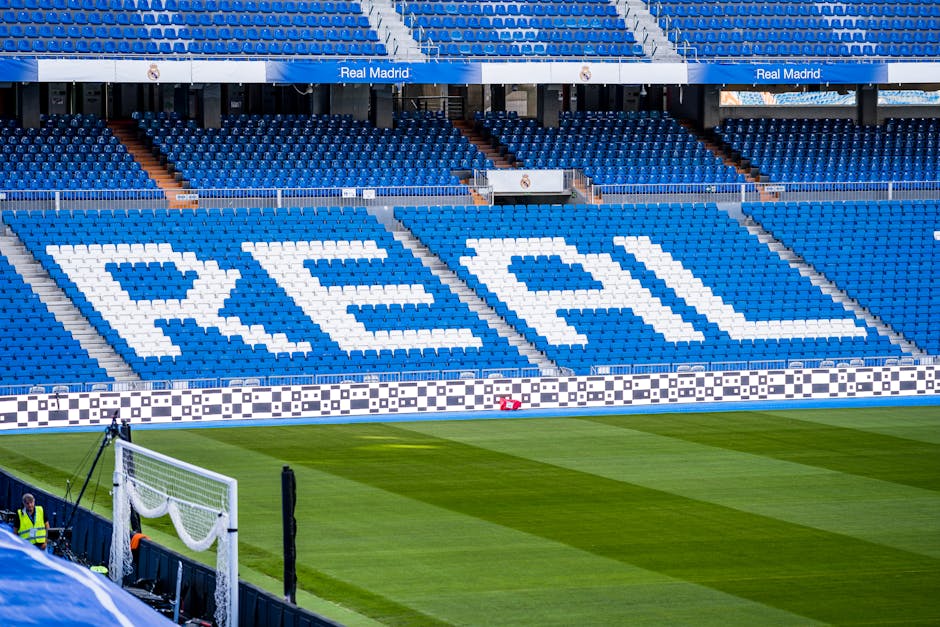
Matchday revenue, traditionally a significant income generator for football clubs, also plays a crucial role in Real Madrid’s financial dominance. Santiago Bernabéu, their iconic home stadium, is consistently packed to capacity for league and European fixtures. This unwavering fan support translates into substantial income from ticket sales, hospitality packages, and in-stadium concessions. The recent extensive renovation of the Santiago Bernabéu is a strategically vital investment designed to further bolster matchday revenue in the coming years. The modernized stadium boasts enhanced hospitality facilities, premium seating options, and a significantly improved fan experience, all of which are geared towards maximizing revenue per attendee. This redevelopment is not just about aesthetics; it’s about optimizing the economic potential of their home ground. The ability to host concerts, other sporting events, and various corporate functions within the state-of-the-art facility opens up new and significant revenue streams beyond traditional football matches. This diversification of stadium usage ensures that the Bernabéu becomes a year-round revenue-generating asset, a testament to Real Madrid’s forward-thinking financial strategy. The club’s understanding of its fanbase’s dedication, combined with a commitment to providing an unparalleled matchday experience, ensures that this revenue stream remains a consistent and formidable contributor to their overall financial success. The financial implications of such a modernized venue are substantial, allowing Real Madrid to further distance themselves from competitors who may not possess comparable infrastructure or the foresight to invest in such transformative projects.
The symbiotic relationship between on-field success and financial prosperity is acutely evident at Real Madrid. Their unparalleled history of winning major trophies, most notably the UEFA Champions League, acts as a powerful catalyst for their financial growth. Each trophy won not only brings immense prestige and global recognition but also unlocks substantial prize money, broadcast bonuses, and sponsorship incentives. This creates a self-perpetuating cycle of success: on-field triumphs lead to greater financial resources, which in turn allow the club to invest in top talent and infrastructure, further enhancing their chances of future success. The psychological impact of consistently winning cannot be overstated. It breeds confidence within the squad, attracts the best players and coaches, and crucially, captivates a global audience. This global appeal is then expertly translated into commercial opportunities, as brands vie to associate themselves with a winning entity. The narrative of Real Madrid as a perennial winner is a core component of their brand identity, and this narrative is directly quantifiable in their financial statements. The club’s ability to consistently perform at the highest level, year after year, is not merely a sporting achievement; it is a fundamental pillar of their financial strength and their position at the pinnacle of football’s money league.
Looking beyond the immediate figures, Real Madrid’s dominance in the Money League carries significant implications for the broader football landscape. Their financial power allows them to outbid competitors for elite talent, invest heavily in world-class infrastructure, and exert considerable influence within football’s governing bodies. This creates a competitive imbalance, raising questions about the long-term sustainability of a more equitable financial distribution within the sport. Clubs with less robust commercial operations or less consistent on-field success face an increasingly challenging environment. The gap between the elite few and the chasing pack is widening, fueled by the immense revenue-generating capabilities of clubs like Real Madrid. This can lead to a concentration of talent and resources at a select number of clubs, potentially diminishing the competitive balance and unpredictability that many fans cherish. The "European Super League" debate, though currently dormant, highlighted the underlying tensions surrounding financial disparities in football. Real Madrid’s continued financial supremacy underscores the ongoing need for discussions and potential reforms aimed at fostering a more sustainable and competitive ecosystem for all clubs, not just the financial giants. The club’s ability to consistently generate such vast sums also sets a benchmark for other clubs, pushing them to innovate and adapt their own financial strategies to remain competitive in this increasingly demanding environment.
In conclusion, Real Madrid’s ascent to the top of Deloitte’s Football Money League is a multifaceted achievement, driven by a potent combination of shrewd commercial acumen, consistent sporting excellence, and strategic investment in infrastructure. Their ability to generate substantial revenue across all key streams – commercial, broadcast, and matchday – positions them as an unparalleled financial powerhouse in global football. The continuous development of the Santiago Bernabéu, coupled with their unwavering success in elite competitions like the UEFA Champions League, creates a virtuous cycle that fuels their financial dominance. While their position at the pinnacle presents a compelling case study in financial success, it also prompts important conversations about competitive balance and the future of football finance, highlighting the ever-widening chasm between the financially elite and the rest of the sport.
