
German Football Legend Franz Beckenbauer Dies Aged
Franz Beckenbauer Dies Aged 78: A Legacy Forged in Grace, Dominance, and Unparalleled Achievement
The football world mourns the profound loss of Franz Beckenbauer, affectionately known as "Der Kaiser," who passed away at the age of 78. His departure marks the end of an era, extinguishing a luminary whose influence transcended mere playing ability. Beckenbauer was a revolutionary, a tactical innovator, and a figure of immense charisma and enduring respect. His impact on the game, both as a player and a manager, is etched indelibly into its history, shaping its evolution and setting benchmarks that continue to inspire. From his elegant ball-playing prowess as a libero to his astute managerial acumen, Beckenbauer personified the very essence of German football excellence, leaving behind a legacy defined by unparalleled success and an enduring appreciation for his unique genius.
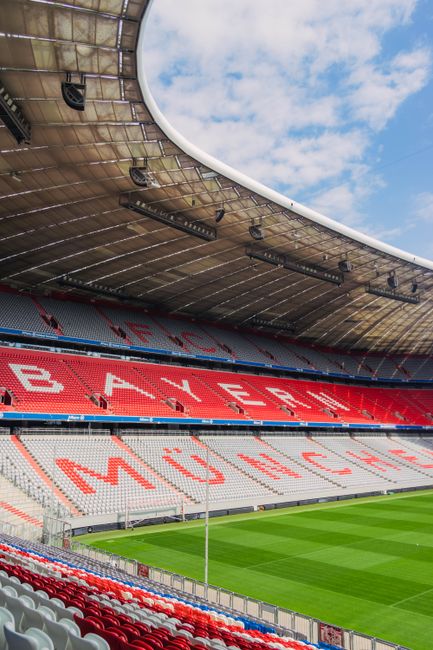
Born on September 11, 1945, in Munich, West Germany, Franz Beckenbauer’s footballing journey began at FC Bayern Munich, the club that would become inextricably linked with his name. His debut for the senior team in 1964 marked the dawn of a new footballing philosophy. Beckenbauer was not merely a defender; he was the architect of play from the back, a libero who seamlessly transitioned between defensive duties and offensive surges. This role, which he redefined and popularized, allowed him to dictate the tempo of the game, initiating attacks with sublime passing range and an almost balletic grace. His vision, composure under pressure, and technical mastery were exceptional, setting him apart from his peers and establishing him as one of the greatest players of his generation.
Beckenbauer’s impact at Bayern Munich was nothing short of transformative. He captained the club to unprecedented success, leading them to three consecutive European Cup titles (1974, 1975, 1976), a feat that cemented their status as a European powerhouse. Domestically, he was instrumental in securing four Bundesliga titles and four DFB-Pokal (German Cup) victories. His leadership on the pitch was inspirational, a beacon of calm and authority that galvanized his teammates. He possessed an innate understanding of the game, an ability to read play several moves ahead, and the technical skill to execute his vision. This made him an indispensable asset to Bayern and a constant thorn in the side of opposing teams. The elegant sweep of his left foot, the intelligent positioning, and the calm authority with which he marshandled the defense became iconic.
On the international stage, Franz Beckenbauer achieved the pinnacle of success. He was a key figure in the West Germany team that won the 1972 European Championship, a tournament where his leadership and defensive brilliance were on full display. Two years later, he captained West Germany to their momentous 1974 FIFA World Cup triumph on home soil, defeating a formidable Netherlands side in the final. This victory was not only a sporting triumph but also a significant moment of national pride for a country still grappling with its post-war identity. Beckenbauer’s performance throughout the tournament, particularly his captaincy and inspirational leadership, solidified his legendary status. He was the embodiment of the West German spirit – resilient, determined, and supremely talented.
His international career continued to flourish, culminating in him becoming the first man to win the World Cup as both a player and a manager. After a brief but impactful stint playing in the North American Soccer League (NASL) for the New York Cosmos, where he further popularized the sport, Beckenbauer transitioned into management. His innate understanding of the game and his respected aura made him a natural successor to the dugout. He took the reins of the West German national team in 1984 and, in a remarkable testament to his enduring legacy, led them to victory in the 1990 FIFA World Cup in Italy. This achievement, a repeat of his playing triumph, etched his name even deeper into footballing folklore, marking him as one of the sport’s most versatile and successful figures.
Beckenbauer’s managerial philosophy mirrored his playing style: strategic, intelligent, and pragmatic. He understood the importance of team cohesion and tactical discipline, but he also fostered an environment where individual brilliance could flourish. His calm demeanor on the sidelines belied a sharp tactical mind, capable of making crucial adjustments that often proved decisive. The 1990 World Cup victory, in particular, was a masterclass in tactical management and inspirational leadership. He built a team that was both defensively solid and devastatingly effective on the counter-attack, culminating in a memorable final victory over Argentina.
Beyond his playing and managerial accomplishments, Franz Beckenbauer was also a highly influential figure in the administrative side of football. He served as president of Bayern Munich from 1994 to 2009 and later as president of the German Football Association (DFB). He played a pivotal role in Germany securing the hosting rights for the 2006 FIFA World Cup, an event widely praised for its organization and celebratory atmosphere, often referred to as the "Summer Fairytale." His vision and dedication extended beyond the pitch, contributing significantly to the growth and development of football in Germany and on the global stage.
Franz Beckenbauer was a true innovator, a player who redefined the role of the libero and introduced a new level of sophistication to defensive play. He possessed a unique blend of athleticism, intelligence, and technical skill that made him a joy to watch. His elegant style, his leadership qualities, and his unwavering commitment to excellence set him apart. He was a man who seemed to glide across the pitch, dictating play with effortless grace. His ability to read the game, anticipate his opponent’s moves, and initiate attacks from deep within his own half was unparalleled.
His career was not without its controversies, including allegations of corruption related to the bidding process for the 2006 World Cup. However, these issues, while significant, do not diminish the monumental impact he had on the sport. The overriding narrative of Beckenbauer’s life is one of extraordinary achievement and enduring influence. He was a global icon, recognized and revered by football fans across the world.
The nickname "Der Kaiser" was bestowed upon him for a reason. It reflected his regal presence on the field, his commanding authority, and his seemingly effortless superiority. He carried himself with a dignified aura, both as a player and as a public figure. He was a statesman of football, a man who could bridge divides and inspire a sense of unity. His passing leaves a void that will be difficult to fill. The memories of his breathtaking displays, his tactical masterclasses, and his indelible contributions to the beautiful game will continue to inspire generations of footballers and fans alike.
Franz Beckenbauer’s legacy is a multifaceted tapestry woven with threads of individual brilliance, team success, and visionary leadership. He was a man who embodied the very spirit of football, a player who elevated the game to an art form and a leader who guided his teams to historic triumphs. His influence will continue to resonate, a constant reminder of what is possible when talent, dedication, and an unwavering passion for the sport converge. The world of football is a lesser place without him, but his legend will undoubtedly live on.
