In a pivotal 6-3 decision, the Supreme Court on Wednesday revived a lawsuit filed by a U.S. Army veteran severely injured in a 2016 suicide bombing at Bagram Airfield in Afghanistan. The ruling overturns a lower court’s dismissal, asserting that military contractors are not automatically shielded from liability for state-law claims, even in active combat zones, if their actions were not authorized by the military. This landmark decision, authored by Justice Clarence Thomas, has significant implications for accountability in war zones and the complex relationship between government contractors and military operations.
The case centers on Winston Tyler Hencely, a former U.S. Army specialist who sustained a fractured skull and life-altering brain injuries when a Taliban operative, employed by the military contractor Fluor Corporation, detonated a suicide vest. Hencely’s confrontation with the bomber, who was working for Fluor, directly led to the explosion. According to Hencely’s lawsuit and supported by the U.S. military, Fluor’s alleged negligence in retaining and supervising the attacker was not authorized by the military and even contravened specific instructions given to the contractor for operating on the base. This alleged breach of duty, and the resulting severe injuries, forms the crux of the legal battle.
The Legal Battle: Battlefield Preemption and Contractor Liability
At the heart of the legal dispute was the concept of "battlefield preemption." This legal theory, argued by the defense, posited that claims arising from activities in combat zones, particularly those involving military contractors, should be preempted by federal military law, thereby barring state-law tort claims. The lower court had initially embraced this argument, dismissing Hencely’s lawsuit.
However, the Supreme Court’s majority opinion, penned by Justice Thomas and joined by Justices Sonia Sotomayor, Elena Kagan, Neil Gorsuch, Amy Coney Barrett, and Ketanji Brown Jackson, emphatically rejected this broad interpretation of battlefield preemption. The majority concluded that military contractors are not granted an automatic immunity from liability. Instead, their protection hinges on whether their conduct was indeed authorized by the U.S. military. The opinion stated, "We vacate the judgment of the Fourth Circuit and remand the case for further proceedings consistent with this opinion."

The majority’s reasoning underscored a critical distinction: when a contractor’s actions exceed the scope of military authorization or even violate explicit military directives, they cannot claim immunity simply because the events occurred in a war zone. This ruling clarifies that while the exigencies of war demand flexibility and support from contractors, this does not equate to a blanket waiver of accountability for negligence or misconduct that is not sanctioned or directed by the military itself.
Chronology of the Case
- 2016: Winston Tyler Hencely, a U.S. Army specialist, is severely injured in a suicide bombing at Bagram Airfield, Afghanistan. The bomber is identified as a Taliban operative working for Fluor Corporation, a military contractor. Hencely suffers a fractured skull and brain injuries.
- Post-Incident: Hencely initiates legal action against Fluor Corporation, filing state-law tort claims alleging negligent retention and supervision of the bomber.
- Lower Court Ruling: The lower court dismisses Hencely’s lawsuit, citing the doctrine of "battlefield preemption," which would have barred state-law claims tied to combat activities.
- Supreme Court Appeal: Hencely, with support from the U.S. military in arguing that Fluor’s actions were not authorized, appeals the lower court’s decision to the Supreme Court.
- Supreme Court Decision (Wednesday): The Supreme Court, in a 6-3 decision, overturns the lower court’s ruling, allowing Hencely’s lawsuit to proceed. Justice Clarence Thomas writes the majority opinion. Justices Samuel Alito, Chief Justice John Roberts, and Justice Brett Kavanaugh dissent.
Background: The Role of Military Contractors in War Zones
The increasing reliance on private military contractors in modern warfare has created complex legal and ethical landscapes. Contractors perform a wide array of functions, from logistics and security to maintenance and even specialized support roles, often operating alongside or in direct support of U.S. military forces. Bagram Airfield, a major U.S. military base in Afghanistan, was a hub of such operations, necessitating the presence of numerous contractors.
The use of contractors is often justified by the need for specialized skills, flexibility, and to alleviate the burden on uniformed personnel. However, their actions, or inactions, can have profound consequences for both military personnel and civilians. The legal question of contractor liability has been a contentious issue, particularly when harm arises from their activities in high-risk environments. This Supreme Court ruling directly addresses the accountability of these private entities, asserting that their contractual relationship with the government does not grant them impunity from negligence claims.
Supporting Data and Context

The scale of contractor involvement in conflicts like the one in Afghanistan is substantial. While precise figures fluctuate, in recent years, the U.S. government has contracted billions of dollars annually for services in war zones. These contracts often involve personnel performing critical functions that, if mishandled, can lead to catastrophic outcomes.
The incident at Bagram Airfield highlights the inherent dangers present even within supposedly secure military installations. Suicide bombings, though often attributed to enemy combatants, can also be facilitated by internal vulnerabilities or individuals embedded within the workforce. In this case, the alleged negligence of a contractor in vetting or supervising its employees is central to the lawsuit. The U.S. military’s stated position that Fluor’s conduct was unauthorized is a crucial element, suggesting that the contractor may have acted beyond the agreed-upon operational parameters and safety protocols.
Reactions and Implications
While the dissenting justices’ opinions were not detailed in the initial report, their disagreement signals the profound legal and policy questions at stake. The majority’s decision is likely to be viewed favorably by veterans’ advocacy groups and those who believe in holding all parties accountable for harm suffered in conflict zones.
The ruling could have several broad implications:
- Increased Scrutiny of Contractor Practices: Defense contractors may face heightened scrutiny regarding their hiring, vetting, and supervision processes. The potential for litigation could incentivize more robust internal controls and adherence to military directives.
- Clarification of Battlefield Preemption: The decision significantly narrows the scope of battlefield preemption, making it harder for contractors to use this defense to escape liability for unauthorized actions. This could lead to more lawsuits against contractors in the future.
- Impact on Military Operations: The military may need to reassess its oversight of contractor activities to ensure that all operations align with authorized parameters and safety standards, potentially leading to more stringent contractual clauses and oversight mechanisms.
- Justice for Injured Service Members: For service members like Winston Hencely, the ruling offers a path to seek damages for injuries sustained due to alleged contractor negligence, providing a measure of justice and recourse.
The Majority Opinion’s Rationale
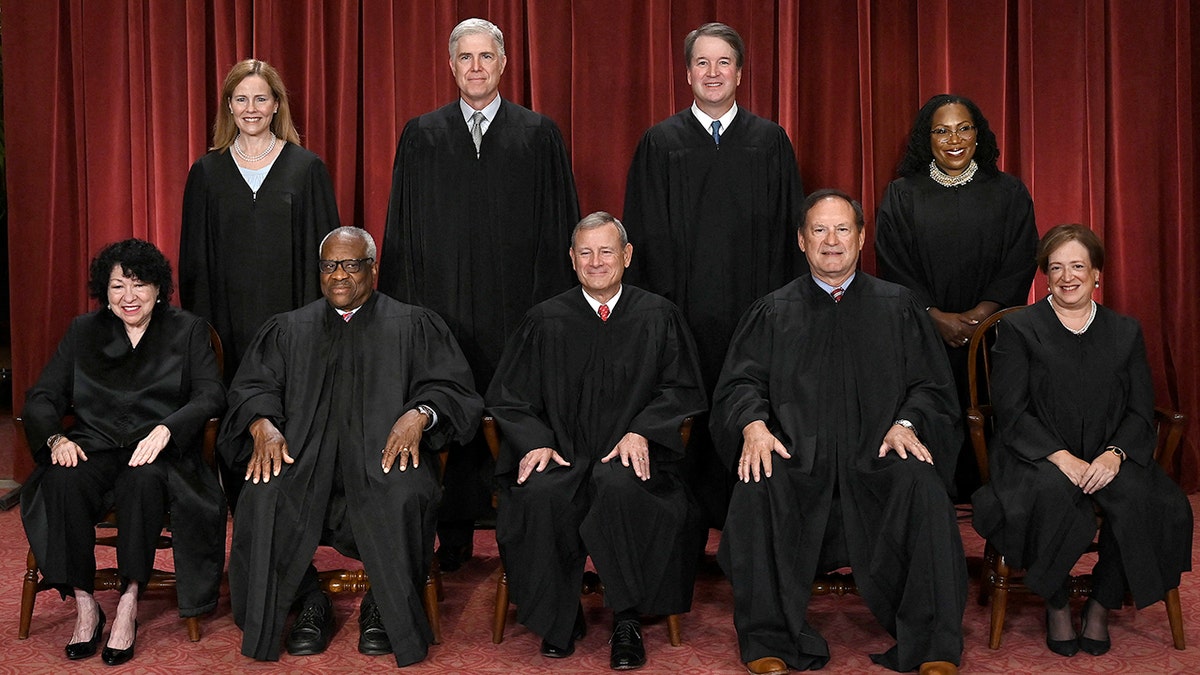
Justice Thomas, writing for the majority, emphasized that the core of the case revolved around whether Fluor’s actions were authorized by the military. The opinion noted, "Fluor’s conduct was not authorized by the military and even violated instructions the military had given it as a condition of operating on the base." This distinction is pivotal. It suggests that the Supreme Court is not questioning the military’s authority in war zones but rather the extent to which contractors can claim immunity for actions that go beyond or defy that authority.
The majority’s opinion also implicitly recognizes the human cost of such incidents. Hencely’s permanent disability serves as a stark reminder of the severe consequences of negligence in high-stakes environments. By allowing the lawsuit to proceed, the Court acknowledges that service members injured due to contractor failings, particularly when those failings are not sanctioned by the military, deserve their day in court.
Dissenting Views (Inferred)
While the specific arguments of the dissenting justices—Alito, Roberts, and Kavanaugh—are not detailed, their opposition likely centers on concerns about the practicalities of operating in war zones, the potential for overwhelming litigation to disrupt military support, or a different interpretation of the scope of battlefield preemption. They may have argued that the complex and volatile nature of combat operations necessitates broader protections for contractors to ensure mission effectiveness, or that state-law claims could unduly interfere with military objectives and federal control.
Moving Forward
The Supreme Court’s decision in Hencely v. Fluor Corporation is a significant development in the law governing military contractors. It reaffirms the principle that even in the crucible of war, accountability for negligent conduct, especially when it deviates from authorized military directives, remains paramount. The case will now return to lower courts for further proceedings, where Hencely will have the opportunity to present his case and seek damages for the life-altering injuries he sustained. This ruling is likely to shape how military contractors operate and are held accountable in future conflicts.