Nearly Half of American Children Exposed to Dangerous Air Pollution as Regulatory Rollbacks Threaten Public Health Progress

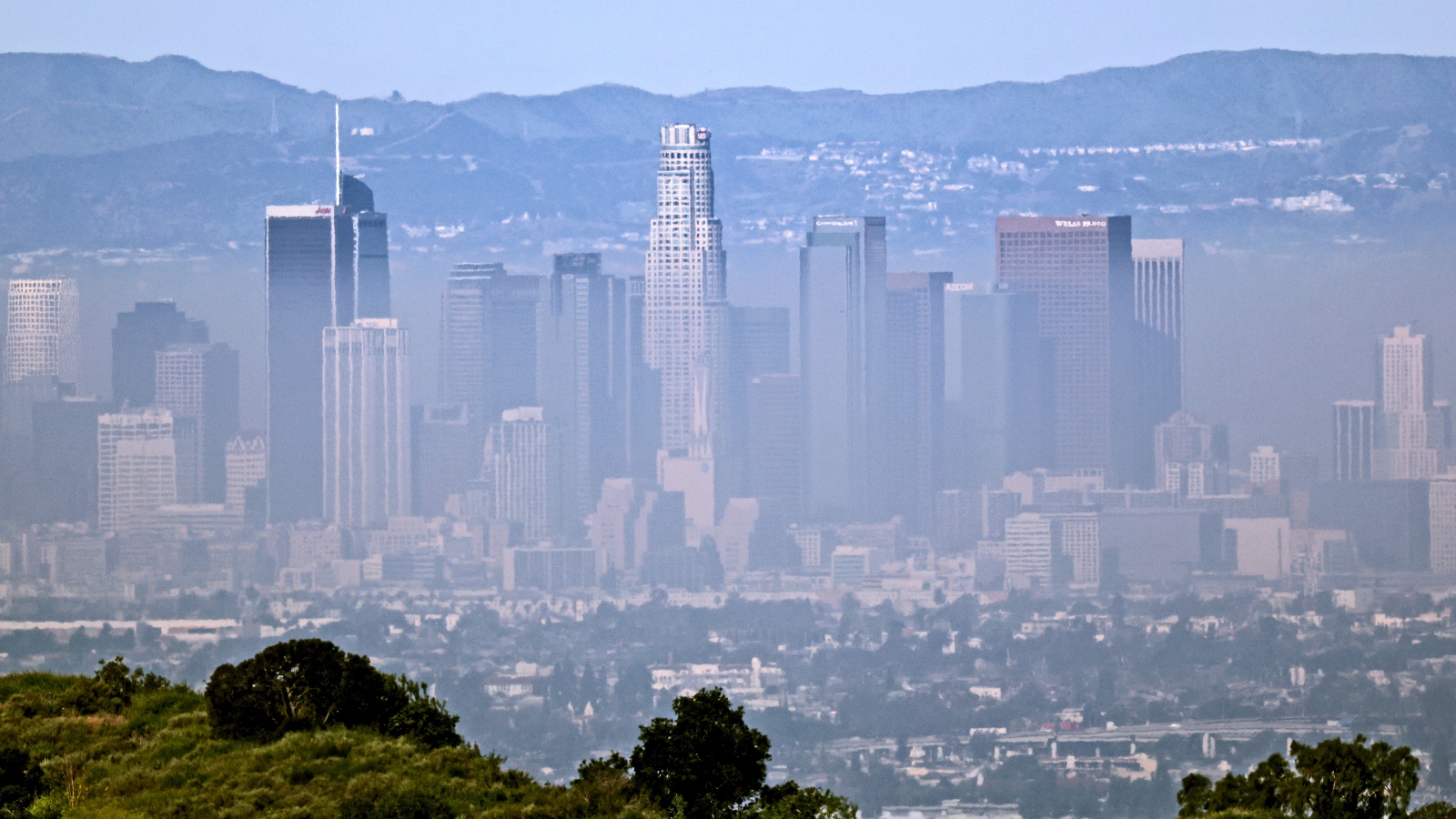
The American Lung Association’s 27th annual "State of the Air" report has revealed a staggering public health crisis, finding that nearly 46 percent of children in the United States—approximately 33.5 million individuals under the age of 18—are living in areas with dangerously high levels of air pollution. The findings come at a precarious moment for federal environmental policy, as public health experts and environmental advocates warn that a series of expansive regulatory rollbacks by the current administration are poised to exacerbate these conditions, potentially reversing decades of progress in national air quality.
The comprehensive report, which analyzed quality-assured data collected between 2022 and 2024, evaluates air quality based on three primary metrics: ground-level ozone (commonly known as smog), year-round particle pollution, and short-term spikes in particle pollution (often referred to as soot). The data paints a grim picture of the domestic environment, noting that 7 million children, or roughly 10 percent of the nation’s youth population, reside in communities that received a failing grade across all three categories.
The Biological Vulnerability of Developing Lungs
The health implications for children are significantly more severe than for the general adult population due to several physiological and behavioral factors. Will Barrett, the assistant vice president of the American Lung Association’s (ALA) Nationwide Clean Air Policy, emphasized that children are not merely "small adults" when it comes to environmental exposure.
"Children’s lungs are still developing," Barrett stated. "For their body size, they’re breathing more air. And also, kids play outdoors, they’re more active, they’re breathing in more outdoor air." This increased respiration rate means that children inhale a higher volume of pollutants relative to their body mass. Exposure during these formative years can lead to permanent developmental harm, including reduced lung capacity, the onset of pediatric asthma, and a heightened risk of chronic respiratory illnesses that persist into adulthood.
Medical experts have long noted that early exposure to fine particulate matter (PM2.5) can cross the blood-air barrier, entering the bloodstream and affecting cardiovascular health and even cognitive development. The ALA report underscores that the current levels of exposure are not merely a nuisance but a systemic threat to the long-term health of the next generation.
A Chronology of Declining Air Quality and Climate Drivers
To understand the current crisis, it is necessary to examine the environmental trends of the last several years. While the Clean Air Act of 1970 and its subsequent amendments led to decades of improvement, the period between 2022 and 2024 has seen a troubling reversal in many regions.
In 2022, a combination of record-breaking heatwaves and prolonged droughts across the Western United States created a "pressure cooker" effect, trapping pollutants near the ground. Ozone formation is chemically driven by heat and sunlight reacting with precursor emissions from vehicles and industrial plants. As global temperatures continue to rise, the "ozone season" has lengthened, exposing more people for longer durations.
The year 2023 marked a significant turning point due to the unprecedented scale of the Canadian wildfires. Massive plumes of smoke crossed the border, blanketing the Midwest and the Northeast in a hazardous orange haze. These events contributed to the highest number of "unhealthy air days" recorded in the ALA report in six years. Approximately 129.1 million people—38 percent of the U.S. population—were exposed to dangerous ozone levels during this window, representing an increase of 3.9 million people over the previous reporting cycle.
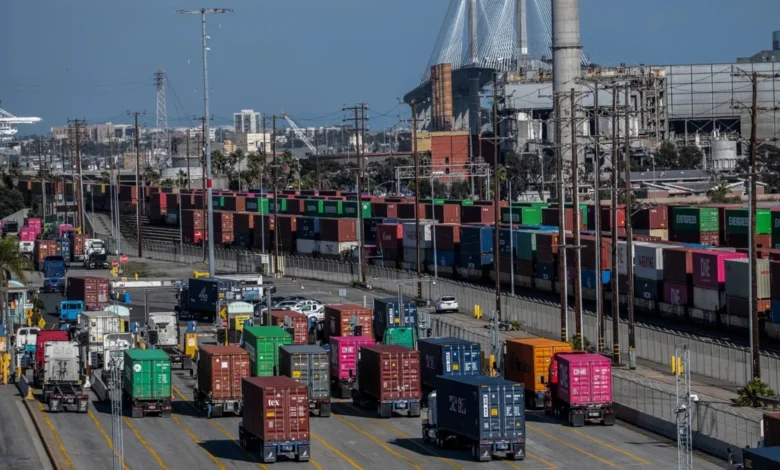
By 2024, the cumulative effect of these climate-driven events, combined with a resurgence in industrial activity and transportation following the pandemic-era slowdown, solidified a trend of deteriorating air quality in major metropolitan hubs, particularly in the Southwest and the "Sun Belt" regions.
Environmental Injustice and Racial Disparities
The report further highlights a persistent and widening gap in air quality based on race and socioeconomic status. Despite representing 42.1 percent of the total U.S. population, people of color make up 54.2 percent of those living in counties with at least one failing grade for air quality.
The disparity is even more pronounced in areas with the most severe pollution. According to the data, a person of color is 2.42 times more likely than a white person to live in a community that fails all three pollution measures. This phenomenon, often termed "environmental racism," is the result of decades of redlining, urban planning that places highways and industrial zones near minority neighborhoods, and a lack of investment in green infrastructure in these areas.
Consequently, children in these communities face a "double burden." They are more likely to live in high-pollution zones and are simultaneously more likely to have underlying health conditions, such as diabetes or heart disease, which are exacerbated by poor air quality. The ALA notes that asthma rates among Black and Latino children remain significantly higher than their white counterparts, a statistic directly linked to the air they breathe.
The Emerging Threat of Data Centers and AI Infrastructure
A novel finding in the recent analysis is the growing contribution of data centers to localized and regional air pollution. As the demand for artificial intelligence and cloud computing surges, data centers now consume roughly 4.4 percent of total U.S. electricity. Projections suggest this figure could climb to 12 percent within the next decade.
The environmental impact of these facilities is twofold. First, they place immense strain on regional electricity grids that still rely heavily on "peaker" plants fueled by coal and methane gas. Second, because data centers require 100 percent uptime, they are typically equipped with massive arrays of diesel-powered backup generators. When these generators are tested or used during grid instability, they emit high concentrations of nitrogen oxides and carcinogenic particulate matter into the surrounding neighborhoods.
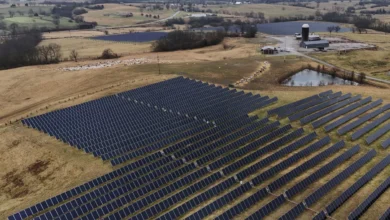
Barrett warned that without a shift toward "non-combustion, clean renewable energy sources that are additive to the grid," the tech boom could inadvertently become a primary driver of respiratory illness in the coming years.
Regulatory Rollbacks and the Political Landscape
The most contentious aspect of the current air quality landscape is the shift in federal oversight. Since returning to office, the Trump administration has initiated at least 70 distinct actions aimed at dismantling or weakening environmental and climate protections. These moves represent a fundamental shift in the mission of the Environmental Protection Agency (EPA).
Key rollbacks include:
- Mercury and Air Toxics Standards (MATS): The loosening of regulations on coal-fired power plants that limit the release of mercury, a neurotoxin, and other hazardous air pollutants.
- Vehicle Emission Standards: The repeal of stringent fuel economy and tailpipe emission targets, which were designed to transition the automotive fleet toward electrification.
- Methane Regulations: Allowing increased emissions from oil and gas facilities by reducing leak detection and repair requirements.
- Scientific Advisory Boards: The disbanding of several EPA advisory committees that provided independent scientific review of air quality standards.
Perhaps most significantly, the administration has moved to change the way the EPA calculates the benefits of regulation. By ending the practice of estimating the monetary value of lives saved by limiting fine particulate matter, the agency can now justify the repeal of rules by claiming the compliance costs to corporations outweigh the "calculated" public health benefits.
Barrett characterized these actions as a "devaluing of children’s health," arguing that the EPA is distancing itself from its core mandate to protect public health. "There is a wide-scale effort by the federal EPA to eliminate health protections while also distancing themselves from their own mission," he added.
Analysis of Long-Term Implications
The convergence of climate-driven pollution events and a deregulatory federal environment suggests a looming public health crisis that could have economic repercussions for decades. While the current administration argues that reducing the regulatory burden on the energy and manufacturing sectors will stimulate economic growth, public health economists warn of the "hidden costs."
Increased rates of pediatric asthma and chronic obstructive pulmonary disease (COPD) lead to billions of dollars in lost productivity, emergency room visits, and long-term healthcare expenditures. Furthermore, the developmental harm caused to children’s lungs can limit their physical capabilities and economic potential in adulthood.
The data from the American Lung Association serves as a critical warning. As the climate continues to warm, the natural mechanisms that cleanse the air are being overwhelmed by both traditional industrial pollutants and new sources of carbon and soot. Without a robust regulatory framework and a commitment to environmental justice, the burden of this "new normal" will fall most heavily on the nation’s most vulnerable population: its children.
The report concludes with a call for urgent policy intervention, including the strengthening of National Ambient Air Quality Standards (NAAQS) and a rapid transition to zero-emission energy sources. However, in the current political climate, the path toward cleaner air remains fraught with ideological and legal challenges, leaving millions of children to breathe air that science has deemed unsafe.
Related posts: