The Silent Crisis of Trenton: How a Lone Researcher Exposed the Deep-Rooted Lead Contamination Threatening New Jersey’s Capital

Kim Booker had lived in Trenton, New Jersey, for nearly three decades before she truly understood the invisible threat permeating her environment. Born and raised in a city once celebrated as an industrial powerhouse, Booker, like many of her neighbors, viewed the chipping paint and aging infrastructure of her three-bedroom home as mere signs of time rather than symptoms of a public health emergency. It was only through community meetings organized by the East Trenton Collaborative, a local nonprofit dedicated to environmental health, that the reality of her situation began to crystallize. She learned that Trenton’s storied industrial past had left a toxic legacy: a landscape saturated with lead-laden pipes, lead-based paint, and contaminated soil.
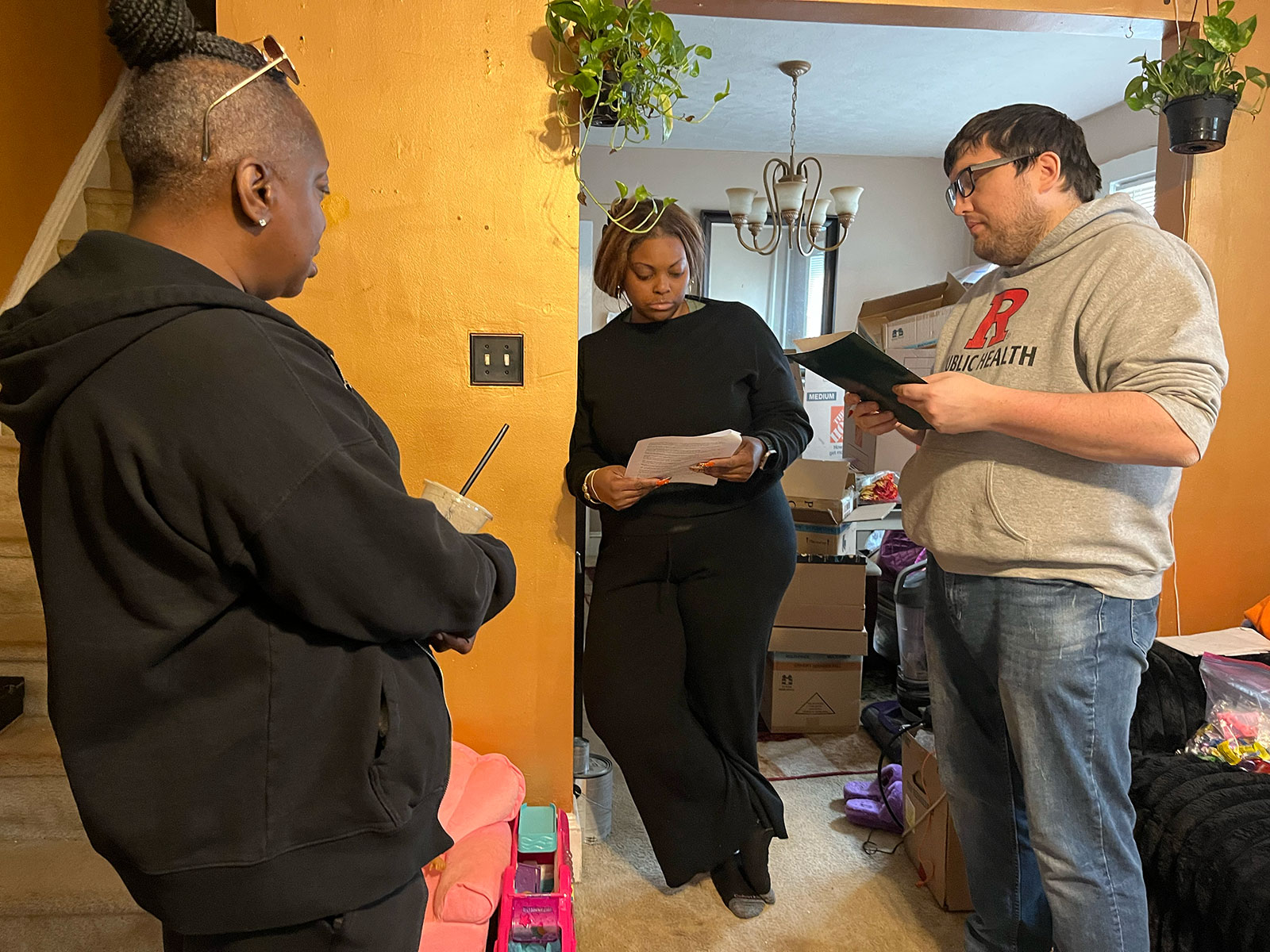
The revelation brought a sudden, chilling clarity to Booker’s family history. Her late grandmother and sister had both been diagnosed with Alzheimer’s disease, a condition that modern research increasingly links to long-term lead exposure. Concerned that she, too, was being systematically poisoned by her own home, Booker sought testing. However, she quickly discovered a glaring hole in the social safety net: comprehensive, free environmental testing was virtually non-existent for the average resident. This gap led her to Shereyl Snider, a community leader who connected her with Sean Stratton, a doctoral student in public health at Rutgers University. In late 2023, Stratton was conducting the field research for his dissertation, providing the kind of holistic environmental audit that neither the city nor the state seemed equipped to offer.
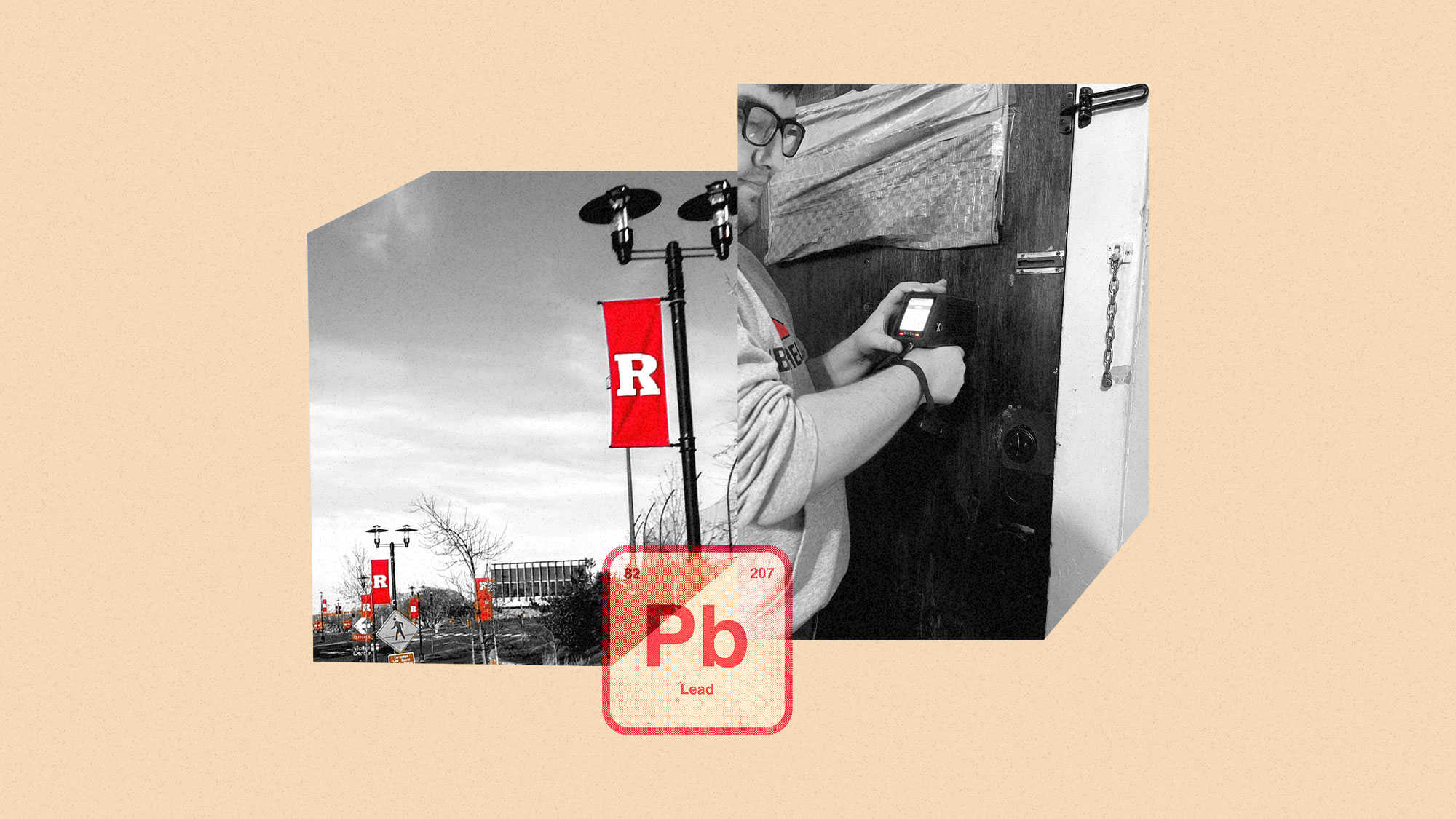
When the results arrived, they confirmed Booker’s worst fears. Her home was contaminated, and her yard’s soil contained lead levels exceeding 450 parts per million—well above the Environmental Protection Agency’s (EPA) hazard threshold. Furthermore, blood tests revealed low but detectable levels of lead in her system. The data provided a map of a hidden crisis, but it also highlighted a disturbing systemic reliance. As Stratton himself noted, a municipal government should not have to depend on a single graduate student to perform essential public health screenings.
The Scope of New Jersey’s Lead Burden
The crisis in Trenton is a microcosm of a larger, statewide struggle. New Jersey possesses some of the most significant legacy lead burdens in the United States. According to EPA data, the state contains an estimated 350,000 lead service lines, ranking it among the top ten most affected states, alongside industrial giants like Illinois and Texas. While the federal government has allocated more than $100 million to New Jersey for the replacement of lead pipes, these funds are specifically earmarked for water infrastructure. They do not address the "interior" crisis: the lead paint on the walls of pre-1978 homes or the "legacy" soil contamination in residential yards.
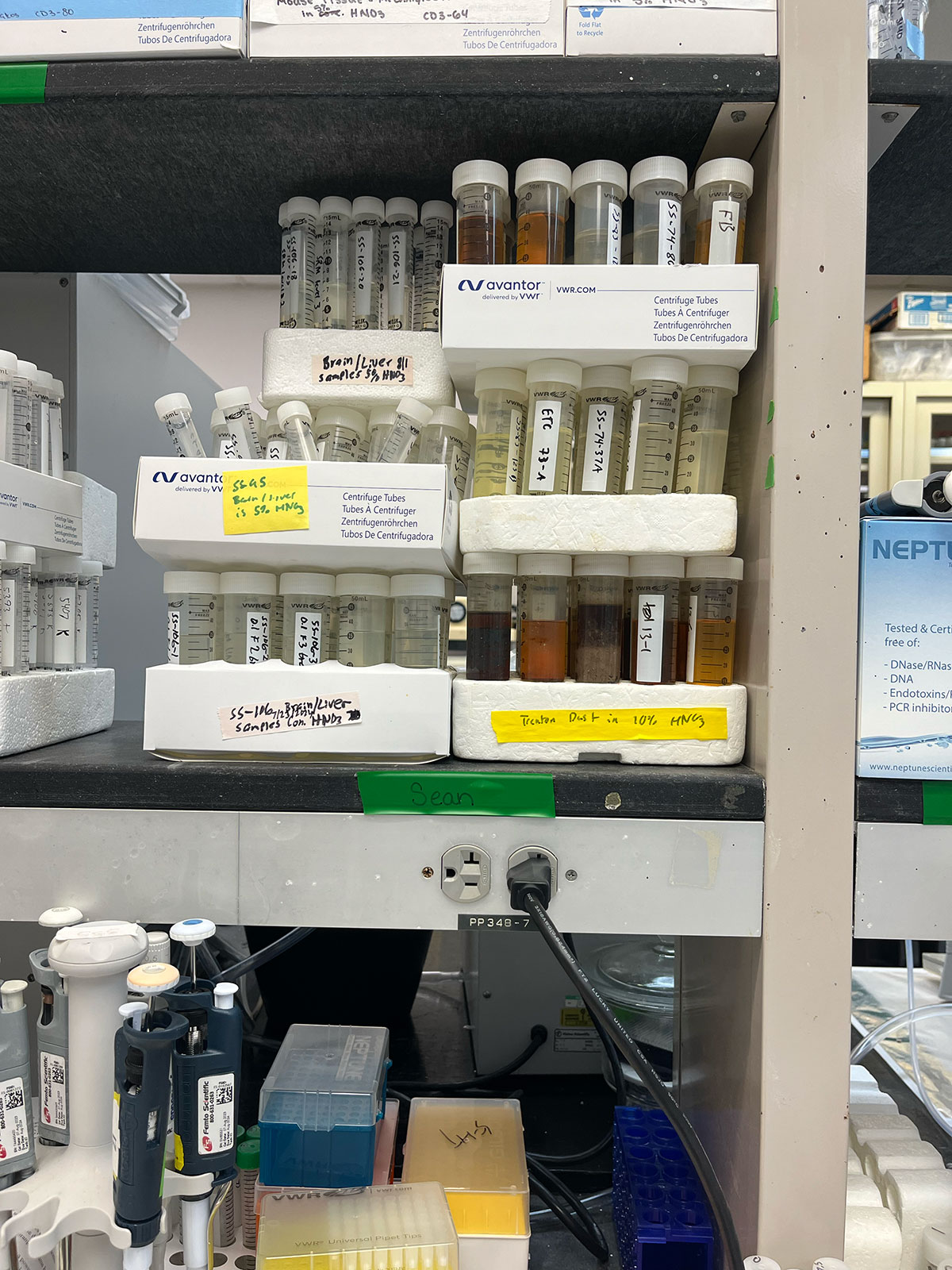
Stratton’s research, which spanned over 140 homes in Trenton over two years, provides the most cohesive picture to date of how these various sources of lead interact. His findings were stark. Every single home he tested for floor dust showed detectable levels of lead, with 86 percent exceeding the EPA’s action levels. Perhaps most significantly, Stratton discovered that even homes without lead-based paint remained at high risk due to "legacy dust." This fine, toxic powder is a cocktail of historical pollutants: residue from leaded gasoline, atmospheric aerosols, and coal soot, combined with the heavy metal byproducts of Trenton’s former ceramics and pottery industries.
A Chronology of Advocacy and Institutional Failure
Sean Stratton’s journey into the heart of Trenton’s lead crisis began not in a classroom, but in the field of environmental consulting. After graduating from Rutgers in 2015 with a degree in environmental science, he worked on remediation strategies for contaminated sites. The 2014 Flint, Michigan, water crisis served as a catalyst for his transition into public health. When a friend in New Jersey asked Stratton to test his home’s water, the results showed lead levels at 78 parts per billion—more than five times the EPA’s action level of 15 parts per billion.
This discovery prompted Stratton to investigate how water utilities were reporting data. He found that many municipalities, including his then-home of East Brunswick, were not prioritizing "high-risk" homes for testing as required by federal regulations. When his attempts to challenge the New Jersey Department of Environmental Protection (DEP) through administrative channels met with resistance, Stratton took his advocacy to the political arena, running for State Assembly as a Green Party candidate in 2017. Though he lost the race, the experience solidified his resolve to gain the "scientific credibility" necessary to force institutional change. He returned to Rutgers for his master’s and eventually his doctorate, focusing his research on the intersection of environmental contamination and community health.
Throughout 2023 and early 2024, Stratton’s work became a lifeline for East Trenton. In July 2023, the EPA officially added the East Trenton neighborhood to the Superfund National Priorities List, citing widespread soil contamination in parks, schools, and residential areas. Despite this high-level designation, the federal response has been slow to manifest on a door-to-door level. Residents were left in a state of "toxic limbo"—aware of the danger but lacking the specific data needed to protect their families.
The Fragmentation of Public Health Services
One of the primary critiques emerging from Stratton’s work is the "siloed" nature of government intervention. In New Jersey, lead mitigation is a patchwork of disconnected programs. The state health department typically only conducts home inspections after a child has already been diagnosed with lead poisoning. While the state mandates lead testing for children at ages one and two, older children and adults are often left out of the loop unless they can afford private testing.
Trenton Water Works offers lead test kits for older homes, but the burden of coordination and the cost of laboratory analysis—ranging from $20 to $100—falls on the resident. Soil testing is even more elusive, rarely performed unless a federal agency like the EPA initiates a large-scale investigation. This fragmented approach forces residents to navigate a complex maze of bureaucracy. Amber DeLoney-Stewart, another Trenton resident, recounted her frustration after her child was found to have an elevated blood lead level. Despite a city inspection, she claimed she never received the results, leaving her unable to take targeted action to remediate her home.
Stratton’s comprehensive testing—which included scanning walls with X-ray fluorescence guns, analyzing first-draw water samples, and testing yard soil—offered a model for what proactive public health should look like. However, with Stratton’s graduation in May 2024, the future of this initiative is in jeopardy.

Funding Uncertainties and the Research Gap
The sustainability of community-based environmental research is increasingly threatened by shifting federal priorities. Stratton’s work was funded by grants from the National Institute of Environmental Health Sciences and the federal government. However, as the political climate fluctuates, so does the availability of these funds. Brian Buckley, the executive director of Rutgers’ Environmental and Occupational Health Sciences Institute, noted that several "environmental justice" grants have recently been rescinded or placed in limbo.
"We’ve been playing dodge the bullet," Buckley stated, highlighting the precarious nature of funding for projects that serve marginalized communities. When research projects are tied to the tenure of a specific student or a temporary grant, the departure of the researcher often leaves a vacuum. For the East Trenton Collaborative, the end of Stratton’s doctoral work represents a potential loss of the only accessible, comprehensive testing service available to the neighborhood.
Broader Implications and the Path Forward
The situation in Trenton reflects a national trend where university researchers and "citizen scientists" are stepping in to fill the gaps left by underfunded or slow-moving government agencies. Similar projects in Atlanta, Georgia, and Los Angeles, California, have uncovered significant lead and wildfire-related contamination that had previously gone unrecorded by official monitors. While these collaborations are vital, they underscore a systemic failure to treat environmental health as a proactive right rather than a reactive service.
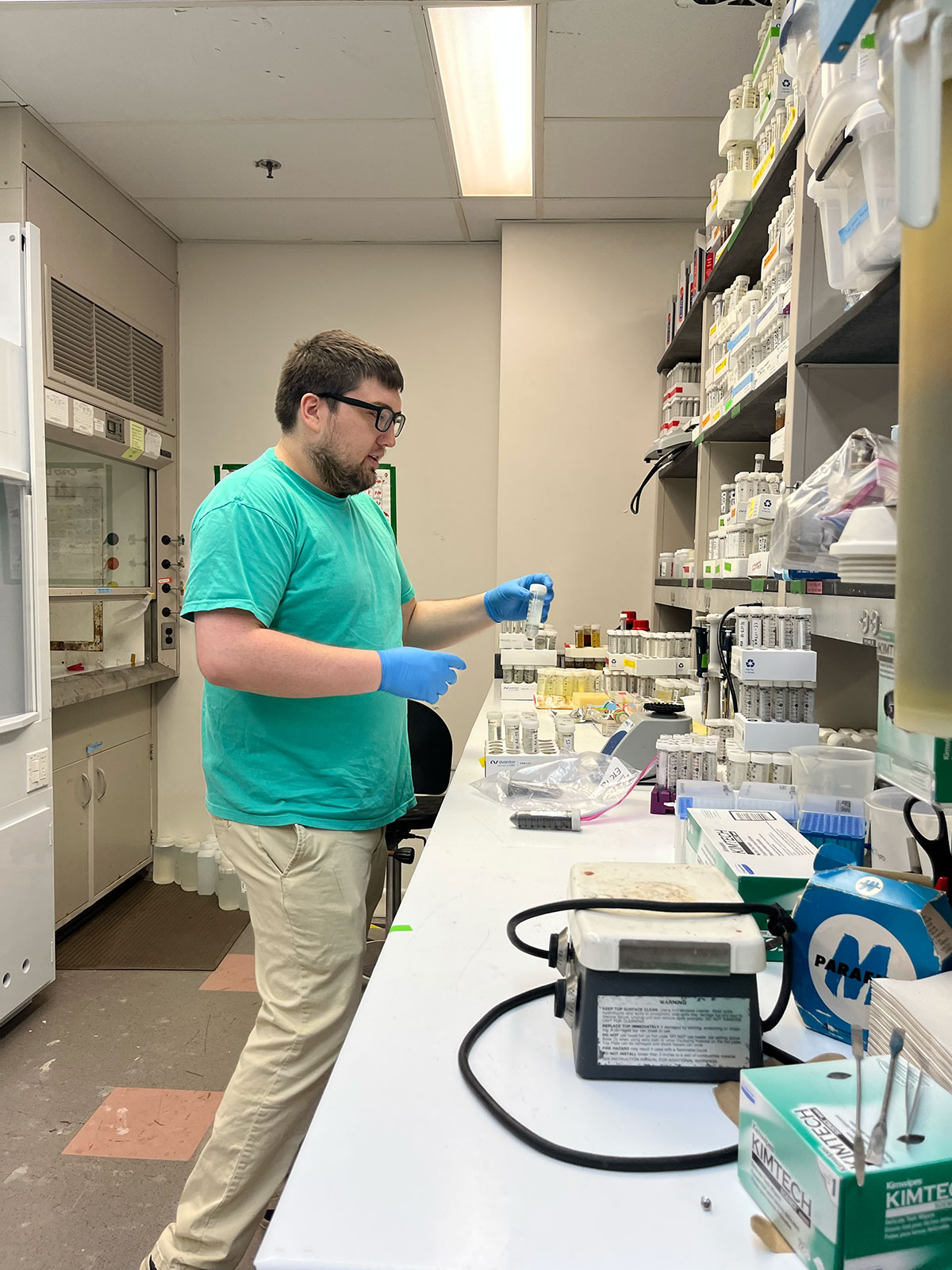
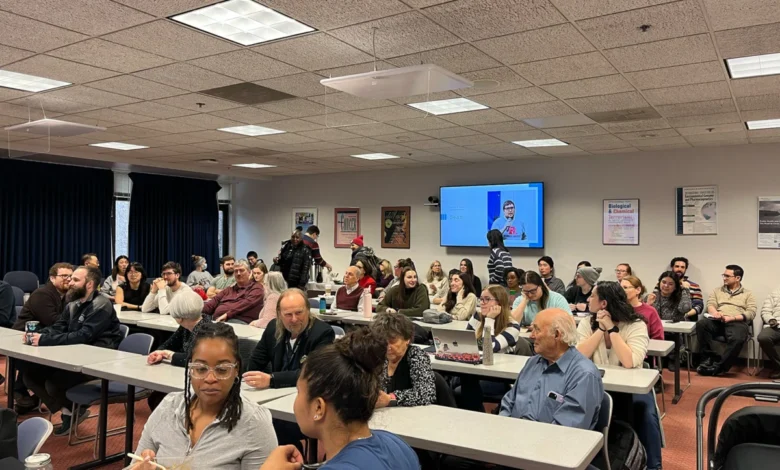
In February 2024, Stratton successfully defended his dissertation, presenting his findings to a room filled with academics, community activists, and residents. His research not only confirmed the prevalence of lead but also challenged existing safety protocols. He found that the standard recommendation to "flush" taps for five minutes was often insufficient to remove all traces of lead, suggesting that water filters are a necessary, rather than optional, safety measure in older cities.
For residents like Kim Booker, the knowledge gained from Stratton’s testing has led to immediate lifestyle changes. She now uses specialized vacuums to avoid stirring up lead dust and enforces strict hygiene rules for her nieces when they play outside. Yet, she remains acutely aware that individual action is not a substitute for systemic remediation. "Knowledge is only powerful and beneficial if its effects change," Booker said. "We can know there is a problem, but without action, the problem simply remains."
As the EPA begins the slow process of Superfund remediation in East Trenton—a process that could take decades—the community faces a critical juncture. The departure of Sean Stratton serves as a call to action for state and local officials to integrate fragmented services into a cohesive, proactive public health strategy. Without a permanent, funded program for comprehensive household testing, the residents of Trenton will remain at the mercy of a legacy they did not create and a system that has yet to fully acknowledge the depth of their danger.