
Milei S Controversial Economic Reforms Stalled In Argentinian Congress
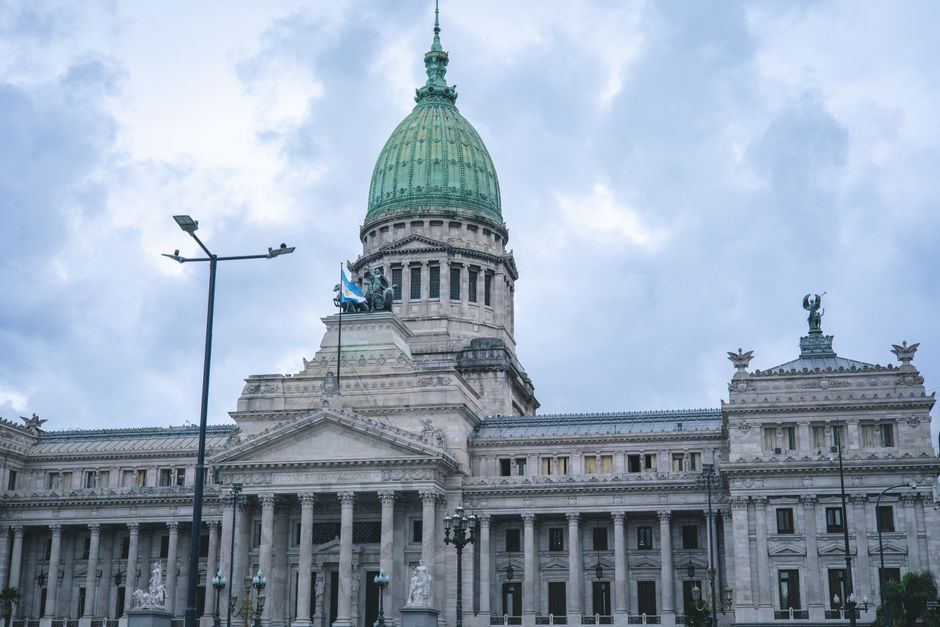
Milei’s Economic Overhaul Stalled: A Congressional Showdown Threatens Argentinian Stability
President Javier Milei’s ambitious, and intensely controversial, economic reform package, a cornerstone of his libertarian agenda, faces significant headwinds as it navigates the complex and often fractious landscape of the Argentinian Congress. The proposed legislation, a sweeping overhaul designed to liberalize the economy, slash public spending, and dismantle state intervention, has become the focal point of intense political negotiation and ideological opposition. Initial hopes within the presidential camp for swift passage have been dashed by a fragmented opposition and internal party divisions, leaving the future of Milei’s economic shock therapy in considerable doubt and casting a long shadow over Argentina’s economic prospects.
The core of Milei’s reform agenda, often referred to as the "Omnibus Law" or "Ley Ómnibus," is characterized by its radical departure from decades of protectionist and interventionist economic policies. It encompasses a broad spectrum of measures, including the privatization of numerous state-owned enterprises, a significant deregulation of various sectors, a reduction in the number of government ministries, and a fundamental shift in labor laws. The stated objective is to unleash private sector dynamism, attract foreign investment, and combat Argentina’s chronic inflation and fiscal deficits. However, the sheer scope and the perceived social and economic consequences of these reforms have ignited fierce resistance from a diverse coalition of political forces and societal groups.
The primary impediment to the Omnibus Law’s progress lies in the fractured nature of Argentina’s legislative branch. Milei’s Libertarian Party (La Libertad Avanza) holds a minority of seats in both the Chamber of Deputies and the Senate, necessitating extensive negotiation and compromise with other political blocs. The Peronist bloc, a historically dominant force in Argentinian politics, remains largely unified in its opposition, viewing the reforms as an assault on social welfare and national sovereignty. Other parties, including the center-left Unión Cívica Radical (UCR) and the center-right Propuesta Republicana (PRO), have expressed varying degrees of concern and have sought to extract concessions in exchange for their potential support. This legislative arithmetic has transformed the passage of the Omnibus Law into a high-stakes poker game, with each negotiation round potentially leading to significant dilutions of the original proposals.
The economic rationale underpinning Milei’s reforms centers on the principles of Austrian economics, emphasizing free markets, sound money, and minimal government interference. Proponents argue that Argentina’s persistent economic woes are a direct result of excessive state intervention, cronyism, and a culture of dependency on public funds. They believe that drastic liberalization is the only path to sustainable growth, fiscal responsibility, and an end to hyperinflation. The reforms aim to achieve fiscal austerity through significant cuts in public spending, including subsidies for energy and transport, as well as a reduction in the size and scope of the state apparatus. Deregulation is intended to foster competition, reduce bureaucratic hurdles for businesses, and encourage private investment.
However, critics of the Omnibus Law paint a starkly different picture. They warn of widespread social unrest, increased inequality, and the potential for the collapse of essential public services. Labor unions have vehemently opposed the proposed changes to labor laws, arguing they will erode worker protections and lead to mass unemployment. Social organizations and advocacy groups for vulnerable populations have raised alarms about the impact of subsidy cuts on households already struggling with high inflation and poverty. The privatization of state-owned companies, such as energy giant YPF and flag carrier Aerolíneas Argentinas, is viewed by many as a betrayal of national assets and a concession to foreign interests.
The legislative process has been characterized by a series of dramatic setbacks and tactical maneuvering. Initially, the Omnibus Law was introduced as a single, massive piece of legislation. However, facing overwhelming opposition and procedural hurdles, the government was forced to break it down into smaller, more manageable bills. This strategy, while intended to increase the likelihood of passage for individual components, has also fragmented the debate and allowed for more targeted opposition. Key provisions, such as the broad delegation of legislative powers to the executive branch, the criminalization of protests, and significant changes to environmental regulations, have been particularly contentious and have faced intense scrutiny.
The role of the PRO party, led by former President Mauricio Macri, has been particularly pivotal. While allied with Milei, the PRO has demonstrated an independent streak, seeking to shape the reforms to align with its more moderate, albeit still market-oriented, vision. This has led to complex negotiations, with the PRO often acting as a kingmaker, holding the balance of power in key legislative votes. The UCR, another centrist force, has also been a crucial player, advocating for amendments that would preserve certain social safety nets and ensure a more gradual transition. The internal debates within these parties, and their evolving stances, have contributed significantly to the uncertainty surrounding the reforms.
Public opinion in Argentina remains deeply divided on Milei’s economic agenda. While his supporters, often drawn from the middle and upper classes, have expressed strong backing for his promises of fiscal discipline and economic recovery, a significant portion of the population, particularly those reliant on state assistance or employed in sectors facing deregulation, harbors deep skepticism and fear. The government’s communication strategy, which has often employed confrontational rhetoric and dismissed critics as "statists" or "socialists," has done little to bridge this divide.
The stalled progress of the Omnibus Law has tangible consequences for Argentina’s fragile economy. The uncertainty surrounding the future of economic policy creates a climate of apprehension for both domestic and international investors. Businesses are hesitant to make long-term commitments in an environment where the regulatory framework is in flux. The delay in implementing fiscal adjustments and structural reforms also prolongs the period of high inflation and economic instability. The International Monetary Fund (IMF), a key creditor and advisor to Argentina, has been closely observing the legislative process, with the passage of reforms being a prerequisite for continued financial support.
The executive branch has employed various strategies to pressure Congress. President Milei himself has engaged in direct appeals to the public and has engaged in heated exchanges with opposition lawmakers. The government has also leveraged its control over public discourse through social media and state-owned media outlets. However, these efforts have not always translated into legislative success. The perception of a president attempting to bypass or unduly influence the legislative process has, in some instances, further entrenched opposition.
Beyond the immediate legislative battles, the stalled reforms highlight deeper structural challenges within Argentinian governance. The country’s political system often prioritizes short-term gains and partisan maneuvering over long-term policy development. The pervasive influence of special interest groups and the legacy of clientelism continue to complicate the implementation of genuine reforms. Milei’s radical approach, while intended to break this cycle, has also exacerbated existing tensions and revealed the deeply entrenched nature of the status quo.
The path forward for Milei’s economic reforms remains uncertain. The government may opt for a more piecemeal approach, seeking to pass individual components of the Omnibus Law gradually. Alternatively, it could attempt to renegotiate further with opposition parties, potentially leading to a significantly watered-down version of its original agenda. The possibility of further executive decrees or other non-legislative measures cannot be entirely discounted, though such actions would likely face legal and political challenges.
The stalled economic reforms represent a critical juncture for Argentina. The outcome of these legislative battles will not only determine the immediate trajectory of the nation’s economy but also shape its long-term political landscape and its ability to address its persistent structural challenges. The ongoing standoff between the executive’s radical vision and the legislative branch’s fragmented reality underscores the complex and arduous nature of enacting transformative change in a deeply polarized society. The international community, as well as the Argentinian populace, will be watching closely as this high-stakes drama unfolds.
