Global Energy Crisis Deepens as Iran War Blockade Forces Radical Shift Toward Renewables and Nuclear Power

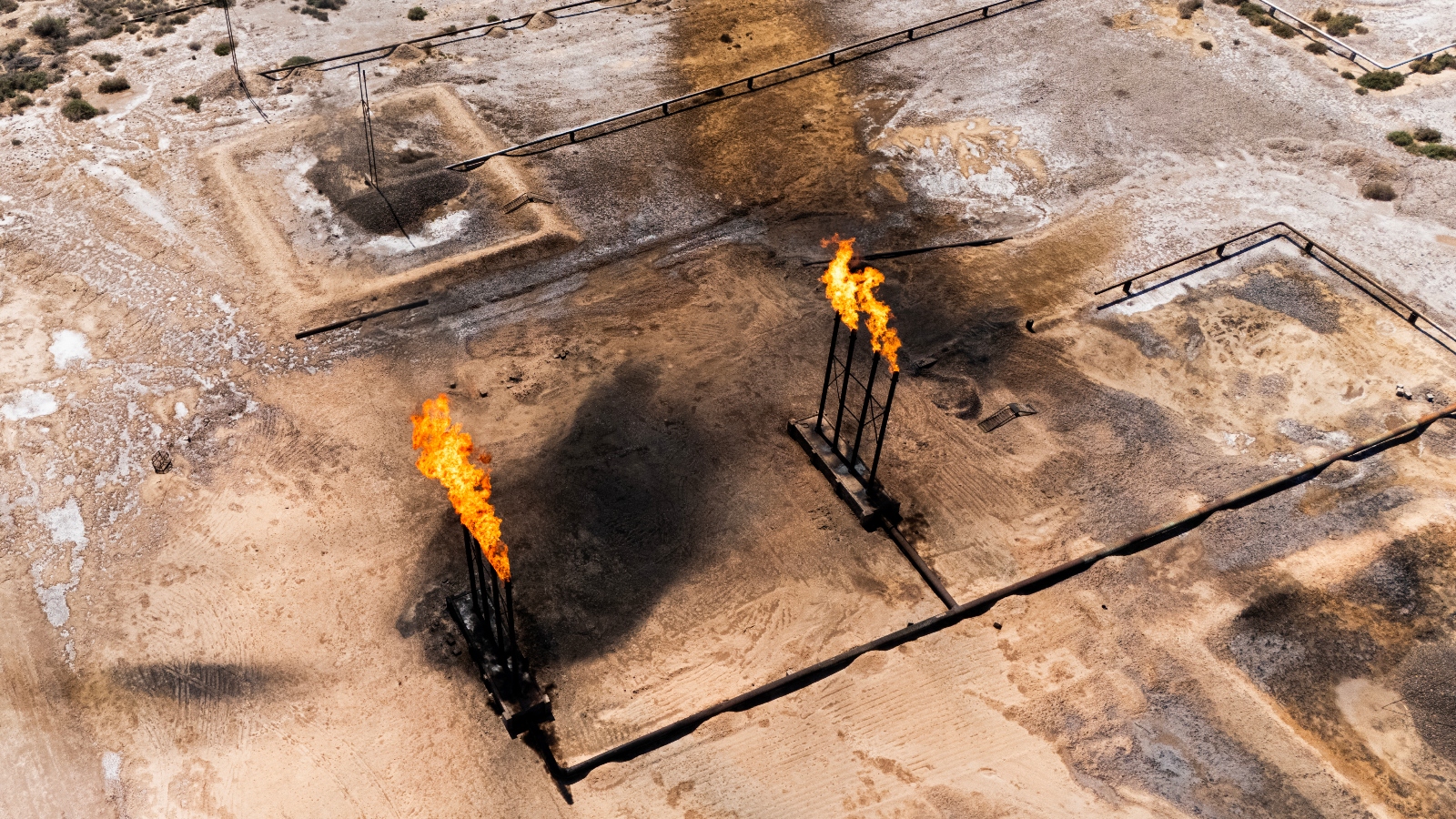
The geopolitical landscape of 2026 has been fundamentally reshaped by a conflict that many analysts warned would eventually destabilize the global economy. Two months into the war in Iran, launched by a coalition led by the United States and Israel, the world is facing an energy crisis of unprecedented proportions. While the immediate focus remains on the military developments in the Persian Gulf, the broader story is the sudden and potentially permanent fracture of the global fossil fuel regime. For nearly fifty years, the consensus among climate scientists has been that the world must transition away from coal, oil, and natural gas to mitigate global warming. However, as of late 2025, fossil fuels still accounted for approximately 80 percent of global energy consumption. The current blockade of the Strait of Hormuz, a critical maritime artery, may have finally provided the economic and security impetus to break that reliance.
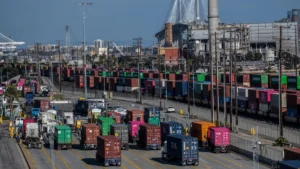
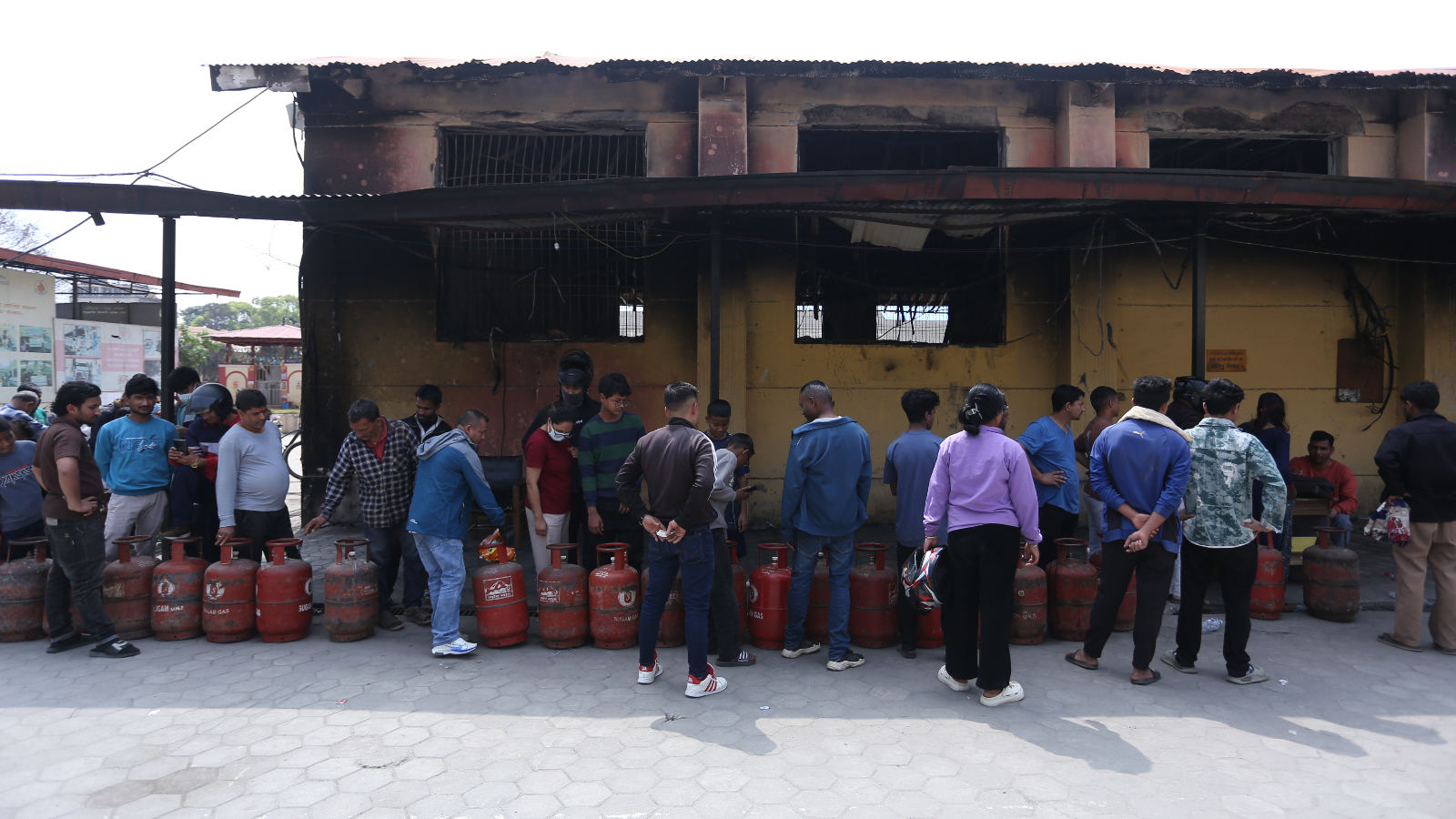
The Strait of Hormuz, a narrow waterway through which 20 percent of the world’s oil and liquefied natural gas (LNG) passes, has been effectively closed since early March. This disruption has triggered the most severe energy shortage in modern history, surpassing the oil shocks of the 1970s in both scale and complexity. As of late April, 25 countries have reported critical shortages of road fuel, jet fuel, and heating oil. Unlike the 1970s, however, the world now possesses a mature suite of alternative energy technologies. Solar, wind, and nuclear power are no longer experimental; they are increasingly cost-competitive and ready for rapid deployment. This technological readiness is fundamentally altering how nations respond to supply shocks, turning a period of scarcity into a catalyst for a global energy transition.
The Hormuz Chokepoint and the Collapse of LNG Markets
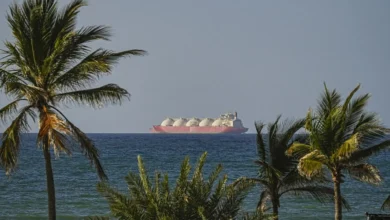
The immediate cause of the crisis is the strategic vulnerability of the Persian Gulf. The Strait of Hormuz serves as the exit point for exports from major producers including Saudi Arabia, Iraq, Kuwait, and Iran. Furthermore, Qatar, which provides roughly one-fifth of the world’s LNG, relies entirely on this passage. Recent drone strikes have reportedly damaged Qatar’s gas processing infrastructure, while the naval blockade has halted all commercial traffic.
The impact has been felt most acutely in Asia. Major economies such as Japan, South Korea, and Singapore are heavily dependent on Middle Eastern LNG to fuel their power plants and industrial sectors. Unlike the crude oil market, where some flexibility exists through strategic reserves and diverse suppliers, the LNG market is governed by rigid long-term contracts and specialized infrastructure. With the Qatari supply cut off, there are virtually no "spare" shipments available globally. While the United States has attempted to ramp up its LNG exports to fill the void, the process is hampered by the fact that existing liquefaction plants are already operating at 100 percent capacity. Building new facilities is a multi-year endeavor, leaving importers in a state of desperation.
Anne-Sophie Corbeau, a researcher at Columbia University’s Center on Global Energy Policy, noted that the crisis has shattered the perception of natural gas as a "safe" bridge fuel. "If you are an LNG importer and you are looking at the global market right now, you are asking yourself if you ever want to be this exposed again," she stated. This sentiment is driving a re-evaluation of energy security that prioritizes domestic production over imported commodities.
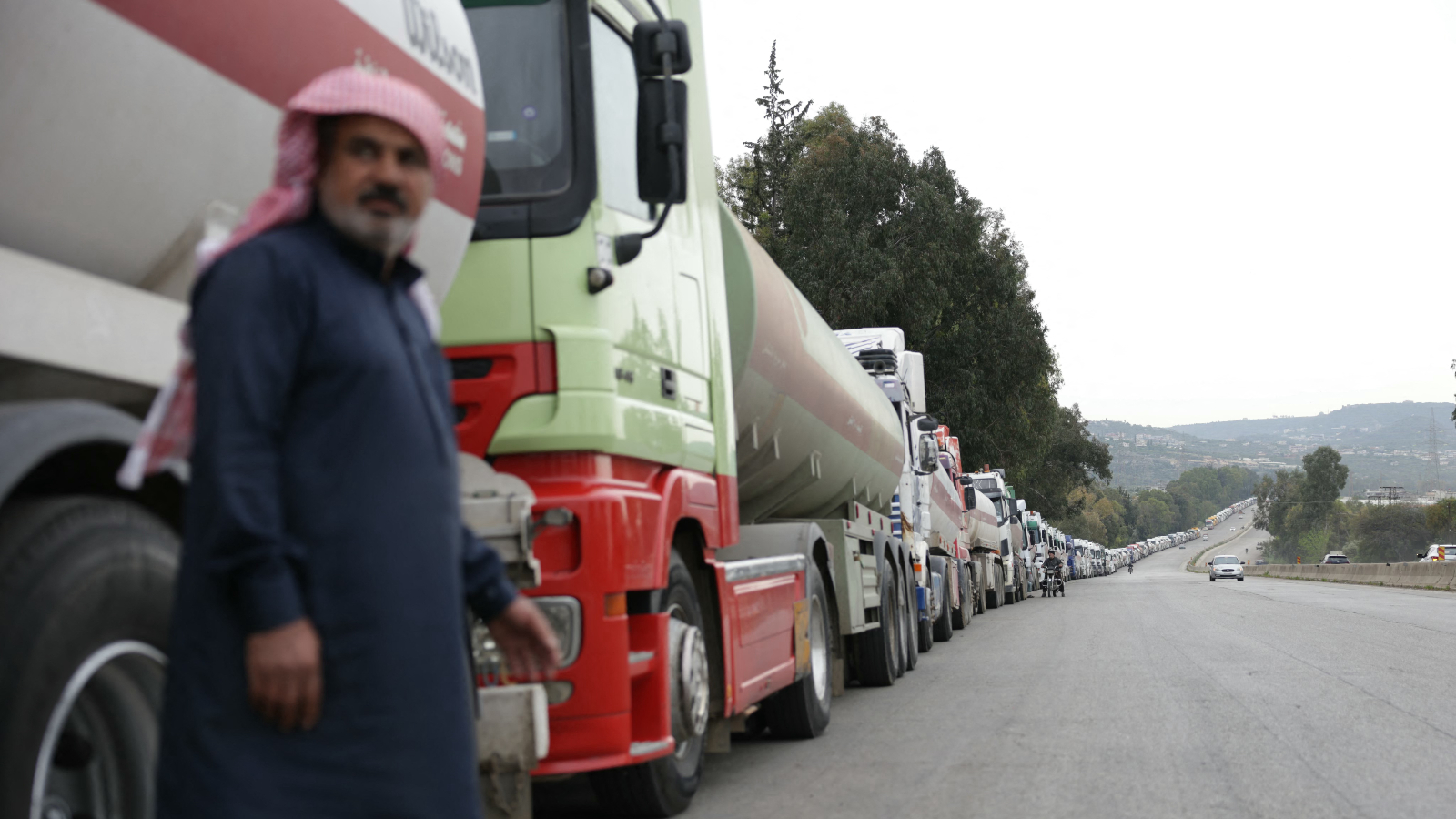
A Chronology of the 2026 Energy Crisis
The timeline of the current crisis illustrates the speed at which global markets can unravel.
- February 2026: The outbreak of hostilities between the U.S.-Israeli coalition and Iran leads to immediate spikes in Brent crude prices.
- Early March 2026: Iran announces the closure of the Strait of Hormuz. Insurance premiums for tankers in the region skyrocket, effectively halting traffic.
- Mid-March 2026: Shortages begin to manifest in East Asia and parts of Europe. Japan and China begin rationing fuel and tapping into strategic reserves.
- Late March 2026: Airline carriers in Europe and Africa begin canceling hundreds of flights due to a lack of affordable jet fuel. Spirit Airlines in the U.S. moves toward liquidation.
- April 2026: A wave of policy shifts is announced. South Korea, Taiwan, and several European nations unveil emergency plans to restart nuclear reactors and fast-track solar installations.
In response to the dwindling supply, governments have implemented drastic conservation measures. Across Asia, speed limits have been lowered, remote work has been mandated to save fuel, and public buildings have raised thermostat settings. While these measures have prevented a total economic collapse, they are viewed as temporary fixes for a structural problem.
The Short-Term Pivot to Coal
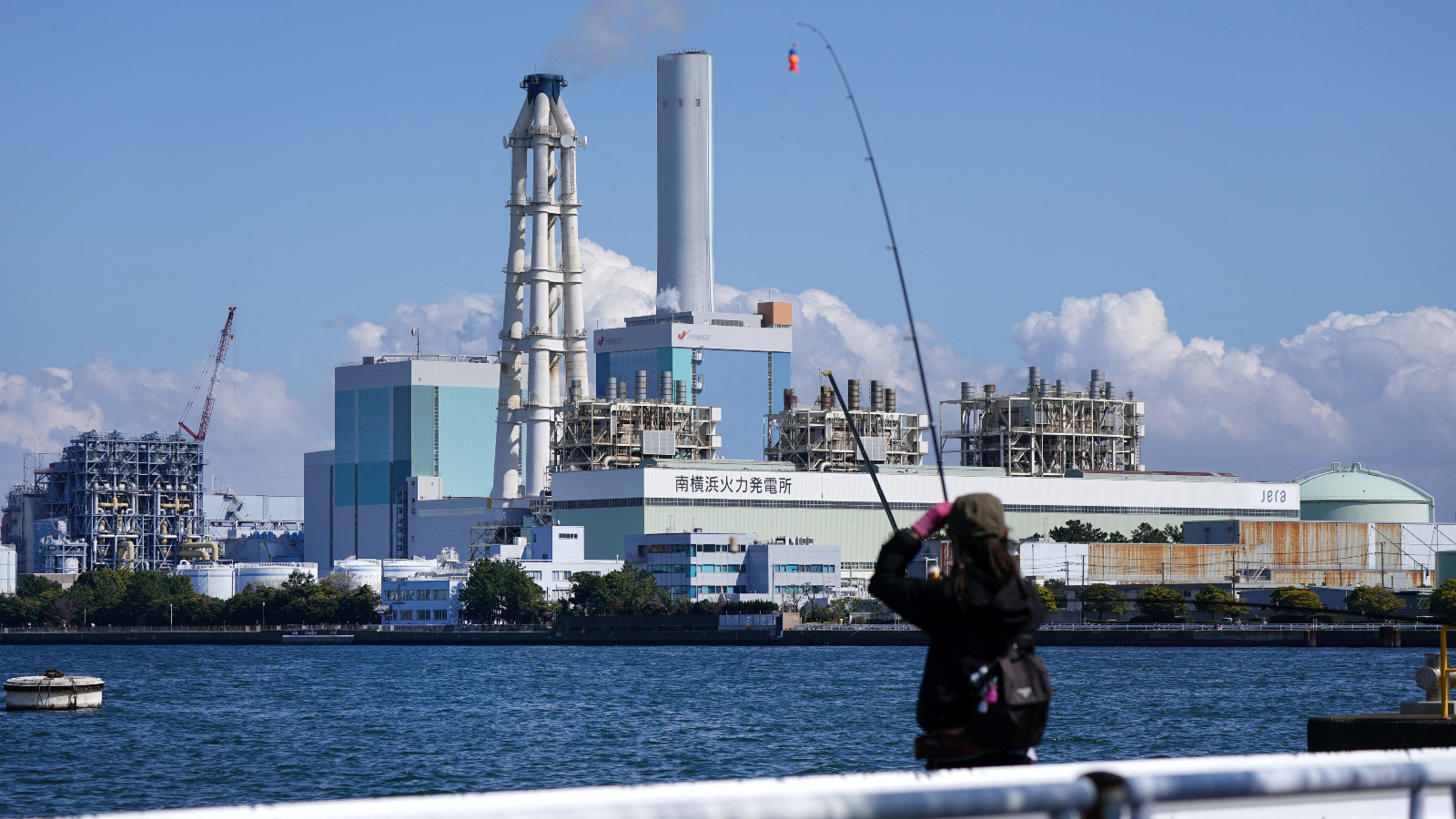
One of the most complex aspects of the current transition is the renewed role of coal. As natural gas supplies vanished, many nations were forced to return to the world’s most polluting fossil fuel to keep the lights on. In South Korea, the government has lifted emissions-based caps on coal plants, allowing them to run at 100 percent capacity. Similarly, Italy and other European nations have extended the lifespans of coal-fired units that were scheduled for decommissioning.
This "coal surge" presents a paradox for climate goals. While it ensures short-term energy security, it threatens to derail carbon reduction targets. However, energy analysts like Dinita Setyawati of the think tank Ember suggest that this may be coal’s "final stand." The volatility of gas prices has made coal look like a reliable fallback, but the falling costs of renewables mean that any new investment in coal infrastructure remains financially risky.
Renewables and the Modern Alternative
The defining difference between the 2026 crisis and previous shocks is the role of renewable energy. For the first time in history, wind and solar are the cheapest forms of new electricity in most of the world. As fossil fuel prices soar, the economic argument for renewables has become undeniable.
China, the world’s leading manufacturer of green technology, has seen its exports of solar panels and batteries reach record highs. In March 2026 alone, 50 countries set records for Chinese solar imports. India saw a 150 percent increase in solar component imports, while African nations like Nigeria and Kenya saw growth exceeding 170 percent. This is not merely a policy preference; it is a survival strategy.
The shift is also visible in the transportation sector. In the first month of the war, electric vehicle (EV) sales jumped by 50 percent in France and Germany. In Brazil, sales surged by nearly 200 percent. As gasoline prices remain prohibitively high, the transition to EVs is accelerating at a pace that was previously thought impossible. Indonesia has even introduced a "Roadmap to Zero" policy, mandating a rapid shift to electric transport to decouple its economy from global oil markets.
The Global Nuclear Re-evaluation
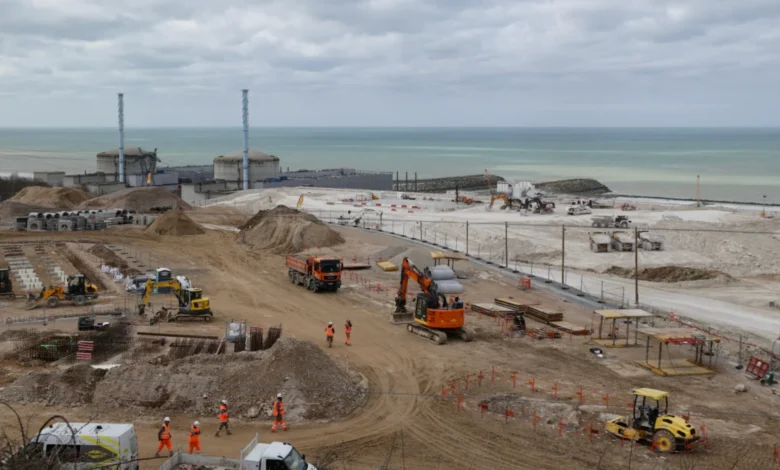
Perhaps the most significant long-term shift is the rehabilitation of nuclear power. After the 2011 Fukushima disaster, nuclear energy faced a decade of decline as nations like Germany and Japan shuttered plants. However, the Iran War has prompted a dramatic reversal in sentiment. Nuclear power provides the "baseload" electricity—reliable, 24/7 power—that wind and solar currently struggle to provide without massive battery storage.
In Taiwan, which receives a third of its LNG from Qatar, the state utility has formally applied to restart the Maanshan nuclear plant. Japan has signed a $40 billion deal with the U.S. to develop small modular reactors (SMRs), a move that signals a move away from the massive, high-cost plants of the past. In Europe, European Commission President Ursula von der Leyen recently described the abandonment of nuclear power as a "strategic mistake" and announced a $232 million fund to stimulate private investment in the sector. Even Belgium, which had been committed to a nuclear phase-out, has halted all decommissioning activities, with Prime Minister Bart De Wever stating that the preservation of the existing fleet is now a matter of national survival.

Broader Impact and Geopolitical Implications
The current crisis is doing more than just changing how we produce electricity; it is redrawing the map of global power. The "losers" in this new era are clear: oil and natural gas producers whose export routes are vulnerable to conflict. The "winners" are those who control the technology and minerals required for the new energy system. China’s dominance in solar and battery manufacturing has given it significant leverage, while the United States is finding a new role as a partner in nuclear and high-tech energy development.
The war in Iran has served as a brutal reminder that the fossil fuel era is inextricably linked to geopolitical volatility. As Selwin C. Hart, a special adviser to the United Nations Secretary-General, noted at a recent conference in Colombia: "Renewables have changed the equation. We no longer have to choose between the economy and the environment; we are now choosing between energy independence and permanent vulnerability."
As the blockade of the Strait of Hormuz continues with no clear end in sight, the world is being forced into a future that was once decades away. The transition is messy, marked by a temporary return to coal and significant economic hardship, but the trajectory is clear. The era of fossil fuel hegemony is ending, not just because of environmental necessity, but because the current system has proven too fragile to survive the realities of the 21st century. The energy system that emerges from this conflict will likely be more decentralized, more diverse, and significantly less dependent on the volatile corridors of the Middle East.