
Two Tunisian Teenage Migrants Die In Shipping Container
Tragic Deaths of Tunisian Teen Migrants in Shipping Container: A Stark Warning on Perilous Journeys
The Mediterranean Sea has long been a treacherous passage for those seeking a better life, a reality starkly underscored by the recent deaths of two Tunisian teenagers, identified as minors, who perished inside a stifling shipping container. Their bodies were discovered as the vessel they were traveling on approached Italian shores, a grim testament to the extreme dangers inherent in clandestine migration. This incident is not an isolated tragedy but a symptom of a broader crisis, highlighting the desperation driving young people to undertake perilous journeys and the criminal networks exploiting their vulnerability. The discovery of these young lives extinguished in such a brutal manner demands urgent attention from international policymakers, law enforcement agencies, and humanitarian organizations to address the root causes of irregular migration and to dismantle the human trafficking operations that facilitate these deadly voyages. The circumstances surrounding their deaths, the identities of the victims, and the subsequent investigations are crucial in understanding the scope of this crisis and preventing future atrocities.
The victims, whose ages have been reported as 16 and 17, represent a significant demographic within the wave of Tunisian migrants attempting to reach Europe. The decision to board a crammed shipping container speaks volumes about their perceived lack of alternatives and the perceived efficacy of such desperate measures in the face of insurmountable obstacles in their homeland. Tunisia, grappling with a protracted economic crisis characterized by high youth unemployment, political instability, and a general sense of disillusionment, has seen a surge in outward migration. Young Tunisians, often educated but unable to find fulfilling employment, are increasingly drawn to the promise of a better future in Europe, despite the well-documented risks. The allure of economic opportunity, coupled with perceived political freedoms and social stability, outweighs the terrifying prospect of a dangerous sea crossing or the suffocating confinement of a cargo hold. This particular incident, however, pushes the boundaries of known risks, revealing a new level of desperation and exploitation. The lack of adequate ventilation, extreme temperatures, and the sheer impossibility of survival in such an environment for an extended period make the teenagers’ journey a horrifying ordeal. Their deaths serve as a chilling reminder that for many, the journey itself has become a death sentence, orchestrated by smugglers who prioritize profit over human life.
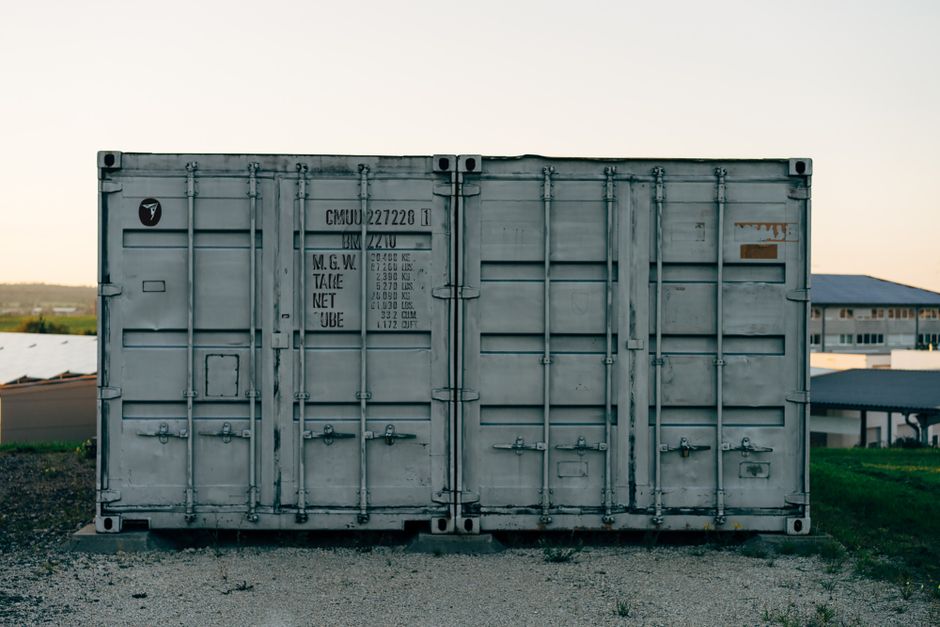
The investigation into the deaths of these two Tunisian teenagers has immediately focused on the trafficking networks responsible for their passage. Italian authorities, upon the discovery of the bodies, initiated immediate forensic examinations and began questioning surviving passengers and crew members. The type of vessel involved, a cargo ship, suggests a sophisticated operation designed to circumvent border controls and detection. Shipping containers, often used to transport goods globally, can also be ingeniously repurposed by smugglers to conceal large numbers of people, effectively turning cargo into human cargo. The psychological and physical toll on individuals confined in such conditions for days, often with limited food, water, and sanitation, is immense. Survivors often suffer from severe dehydration, hypothermia or heatstroke, respiratory problems, and profound psychological trauma. The fact that these two teenagers did not survive points to the extreme conditions within the container and potentially a prolonged duration of their confinement. Law enforcement agencies are working to identify the ship’s captain, crew, and any individuals involved in the loading and coordination of the migrants onto the vessel. The transnational nature of these trafficking rings means that international cooperation will be essential for dismantling these operations, which extend far beyond the shores of Tunisia and Italy, involving individuals and organizations across multiple countries.
The broader socio-economic context within Tunisia is a critical factor driving this desperate migration. Decades of underdevelopment, coupled with recent economic shocks exacerbated by global events like the COVID-19 pandemic and rising inflation, have created a dire situation for a large segment of the population, particularly the youth. High unemployment rates, estimated to be in the double digits for young people, coupled with a lack of prospects and a sense of hopelessness, push individuals towards extreme measures. The perceived lack of effective governance and the erosion of trust in institutions further fuel the desire to leave. For many, the "Carrot and Stick" approach of seeking better opportunities in Europe, despite the considerable risks, becomes the only viable option. This is not simply a desire for luxury but a fundamental need for basic security, economic stability, and the opportunity to build a meaningful future. The stories of those who successfully reach Europe, often exaggerated or selectively shared, create a powerful pull factor, further incentivizing risky departures. However, the reality for many is far from the promised land, with many facing exploitation, precarious living conditions, and continued marginalization even after reaching their destinations.
The role of criminal organizations in facilitating these perilous journeys cannot be overstated. These networks operate with a callous disregard for human life, prioritizing profit above all else. They exploit the vulnerability of migrants, leveraging their desperation and their hopes for a better future. The methods employed by these traffickers are increasingly sophisticated and inhumane. The use of shipping containers, while not entirely new, represents a chilling escalation in the methods of concealment and transportation. These operations are often international in scope, involving a complex web of individuals who manage recruitment, transportation, and the passage through various territories. Intelligence sharing and robust inter-agency cooperation between countries are paramount to disrupting these networks, apprehending those responsible, and bringing them to justice. The seizure of assets belonging to trafficking organizations, coupled with stringent penalties for those involved, can serve as a deterrent. However, the deep-rooted demand for migration, driven by economic disparities and political instability, ensures a continuous supply of vulnerable individuals for these networks to exploit.
The international response to this crisis has often been characterized by a reactive rather than proactive approach. While search and rescue operations are crucial in saving lives at sea, they do not address the root causes of migration. A more comprehensive strategy is needed, one that encompasses robust development aid to countries of origin, the creation of legal pathways for migration, and increased efforts to combat human trafficking. Investing in education, job creation, and good governance in countries like Tunisia can help to reduce the desperation that drives so many to embark on these perilous journeys. Furthermore, international cooperation is essential to establish effective border management systems that do not criminalize migrants but rather provide them with safe and legal channels to seek asylum or employment. The deaths of these two Tunisian teenagers are a tragic call to action, a stark reminder that the current approach is failing. The international community must move beyond symbolic gestures and implement concrete policies that address the underlying issues of poverty, inequality, and political instability that fuel irregular migration and empower criminal trafficking networks. The future of countless young lives depends on it.
The immediate aftermath of such a tragedy involves the identification and repatriation of the deceased. This process can be fraught with difficulties, including the challenges of verifying identities and the bureaucratic hurdles involved in returning bodies to their home countries. The families of the victims are left to grapple with unimaginable grief and the painful realization that their loved ones have been lost to the unforgiving realities of migration. Humanitarian organizations often play a vital role in providing support to these families, offering counseling and assistance with the repatriation process. However, the sheer scale of such tragedies can overwhelm the resources of these organizations, underscoring the need for greater governmental and international support. The stories of these two teenagers, though tragic, must not be forgotten. They represent a generation of young people caught in a cycle of desperation, their dreams extinguished in the dark, suffocating confines of a shipping container. Their deaths should serve as a catalyst for meaningful change, prompting a re-evaluation of current policies and a renewed commitment to creating a world where such desperate journeys are no longer the only perceived option for a better life.
