
From Prison To Performing A French Ex Gangster Tells All
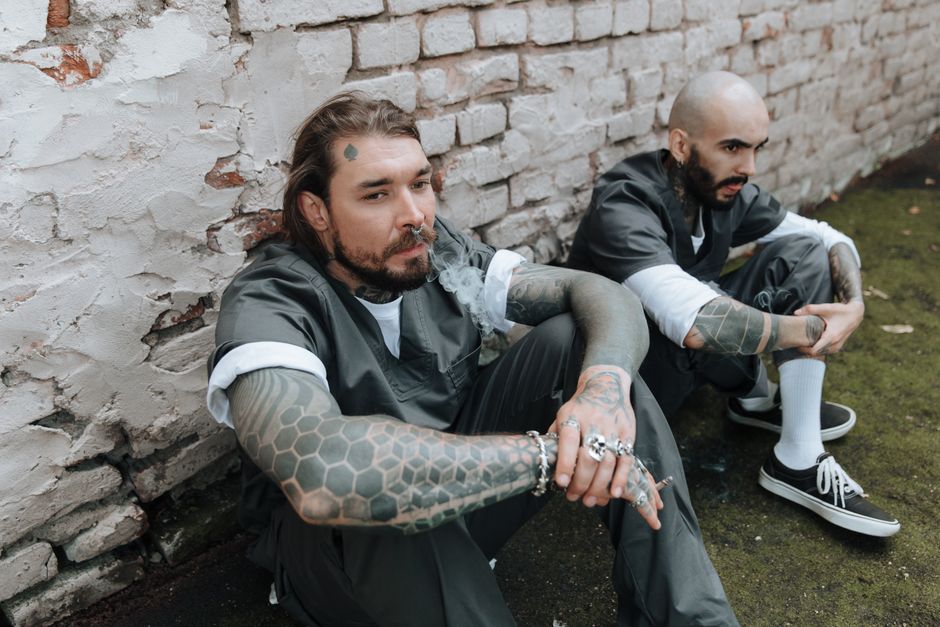
From Prison Walls to Parisian Stages: A French Ex-Gangster’s Unvarnished Confession
The steel door slammed shut, a final punctuation mark on a life of illicit thrills and perilous pursuits. For years, the stark concrete of a French prison cell was my world, a stark contrast to the glittering, dangerous underworld I once navigated. Now, on dimly lit stages across Paris, I share my story, a raw, unfiltered account of survival, regret, and the unexpected redemption found in performance. This is not a tale of glorification; it is a testament to the corrosive nature of crime and the arduous, often painful, journey of shedding a past that clings like a shadow.
My early life was a tapestry woven with threads of desperation and a hunger for something more than the suffocating poverty I knew. Growing up in the banlieues of Paris, opportunities were scarce, and the allure of quick money and the camaraderie of the street proved a potent intoxicant. We were young, fearless, and convinced of our own invincibility. The petty thefts escalated, evolving into more ambitious heists. The rush of adrenaline, the feeling of control, the disdain for authority – these were the drugs that fueled my ascent within the criminal fraternity. It was a world of calculated risks, unspoken codes, and a constant undercurrent of violence. Loyalty was paramount, but betrayal was an ever-present threat, a poisoned chalice that could shatter lives in an instant.
The French justice system, while often perceived as lenient by some, is a formidable adversary when its patience wears thin. My eventual incarceration was not a surprise, but a grim inevitability. The initial shock of confinement was profound. The cacophony of the prison yard, the sterile uniformity of the cells, the gnawing boredom – it was a brutal awakening. The outside world, once a playground of possibilities, became a distant, tantalizing memory. In those early days, despair was a constant companion. The weight of my choices pressed down, crushing my spirit. I witnessed firsthand the devastating impact of crime, not just on victims, but on the perpetrators themselves, trapped in a cycle of violence and incarceration. The hardened criminals, the broken men, the lost souls – their stories echoed my own fears.
However, within the confines of prison, where time stretches and introspection becomes an unwelcome but necessary guest, a transformation began. It was not a sudden epiphany, but a slow, arduous chipping away at the hardened shell of my former self. I started to observe, to listen. The stories of other inmates, their regrets, their attempts at reform, resonated deeply. I began to see the futility of the path I had chosen. The wealth and notoriety were fleeting, the consequences permanent. The damage inflicted, both to others and to myself, was immeasurable. This realization was a painful one, a cathartic unburdening that allowed for the first glimmers of hope.
It was during this period of intense self-reflection that I discovered the power of stories. I began writing, initially as a way to process my thoughts, to document the events that had led me to this bleak reality. The act of putting pen to paper, of articulating my experiences, became a form of therapy. It allowed me to confront the demons of my past, to dissect the motivations behind my actions, and to begin to understand the person I had become. I wrote about the thrill of the chase, the camaraderie of the crew, the fear of capture, and the crushing weight of regret. I wrote about the victims, the collateral damage of my criminal enterprises, a debt I could never truly repay.
Upon my release, the world felt alien. The years of confinement had created a chasm between me and the society I once knew. Reintegrating was a formidable challenge. The stigma of a criminal record loomed large, a constant barrier to employment and acceptance. The temptation to slip back into old habits, to seek solace in the familiar, was ever-present. Yet, the hunger to build a new life, to prove that redemption was possible, was stronger. I carried the weight of my past, but I also carried the lessons learned within those prison walls.
The transition from a life of crime to a life of performance was an unexpected, almost surreal, turn of events. I began sharing my stories, initially in informal settings, with friends and acquaintances who were curious about my past. The raw honesty and unflinching candor of my narratives seemed to strike a chord. People were drawn to the authenticity, the lack of embellishment, the sheer human drama of it all. It was a far cry from the carefully constructed lies and calculated deceptions of my former life.
Slowly, tentatively, I began to explore the possibility of performing my stories professionally. The idea seemed audacious, even absurd, at first. Who would want to listen to the confessions of an ex-gangster? But the response was overwhelmingly positive. I found a niche, a way to channel the energy and intensity that once defined my criminal endeavors into something constructive, something that could resonate with an audience. My performances are not about glorifying violence or celebrating criminality. Instead, they are about offering a stark, unvarnished glimpse into a world that exists, often hidden in plain sight. I aim to provide a cautionary tale, a window into the destructive spiral of crime and the arduous, often painful, process of seeking a different path.
The stages I now inhabit are a far cry from the dimly lit back alleys and clandestine meetings of my past. The spotlight, while intense, is a welcome alternative to the shadows. The applause, however humbling, is a stark contrast to the fear and apprehension that once dictated my every move. In each performance, I strip away the layers of regret and remorse, revealing the raw humanity that lies beneath. I speak of the allure of the forbidden, the illusion of power, and the devastating cost of unchecked ambition. I recount the moments of fear, the close calls, and the crushing weight of consequences.
My performances are meticulously crafted. I don’t rely on theatrics or sensationalism. The power of my stories lies in their truth. I describe the sensory details of my past life – the metallic tang of fear, the intoxicating scent of rebellion, the suffocating embrace of confinement. I explore the psychological landscape of a criminal mind, the warped justifications, the fleeting moments of doubt, and the eventual dawning of a new perspective. The audience, I believe, connects with the vulnerability, the self-awareness, and the undeniable humanity that I bring to the stage.
The journey from prison to performance has been a testament to the resilience of the human spirit. It has taught me that even in the darkest of circumstances, change is possible. It has shown me that true strength lies not in domination or deception, but in honesty and accountability. While the scars of my past will always remain, they are now etched not as symbols of shame, but as reminders of a life reclaimed, a voice found, and a chance at redemption seized. The stages of Paris have become my confessional, my therapy, and my unexpected sanctuary, allowing me to shed the shackles of my former life and embrace a future built on truth and the power of the spoken word. The performance is not merely an act; it is a continuous process of confronting my past and forging a new identity, one story at a time.