Bob Odenkirk Reflects on Near-Fatal Heart Attack and the Role of Family in His Recovery Process

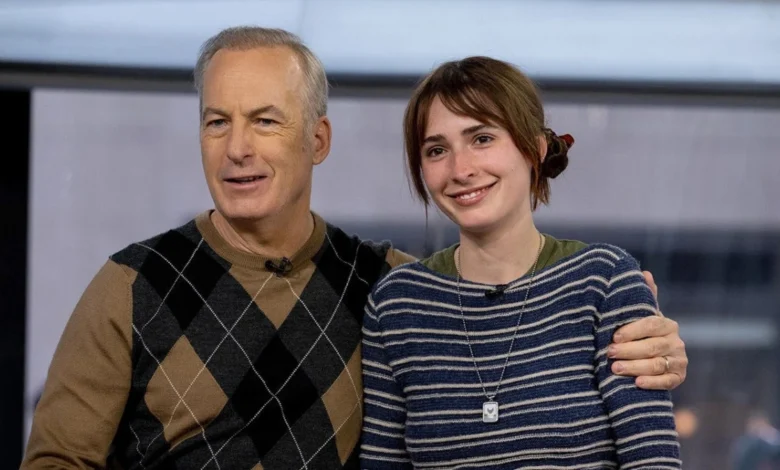
Actor Bob Odenkirk has provided a poignant and detailed account of the medical emergency that nearly claimed his life in July 2021, revealing how his family, particularly his daughter, played a pivotal role in his cognitive recovery following a week-long period of total memory loss. Speaking on the "Inside of You" podcast with host Michael Rosenbaum, the "Better Call Saul" star revisited the harrowing circumstances of his on-set heart attack, the psychological toll of the aftermath, and the profound shift in his perspective regarding mortality and the value of time.
The incident occurred in Albuquerque, New Mexico, during the production of the sixth and final season of the critically acclaimed AMC series "Better Call Saul." Odenkirk, who portrayed the titular character Saul Goodman/Jimmy McGill, collapsed while filming a scene, sparking a frantic emergency response that was complicated by the unique challenges of the era’s filming environment.
The New Mexico Incident: A Set Under Stress
On July 27, 2021, the production of "Better Call Saul" was operating under the stringent health and safety guidelines necessitated by the COVID-19 pandemic. Odenkirk explained that these protocols inadvertently increased the danger of his medical crisis. Because of social distancing and "pod" requirements, cast and crew members were often physically separated when not actively filming. Odenkirk noted that he was "far away" from the primary hub of activity during a break, situated across the floor of a cavernous studio.
"All the people who would hear someone screaming were across the floor of a giant studio," Odenkirk told Rosenbaum. The actor had been heading toward an exercise bike when he realized something was catastrophically wrong. He managed to tell his co-star Rhea Seehorn, "I don’t feel so good," before his complexion turned gray and he collapsed.
The initial reaction from others on set was one of confusion rather than immediate alarm. Odenkirk recounted that onlookers initially believed his castmates, Rhea Seehorn and Patrick Fabian, were laughing or engaged in a lighthearted moment. It quickly became clear, however, that Odenkirk was in the throes of a life-threatening cardiac event.
The Medical Emergency and Immediate Intervention
Medical reports following the incident confirmed that Odenkirk suffered what is often referred to in clinical terms as a "widow-maker" heart attack, caused by a total blockage of the left anterior descending (LAD) artery. The intervention of on-set health safety supervisor Rosa Estrada and the use of an automated external defibrillator (AED) were credited with saving his life. It reportedly took three shocks from the AED to restore a regular heart rhythm.
Odenkirk was rushed to a local hospital in Albuquerque, where he underwent an emergency procedure to clear the blockage and have stents implanted. While the physical surgery was a success, the neurological impact of the event was significant. The actor suffered from a profound lack of oxygen to the brain during the collapse, leading to a state of temporary amnesia that lasted for several days.
The "Lost Week": Cognitive Impact and Memory Recovery
One of the most striking revelations from Odenkirk’s recent interview was the depth of his memory loss. For an entire week following the surgery, the actor had no functional short-term memory. He remained in a state of constant confusion, unable to retain information about where he was or why he was hospitalized.
"My family was with me the next day when I went into surgery and every day in the hospital after, but I have no memory of anything until a week later," Odenkirk said. This condition led to a repetitive cycle where Odenkirk would ask the same questions every few minutes: "Where are we? Why are you guys at the hospital?"
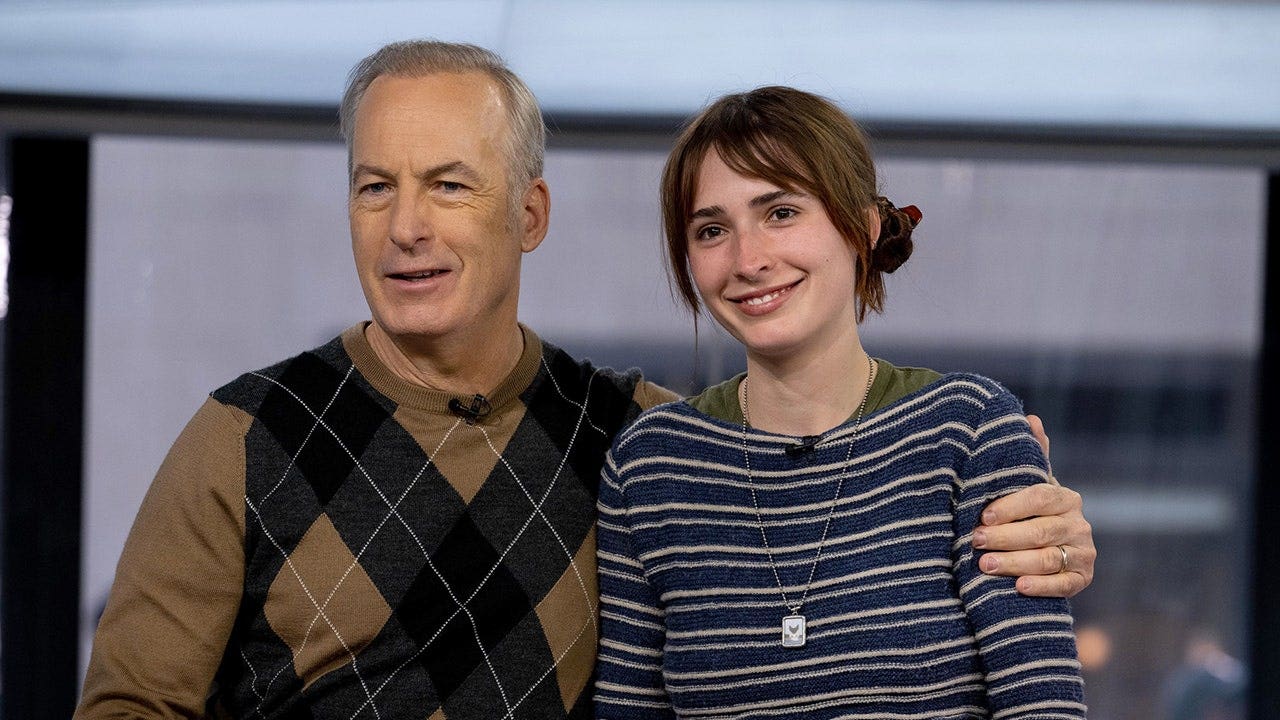
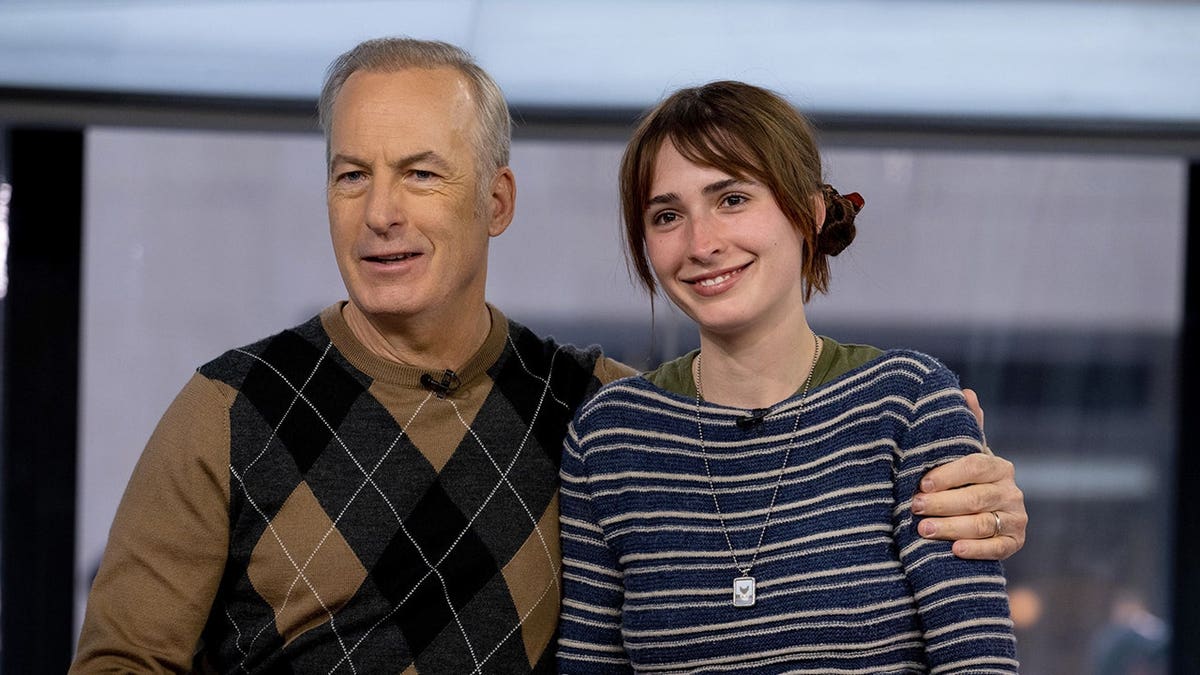
To mitigate this distress and provide a sense of continuity, his daughter, Erin Odenkirk, devised a practical solution. She created a dry-erase board that served as a daily chronological anchor. The board detailed the facts of the heart attack, the timeline of his hospitalization, a list of visitors, and the current date. This visual aid allowed Odenkirk to "re-learn" his situation every time he woke up or lost his train of thought, providing a vital bridge back to reality during his cognitive fog.
Documenting the Recovery: A Glimpse into the Brain’s Resilience
Odenkirk shared that the confusion of that week was captured on film by his wife, Naomi Odenkirk. This footage is expected to be included in an upcoming documentary titled "Bob & David Climb Machu Picchu," which chronicles his long-standing friendship and professional partnership with comedian David Cross.
In one particularly telling video from the hospital, Odenkirk’s children ask him if he understands why he is in the hospital. Odenkirk, whose brain was attempting to fill the gaps in his memory—a psychological phenomenon known as confabulation—responded, "Because I heard you guys are here." When asked how he arrived at the hospital, he confidently replied, "I drove here."
Reflecting on these moments, Odenkirk remarked on the brain’s instinctual drive to create a narrative that makes sense of a chaotic situation. "It’s crazy what your brain does… your brain makes up a story about what is going on that suits you," he noted.
Mortality and the Shift in Perspective
The brush with death has left a lasting imprint on Odenkirk’s worldview. At 63 years old, he spoke candidly about the realization that time is a finite resource. He noted that his father passed away at the age of 56, a milestone he has already surpassed, which adds a layer of personal reflection to his recovery.
Odenkirk admitted that before the heart attack, he often operated under the subconscious illusion of immortality, planning projects decades into the future. "Hey man, you are not making any movies in 30 years. You’re not making them in 10 years. You’re going to be cooked and done," he said, describing his internal dialogue.
This realization has prompted a shift from a purely work-centric life to one focused on "dimension." While he maintains a deep passion for his craft, Odenkirk emphasized the importance of self-awareness and the quality of one’s personal life. He described the "wonderful feeling" of coming out of the crisis and recognizing the beauty of the world and the strength of his support system.
Broader Implications for the Entertainment Industry
Odenkirk’s experience highlights several critical issues within the television and film industry, particularly concerning the health and safety of performers.
- On-Set Medical Preparedness: The presence of trained medical professionals and functioning AEDs on sets is often the difference between life and death. Odenkirk’s survival has been widely cited as a testament to the necessity of these resources, especially on high-pressure, long-duration shoots.
- The Impact of COVID-19 Protocols: While designed to prevent the spread of a virus, the isolation required by pandemic-era protocols created new risks for other medical emergencies. Odenkirk’s story serves as a case study in the need for balanced safety measures that account for various types of crises.
- The Aging Workforce: With many leading actors continuing to work well into their 60s and 70s, the industry faces increasing pressure to monitor the well-being of its veteran stars. Odenkirk’s return to "Better Call Saul" just weeks after his heart attack to finish the series also sparked discussions about the intense work ethic expected in Hollywood.
Conclusion and Future Outlook
Bob Odenkirk’s recovery is regarded as a remarkable success story. Not only did he return to complete his iconic role as Saul Goodman—earning further award nominations for his performance—but he has also become a vocal advocate for heart health awareness.
By sharing the intimate details of his memory loss and the creative way his family assisted in his healing, Odenkirk has demystified the recovery process for major cardiac events. His story underscores the importance of a strong support network and the resilience of the human spirit. As he moves forward with new projects, including his documentary and future acting roles, Odenkirk carries with him a renewed sense of purpose, grounded in the reality of his "limited time" and a commitment to making the most of it.
His reflections serve as a reminder to the public and his peers alike: while professional achievements are significant, the "dimension" of one’s life—the connections with family and the awareness of the present moment—is the ultimate measure of a life well-lived.
Related posts: