Steven Durland Influential Editor of High Performance and Champion of Performance Art Dies at 75

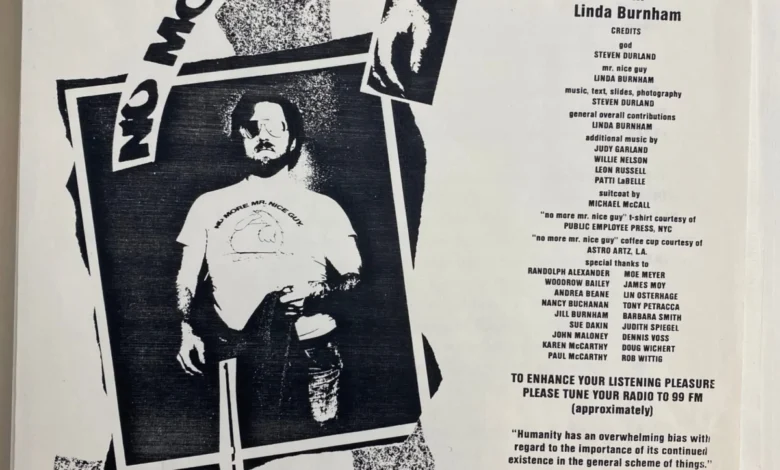
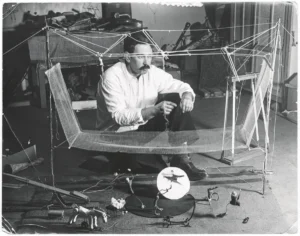
Steven Durland, a seminal figure in the American performance art movement and a tireless advocate for community-based creative practice, died on March 11 at the age of 75. His death, which followed a brief illness, was confirmed by his longtime partner and collaborator, Linda Frye Burnham. Durland passed away in Saxapahaw, North Carolina, the rural community where he had lived and worked for the past three decades. As an artist, writer, editor, and cultural organizer, Durland’s influence stretched from the avant-garde lofts of Los Angeles to the grassroots art scenes of the American South, leaving an indelible mark on how ephemeral and socially engaged art is documented and understood.
Early Life and the Development of a Generalist Practice
Born in 1951 in Long Beach, California, Durland spent much of his formative years in South Dakota. This midwestern upbringing would later inform his belief that art should not be confined to urban coastal centers but should thrive in "the areas in between." He pursued a formal education in the arts, earning a Bachelor of Fine Arts from the University of South Dakota before moving east to complete a Master of Fine Arts at the University of Massachusetts Amherst.
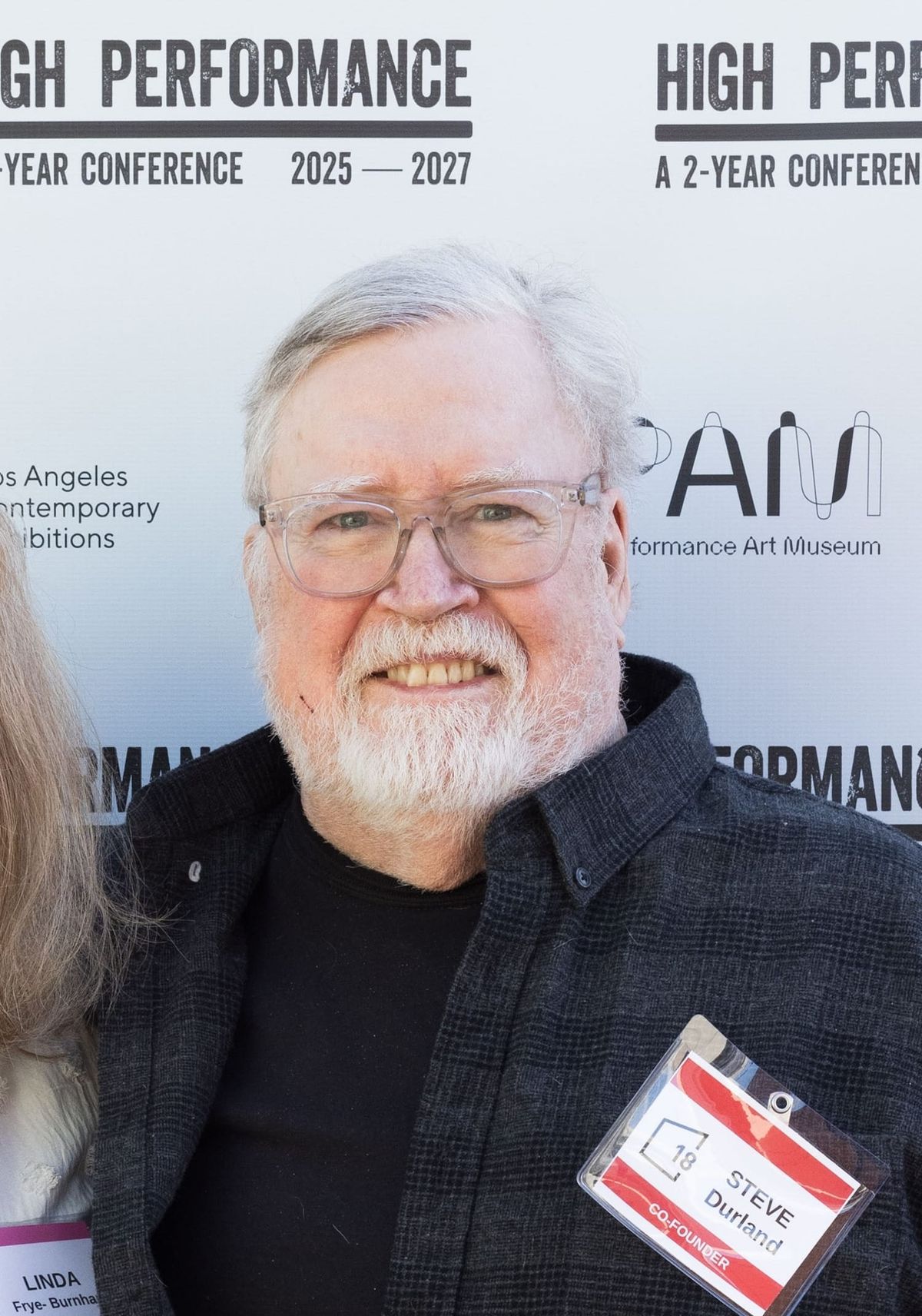
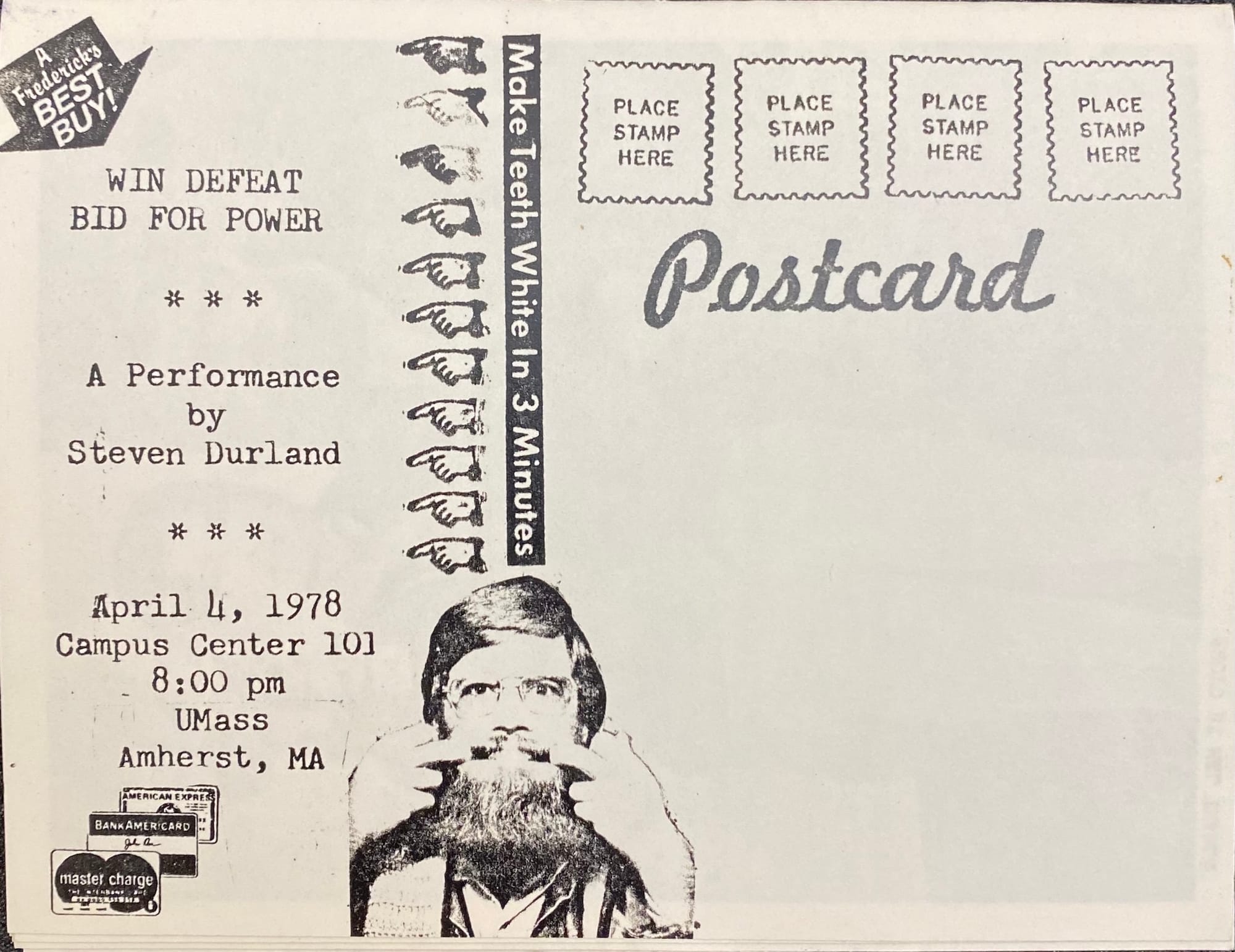
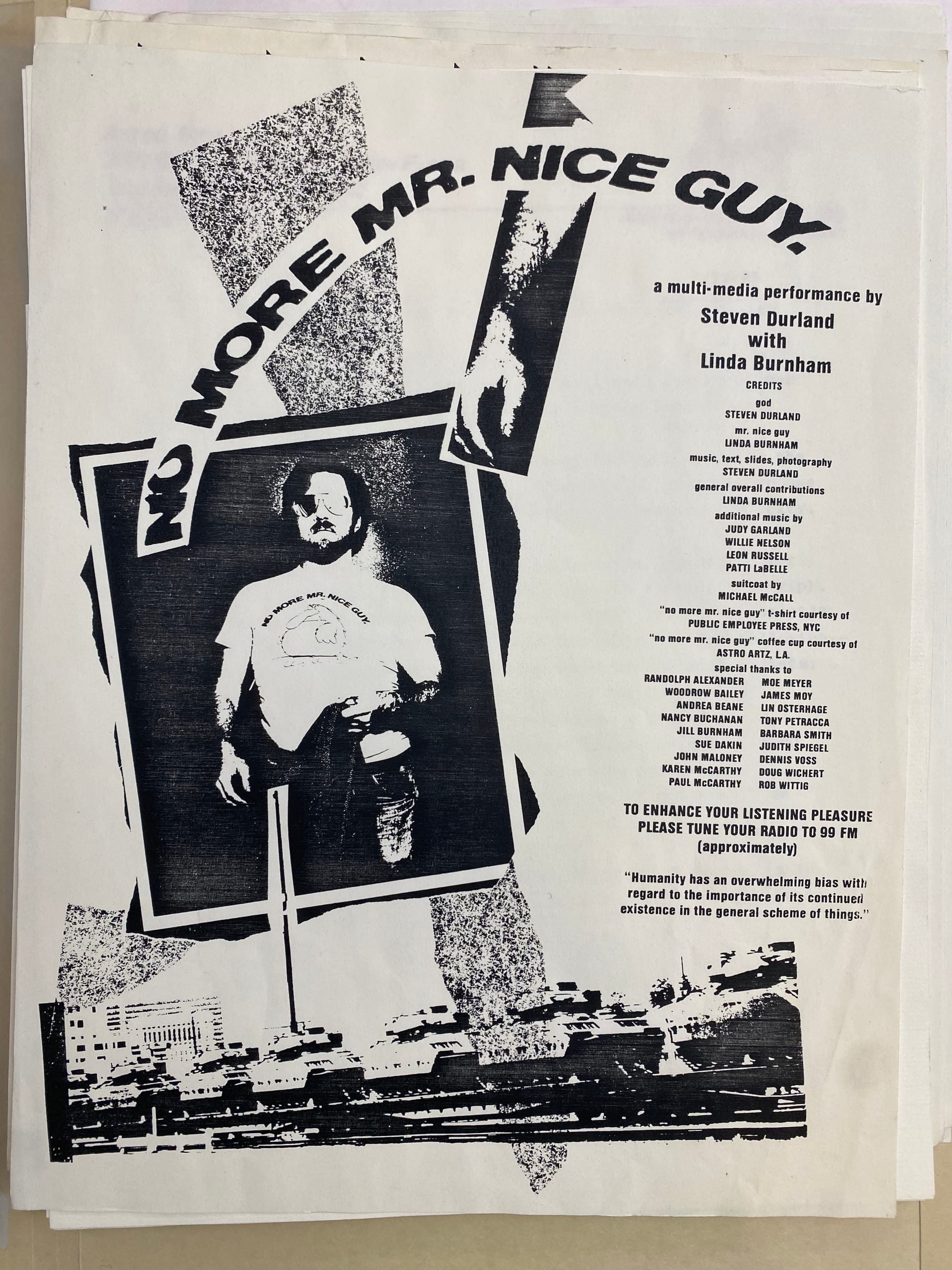
Though trained as a ceramic artist, Durland quickly gravitated toward the burgeoning fields of performance and mail art during the 1970s. These mediums offered a sense of immediacy and democratic accessibility that traditional studio practices lacked. His early work was characterized by a sharp, often absurdist wit. In 1978, he staged "Win Defeat/BID FOR POWER," a performance that utilized dice rolls and art-historical trivia to satirize the competitive nature of the art world.
Durland’s early career coincided with the rise of independent publishing and the "mail art" network—a global community of artists who bypassed traditional galleries by exchanging small-scale works through the postal service. In 1980, he launched Tacit, a "micro-newspaper" printed on the back of postcards. This project allowed Durland to hone his skills as a satirist and typesetter, blending social commentary with a DIY aesthetic that would become a hallmark of his editorial career.
The High Performance Years and the Culture Wars
In 1981, a chance meeting in New York City with Linda Frye Burnham, who had founded High Performance magazine in Los Angeles three years earlier, changed the trajectory of Durland’s life. Burnham was seeking someone with both an understanding of performance art and the technical skills to handle the magazine’s production. Durland, who had mastered early digital phototypesetting (compugraphics) while working in the commercial print sector, was the perfect fit.
Durland moved to Los Angeles in 1983, initially serving as the managing editor of High Performance before taking over as editor in 1986. Under his leadership, the magazine became the definitive journal of record for a medium that was, by its nature, difficult to archive. During his tenure, which lasted until 1994, the publication featured a diverse array of artists who are now considered icons of the form, including Carolee Schneemann, Paul McCarthy, Suzanne Lacy, Nancy Buchanan, and Ulysses Jenkins.
The late 1980s and early 1990s were a period of intense political friction in the American arts, often referred to as the "Culture Wars." As the National Endowment for the Arts (NEA) faced scrutiny and censorship from conservative lawmakers, Durland used High Performance as a platform to defend artistic freedom and to argue for the social utility of art. He resisted the idea that performance art was merely an insular, elitist exercise. Instead, he championed a "generalist" vision—an interdisciplinary approach that connected art to activism, community organizing, and public policy.
Under Durland, High Performance expanded its scope to include thematic issues such as ¡Nuevo Latino!, which highlighted the Chicano and Latino art movements in Los Angeles and beyond. By the time the magazine ceased publication in 1997 after 76 issues, it had documented thousands of performances that might otherwise have been lost to history, providing a vital archive for future generations of scholars and artists.
Institutional Building and Civic Engagement
Durland’s commitment to the arts extended beyond the printed page. He was a central figure in the creation of several enduring Los Angeles art institutions. Alongside Burnham and Susanna Bixby Dakin, he helped transform feminist art studios into the 18th Street Arts Center in Santa Monica, which remains a premier artist residency program. He also supported the founding of Highways Performance Space, a venue that became a crucial sanctuary for LGBTQ+ artists and marginalized voices during the height of the HIV/AIDS epidemic.
In 1993, seeking a different pace of life and a new context for their work, Durland and Burnham relocated to Frog Pond Farm in Saxapahaw, North Carolina. Far from retiring, they founded Art in the Public Interest (API), a nonprofit organization dedicated to community-based art. Through API, they launched the Community Arts Network (CAN), an early and influential online resource that connected artists working in social justice, education, and community development across the globe.
Durland often referred to his role as that of a "facilitator" rather than a "tastemaker." He believed that the arts functioned as a form of infrastructure. "There’s things we could do that nobody else could do," he noted in a 2007 interview. "And if we did them, then the whole system benefited."
Later Work: The Artist as Gardener
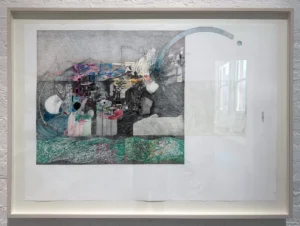
In his later years at Frog Pond Farm, Durland’s personal artistic practice evolved to reflect his rural surroundings. He moved away from the absurdist performances of his youth toward a more meditative, environmental focus. He created large-scale assemblages that combined organic materials—bark, leaves, beeswax, and chicken eggs—with digital printing processes.
In 2015, he and Burnham debuted the "Woodland Banners Poetry Walk," a permanent installation on their property that integrated art into the natural landscape. He also maintained "Bourbon, Dogs & Art," a yurt-based studio and gallery that served as a gathering point for the local creative community.
Durland often cited an interview he conducted in 1986 with the performance duo Marina Abramović and Ulay, who suggested that an artist’s life moves through four stages: warrior, priest, lover, and finally, gardener. Durland embraced this final stage, viewing his work in Saxapahaw as an act of cultivation—nurturing both the land and the community around him.
Legacy and Ongoing Influence
The impact of Steven Durland’s work is currently being celebrated through High Performance: A 2-Year Conference (2025–2027). This multi-institutional collaboration involving the Getty Research Institute, the Performance Art Museum, and 18th Street Arts Center aims to re-examine the magazine’s legacy and its relevance to contemporary social practice.
In January 2026, Highways Performance Space mounted Inflation Gauge, a solo exhibition of Durland’s recent work. The exhibition served as a testament to his lifelong belief that art should remain responsive to the world around it, whether through the lens of national politics or the quiet observation of a falling leaf.
Chronology of a Life in Art
- 1951: Born in Long Beach, California.
- 1970s: Earns BFA at University of South Dakota and MFA at UMass Amherst.
- 1978: Performs "Win Defeat/BID FOR POWER"; first appearance in High Performance.
- 1980: Launches the micro-newspaper Tacit.
- 1983: Moves to Los Angeles to join High Performance magazine.
- 1986: Becomes Editor of High Performance, steering it through the "Culture Wars."
- 1988–1989: Helps establish the 18th Street Arts Center and Highways Performance Space.
- 1993: Relocates to Saxapahaw, North Carolina.
- 1995: Co-founds Art in the Public Interest (API).
- 1998: Co-edits the book The Citizen Artist: 20 Years of Art in the Public Arena.
- 2015: Realizes the "Woodland Banners Poetry Walk."
- 2026: Solo exhibition Inflation Gauge opens in Santa Monica.
- 2026: Dies on March 11 at age 75.
Analysis of Impact
Steven Durland’s career represents a bridge between the radical experimentation of the 1970s and the sophisticated community-based art movements of the 21st century. By providing a journalistic framework for performance art, he helped legitimize a medium that many at the time dismissed as ephemeral or inaccessible. His editorial philosophy—viewing the artist as a "citizen" with a responsibility to the public—anticipated the current "social turn" in contemporary art by decades.
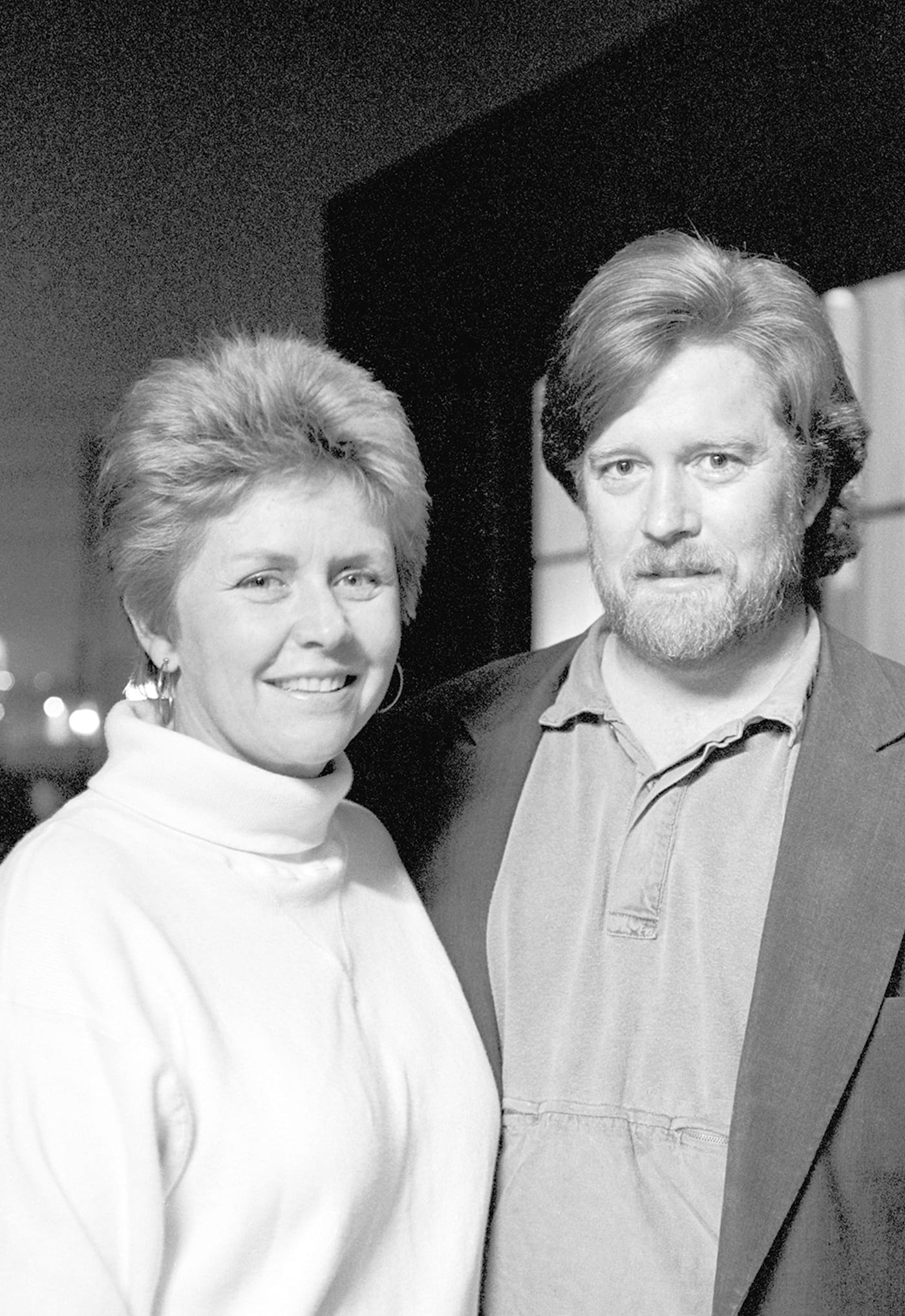
Colleagues and historians have noted that Durland’s greatest gift was his ability to build systems that supported others. Whether through a magazine, a performance space, or a digital network, he created the "infrastructure of care" that allowed thousands of artists to find their voices.
Steven Durland is survived by his partner, Linda Frye Burnham; his stepchildren, Jill, Tony, and Andy Burnham; and four siblings, Nancy Tregaskes, Lori Manske, Patty Bassett, and Tom Durland. His legacy continues through the archives of High Performance and the numerous institutions he helped build, all of which remain dedicated to the idea that art is a vital, necessary component of a healthy civic life.