
Dozens Injured In Massive Fire In Kenyan Capital After Gas Explosion
Dozens Injured in Massive Kenyan Capital Fire Following Devastating Gas Explosion
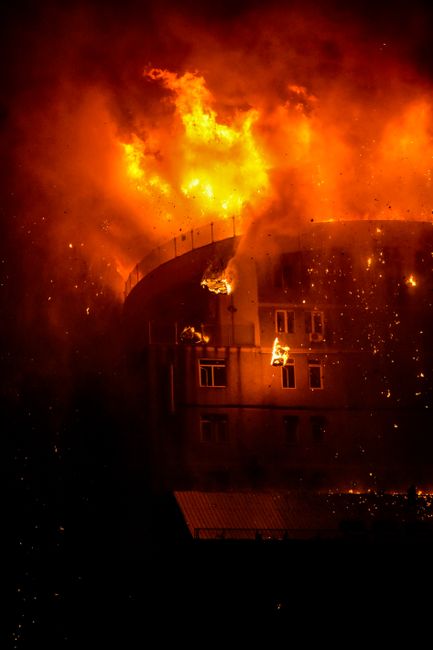
Nairobi, Kenya – A catastrophic explosion, believed to have originated from a gas cylinder, ripped through a densely populated residential and commercial area in the Kenyan capital, Nairobi, late on Thursday night, igniting a massive inferno that injured dozens and caused widespread destruction. The blast, which occurred around 10:30 PM local time in the Embakasi district, sent shockwaves through the city and was followed by flames that rapidly consumed several structures. Emergency services, including fire brigades, police, and medical personnel, were dispatched to the scene, facing a daunting challenge to contain the blaze and provide aid to the injured. Initial reports confirm a significant number of casualties, with the exact toll still being assessed as rescue operations continue.
The epicenter of the explosion appears to have been a depot or storage facility for gas cylinders, located in an area characterized by a mix of residential dwellings, small businesses, and informal settlements. The force of the initial blast was immense, shattering windows in buildings several blocks away and causing structural damage to nearby properties. Witnesses described a deafening roar followed by a blinding flash, with many initially mistaking the sound for an act of terrorism. The ensuing fire quickly escalated, fanned by the night air and fueled by the flammable materials present in the vicinity. The intensity of the flames made it incredibly difficult for firefighters to approach the core of the inferno, leading to a prolonged and arduous battle to bring the situation under control.
The injured, numbering in the dozens, sustained a range of injuries, from severe burns and smoke inhalation to shrapnel wounds and trauma from collapsing structures. They were rushed to various Nairobi hospitals, including Kenyatta National Hospital and Mbagathi District Hospital, where medical staff are working around the clock to provide treatment. The scale of the injuries overwhelmed the immediate medical response, highlighting the need for additional resources and support. Many victims were transported by well-wishers and private vehicles due to the sheer volume of injured individuals. The government has pledged to cover the medical expenses of all those affected, emphasizing the national priority of treating the casualties.
The fire’s rapid spread was exacerbated by the close proximity of buildings and the presence of flammable materials in many of the structures. The area, known for its vibrant economic activity, housed various businesses, including retail shops, workshops, and eateries, many of which were caught in the path of the flames. The inferno not only claimed lives and injured individuals but also resulted in the complete destruction of numerous homes and businesses, leaving hundreds of residents displaced and facing immense hardship. The economic impact on the local community is expected to be substantial, with livelihoods destroyed overnight.
The cause of the explosion is under investigation, but preliminary findings point towards a gas cylinder that either leaked and ignited or exploded due to improper handling or storage. This incident has reignited concerns about the safety regulations surrounding the storage and distribution of liquefied petroleum gas (LPG) in densely populated urban areas. Critics have long warned about lax enforcement of safety standards, with illegal refilling stations and inadequate storage facilities operating with impunity in many parts of Nairobi. The tragedy serves as a stark reminder of the potential for disaster when such volatile substances are not managed with the utmost care and adherence to regulations.
The government has initiated a swift investigation into the incident, promising to hold accountable any individuals or entities found to have violated safety protocols. The National Disaster Management Authority (NDMA) and relevant ministries are coordinating relief efforts, focusing on providing shelter, food, and psychological support to the displaced population. Efforts are also underway to identify the deceased and to facilitate the reunification of families who may have been separated by the disaster. The scale of the destruction necessitates a comprehensive long-term recovery plan for the affected community.
The incident has drawn widespread condemnation and calls for stricter oversight of gas cylinder storage and distribution networks across Kenya. The ease with which gas cylinders are refilled and transported, often in makeshift facilities, has been a recurring concern for public safety advocates. The proximity of such operations to residential areas creates a significant risk, and Thursday night’s inferno tragically demonstrated the devastating consequences of such negligence. Experts are urging the government to conduct a thorough audit of all LPG storage facilities and to enforce existing regulations rigorously.
The aftermath of the fire has seen a surge of solidarity and support from across Kenyan society. Non-governmental organizations, community groups, and individual citizens have mobilized to offer assistance, donating essential supplies and volunteering their time to help those affected. The resilience of the Kenyan spirit is evident in the outpouring of aid, as people come together to support their fellow citizens during this difficult time. However, the scale of the disaster demands sustained and coordinated efforts to ensure the long-term recovery and rebuilding of the affected community.
Looking ahead, the investigation into the Embakasi gas explosion will be critical in determining the specific factors that led to the tragedy. It is imperative that the findings are transparently shared with the public and that concrete steps are taken to prevent similar incidents from occurring in the future. This includes strengthening regulatory frameworks, improving enforcement mechanisms, and raising public awareness about the safe handling and storage of LPG. The loss of life and livelihoods in Embakasi serves as a somber wake-up call for proactive measures to safeguard public safety in urban environments across Kenya. The reconstruction of the affected area will be a monumental task, requiring significant investment and careful planning to ensure a safer and more resilient future for its residents. The long-term implications for public health, economic stability, and community well-being will undoubtedly be significant, underscoring the gravity of this devastating event. The ongoing efforts to account for all individuals and provide comprehensive support to survivors are paramount in the immediate phase of recovery.